The conference will showcase ERC-funded frontier research projects that both study diversity in society and that exemplify the importance of taking diversity into account in research design.
Programme
8.30 – 9.00 | Registration
9.00 – 9.15 | Opening address by European Commissioner for Equality, Helena Dalli
9.15 – 9.25 | Introduction by Maria Leptin, ERC President
9.25 – 10.20 | Keynote: The Female Turn: How Evolutionary Science Shifted Perceptions About Females
- Malin Ah-King, Stockholm University, SE
10.20 – 10.40 | Coffee break
10.40 – 12.10 | Session I: Diversity in Health Research
Moderator
- Geneviève Almouzni, ERC Scientific Council Member, Chair of the Gender & Diversity Issues Working Group
Rapporteur
- Philippe Cupers, Head of Unit Life Sciences, ERCEA
Speakers
- Social inequalities in health: an intersectional approach, Pierre-Yves Geoffard, CNRS, FR
- Molecular insights in “real-life” immunology, Maria Yazdanbakhsh, Leiden University, NL
- Hypertension in African migrants: Lessons learnt from the RODAM study, Charles Agyemang, Amsterdam University Medical Centers, NL
- ECAP: Genetic/epigenetic basis of ethnic differences in cancer predisposition, Gian-Paolo Dotto, University of Lausanne (UNIL) ,CH, Centre Hospitalier Universitaire Vaudois (CHUV), CH, Massachusetts General Hospital and Harvard University, US
12.10 – 13.10 | Lunch
13.10 – 14.40 | Session 2: Diversity from a Technological and Legal Perspective
Moderator
- Tom Henzinger, Member of the ERC Scientific Council
Rapporteur
- Alejandro Martin Hobdey, Head of Unit Physical Sciences and Engineering, ERCEA
Speakers
- Diversity in the Machine Learning Age, Louise Amoore, Durham University, UK
- Improving Decision Making with Machine Learning, Fairly, Manuel Gomez Rodriguez, Max Planck Institute, DE
- Diversity in Body Representation for Neuroprosthetics, Giovanni Di Pino, University of Rome, IT
14.40 – 15.10 | Coffee break
15.10 – 16.40 | Session 3: Perceptions of Diversity
Moderator
- Harriet Bulkeley, Member of the ERC Scientific Council
Rapporteur
- Lino Paula, Head of Unit Social Sciences and Humanities, ERCEA
Speakers
- Tracing Queer Citizenship over Time: older LGBTI+ lived experiences in Southern Europe, Ana Cristina Santos, University of Coimbra, PT
- NEUROEPIGENETHICS: investigating neurodiversity in a neuromixed research group, Kristien Hens, University of Antwerp, BE
- CEC – The Cognitive-Ecological Challenge of Diversity, Hans Alves, University of Bochum, DE
- Coexistence and conflict in the age of complexity, Eeva Puumala, Tampere University, FI
16.40 – 17.45 | Session 4: Roundtable: The Importance of Diversity in Research
Moderator
- Angela Liberatore, Head of Scientific Management Department, ERCEA
Speakers
- Joanna Drake, Deputy Director-General for Research & Innovation, European Commission
- Semiha Denktaş, Erasmus University, Rotterdam, NL
- Emilia Gómez, Joint Research Centre (European Commission) & Pompeu Fabra University, ES
- Gian-Paolo Dotto, University of Lausanne (UNIL), CH, Centre Hospitalier Universitaire Vaudois (CHUV), CH, Massachusetts General Hospital and Harvard University, US
- Ana Cristina Santos, University of Coimbra, PT
17.45 – 18.00 | Concluding remarks
- Geneviève Almouzni, ERC Scientific Council Member, Chair of the Gender & Diversity Issues Working Group
- Laurence Moreau, Director of the ERC Executive Agency
Other information
Frontier Research on Diversity factsheet
Science story: interview with Kristien Hens
Speaker’s bios
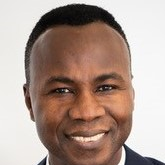
Professor of Global Migration, Ethnicity and Health, Amsterdam University Medical Centres, NL
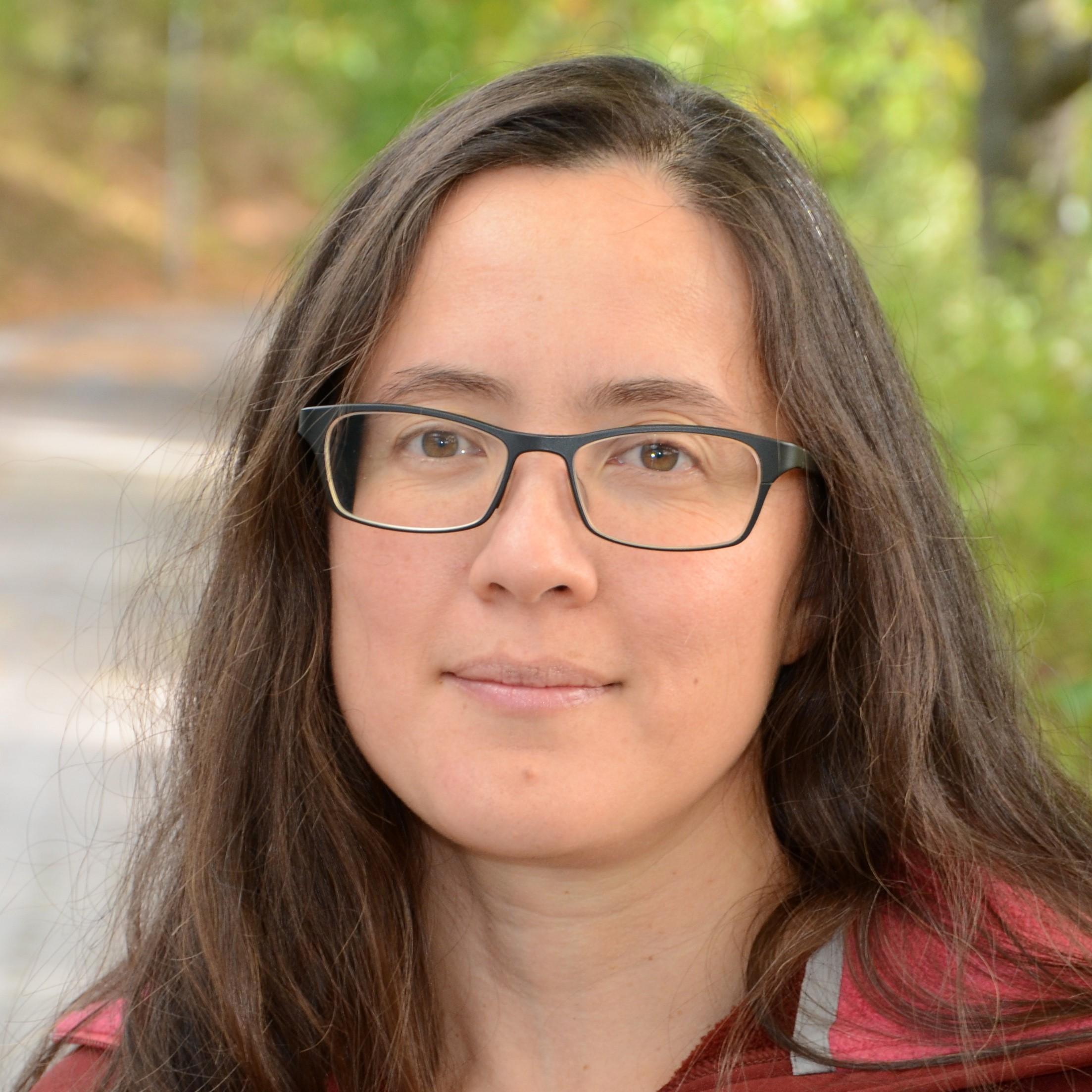
Associate Professor in Gender Studies, Stockholm University, SE
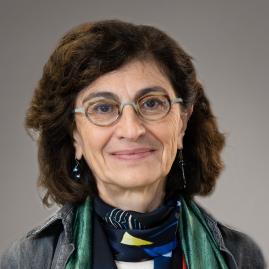
Director of research exceptional class, CNR, FR
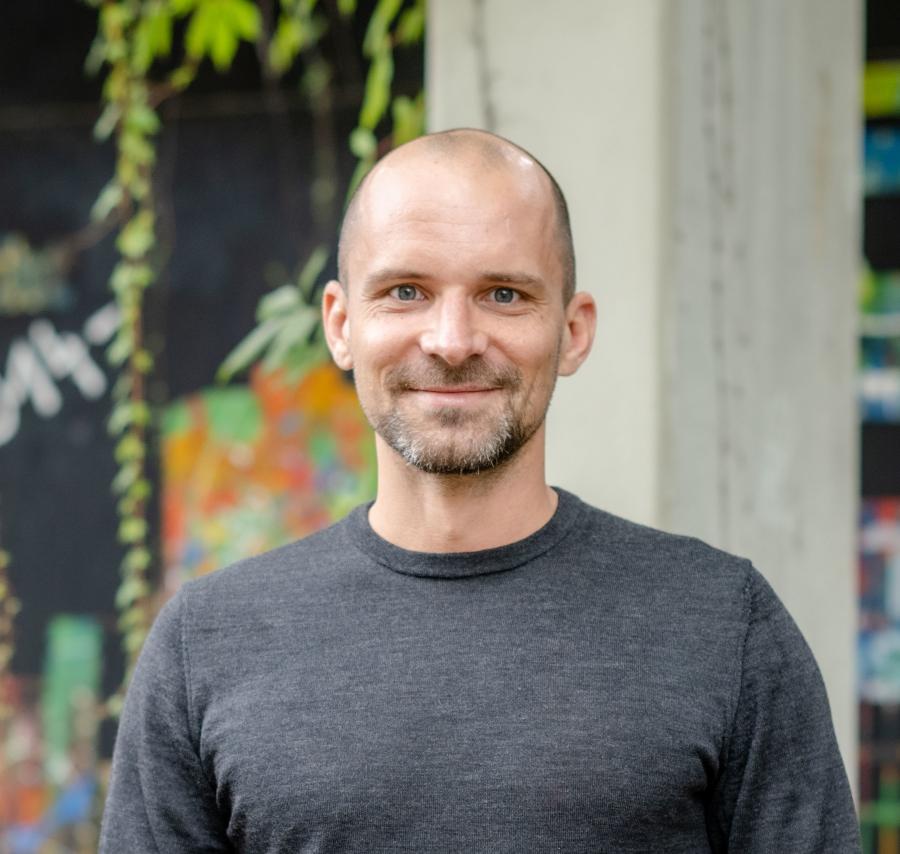
Professor of Social Cognition, Ruhr University Bochum, DE
Professor of Political Geography, Durham University, UK
Full professor, Utrecht University, NL
Head of the Life Sciences Unit, European Research Council Executive Agency
European Commissioner for Equality
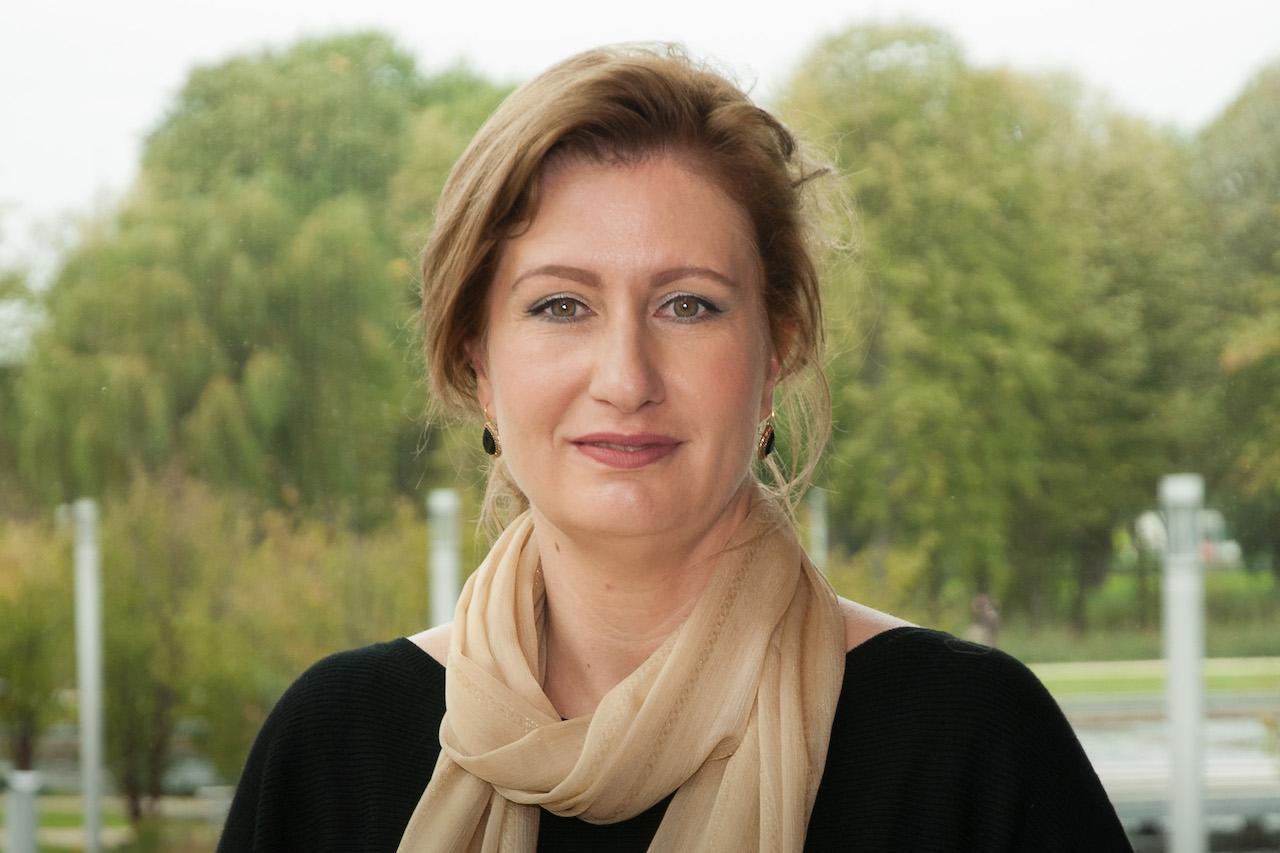
Chief Diversity Officer (CDO) at Erasmus University Rotterdam
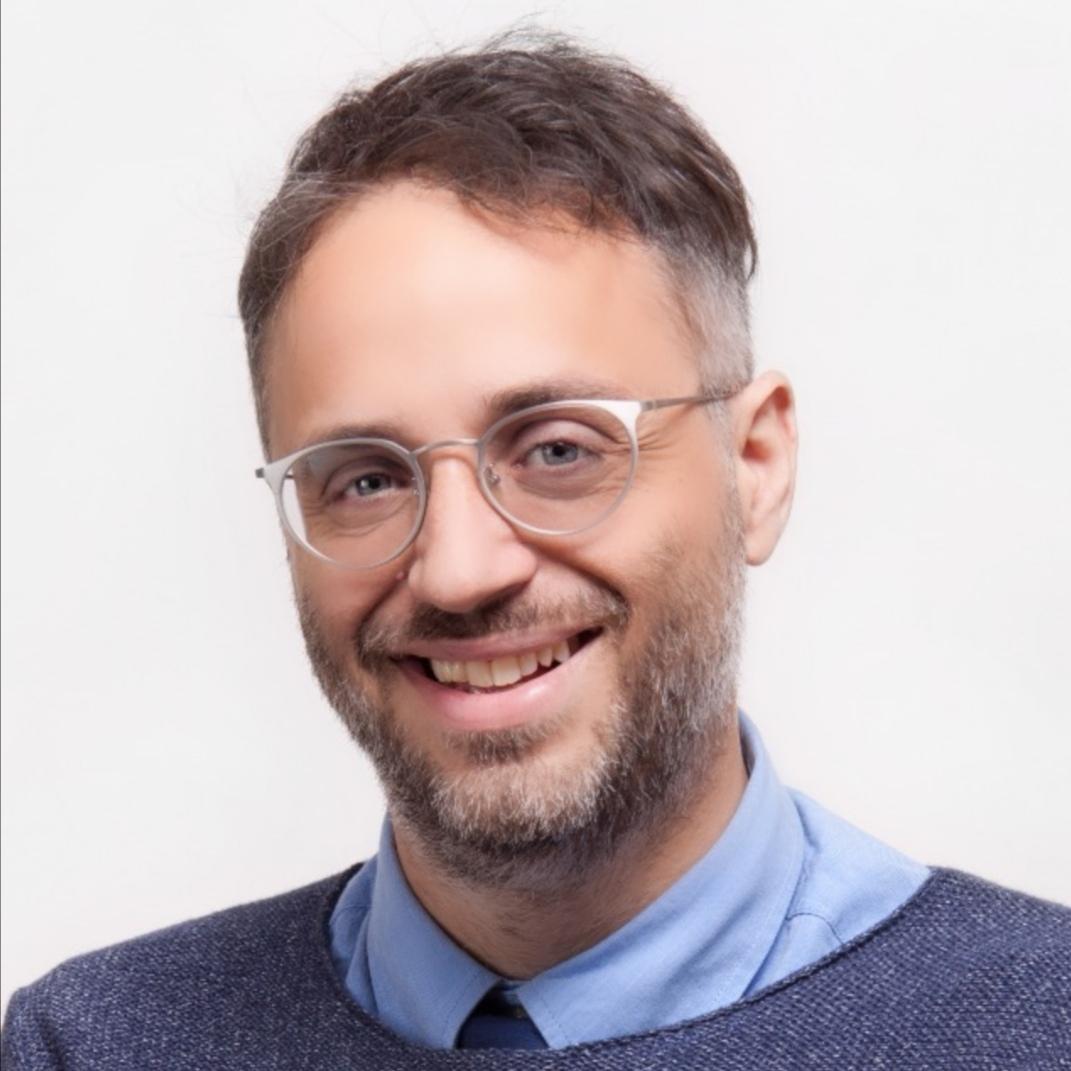
Professor of Human Physiology, Campus Bio-Medico University of Rome, IT
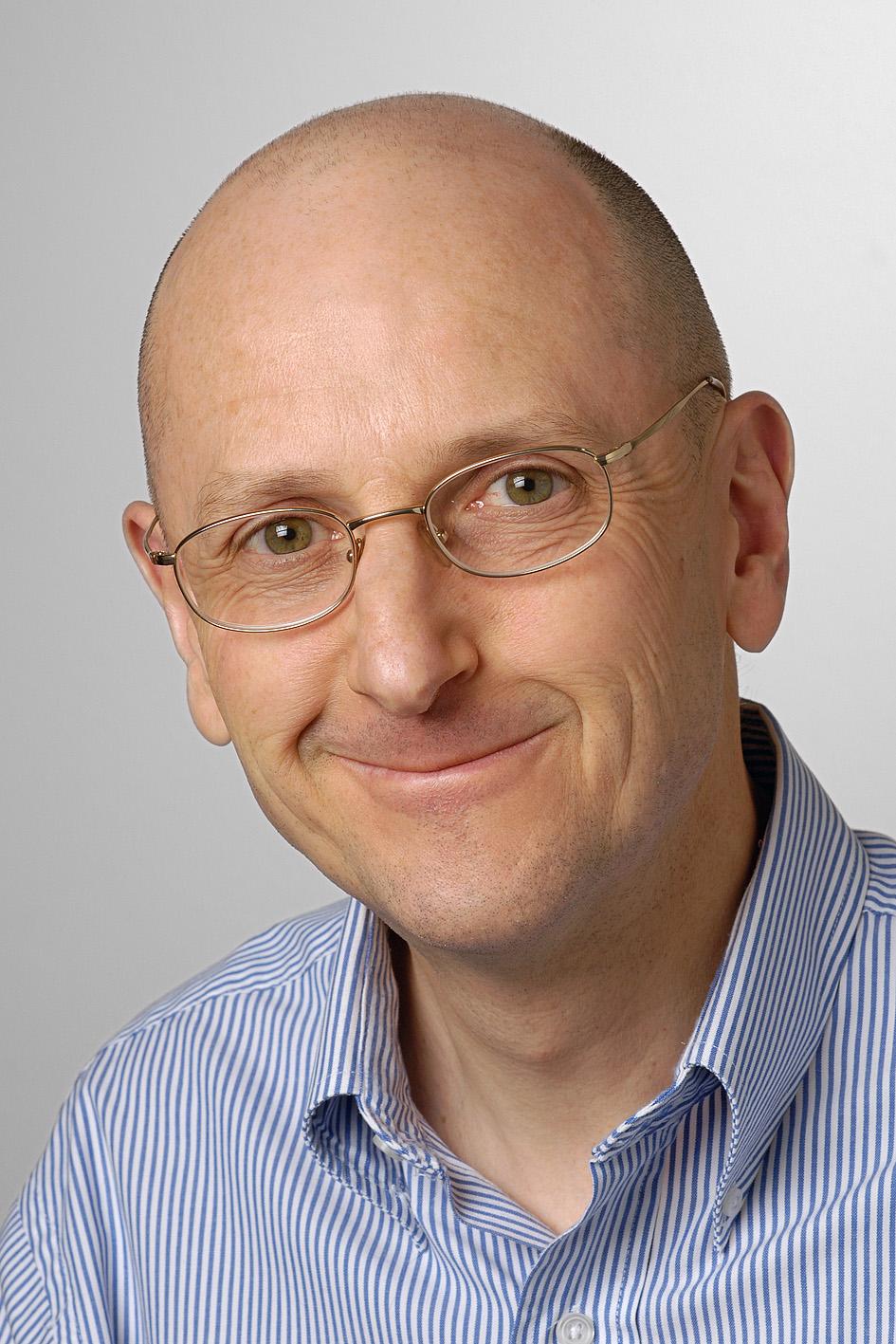
Director of the Laboratory of Skin Aging and Cancer Prevention Dermatology Department, Massachusetts General Hospital and Harvard Medical School, USA
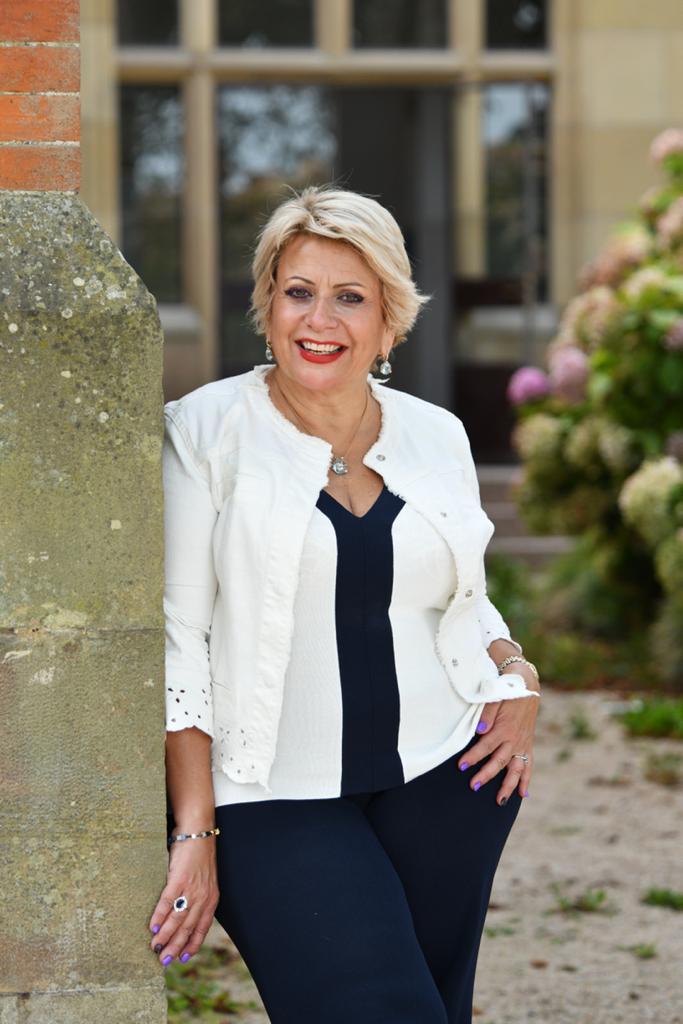
Deputy Director-General of the European Commission’s Directorate-General (DG) for Research and Innovation (DG RTD)
Professor of economics, Paris School of Economics, FR
Researcher, Joint Research Centre (JRC), European Commission
Tenured faculty, Max Planck Institute, DE
Research professor, University of Antwerp, BE
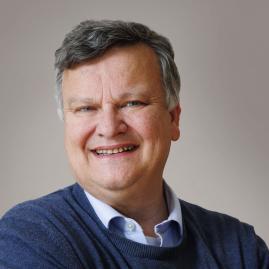
Professor, Institute of Science and Technology Austria (ISTA), AT
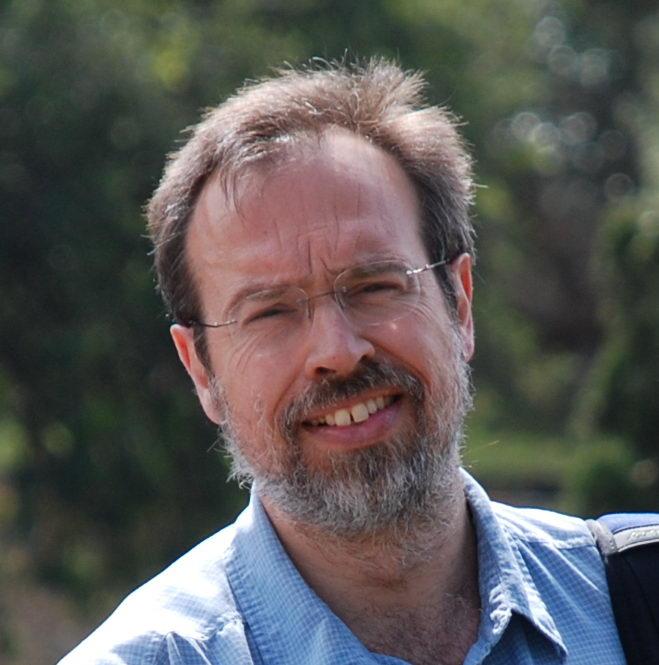
Head of the Physical Sciences and Engineering Unit within the Scientific Department, European Research Council
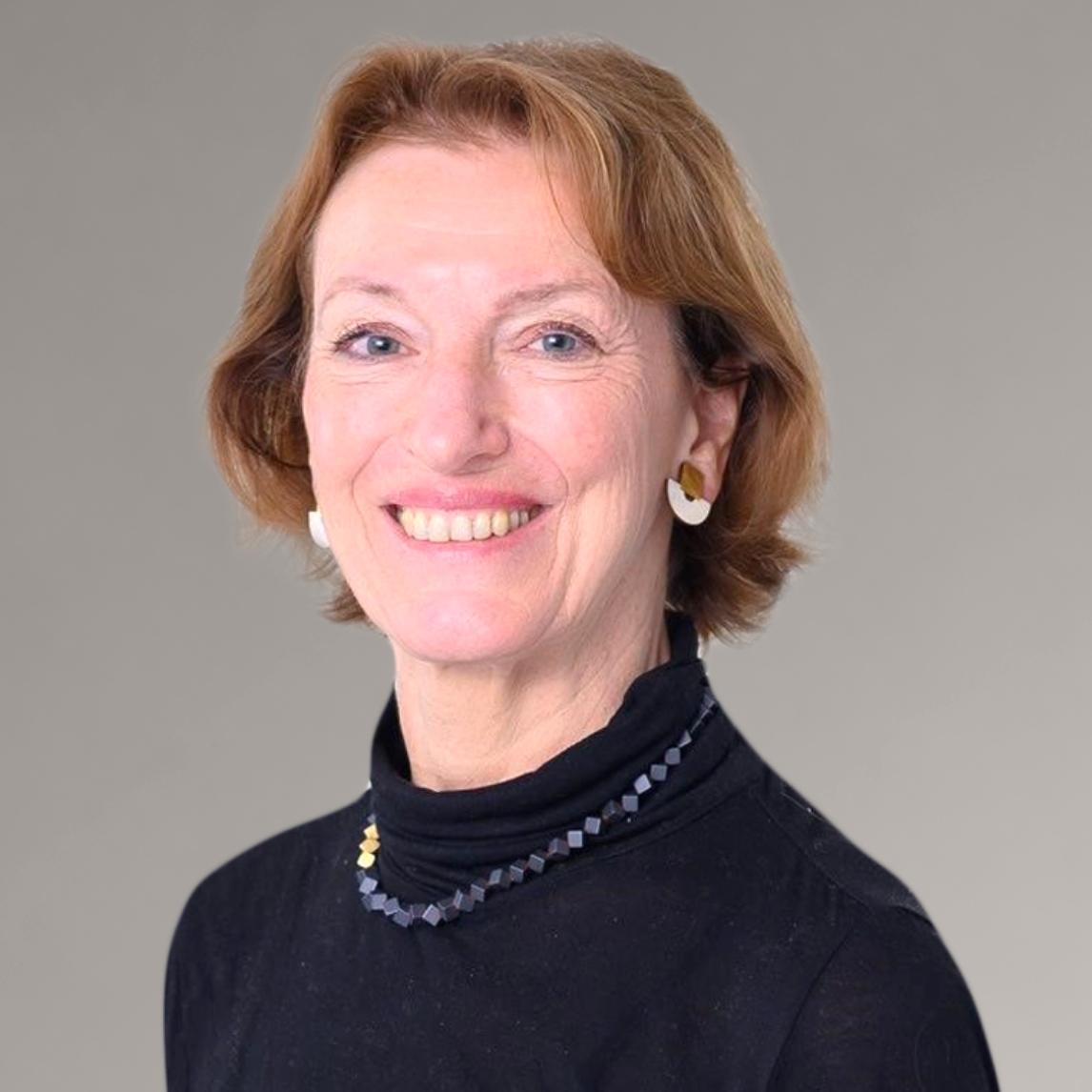
ERC President
Head of the ERC Scientific Department
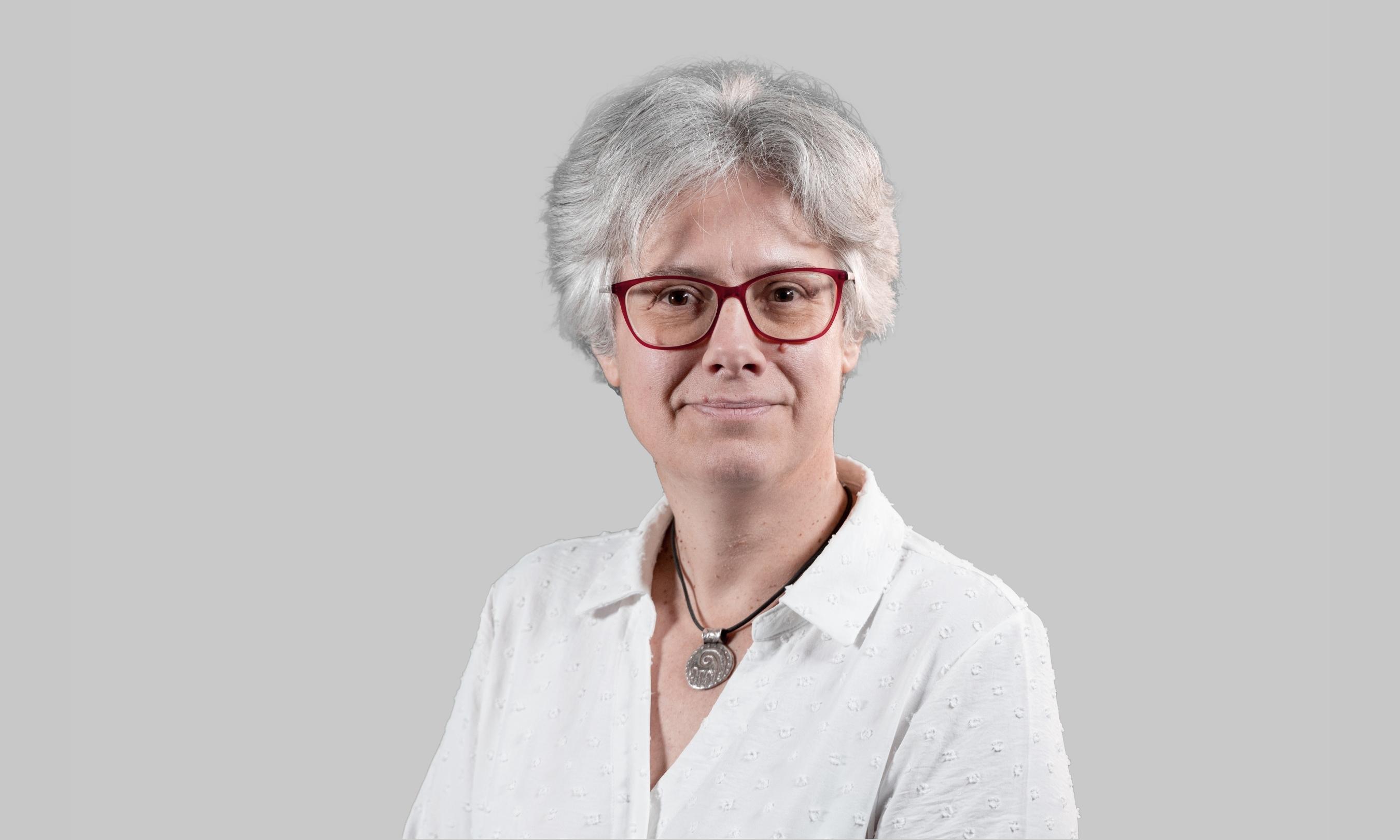
Director of the ERC Executive Agency
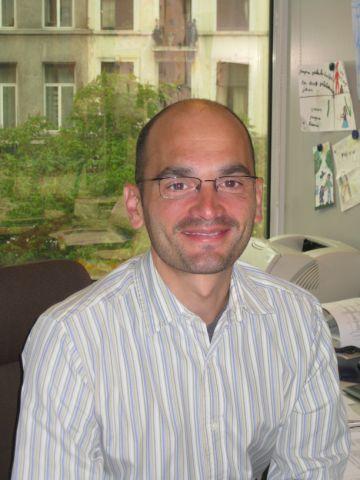
Head of Unit Social Sciences and Humanities at the scientific department of the European Research Council Executive Agency (ERCEA)
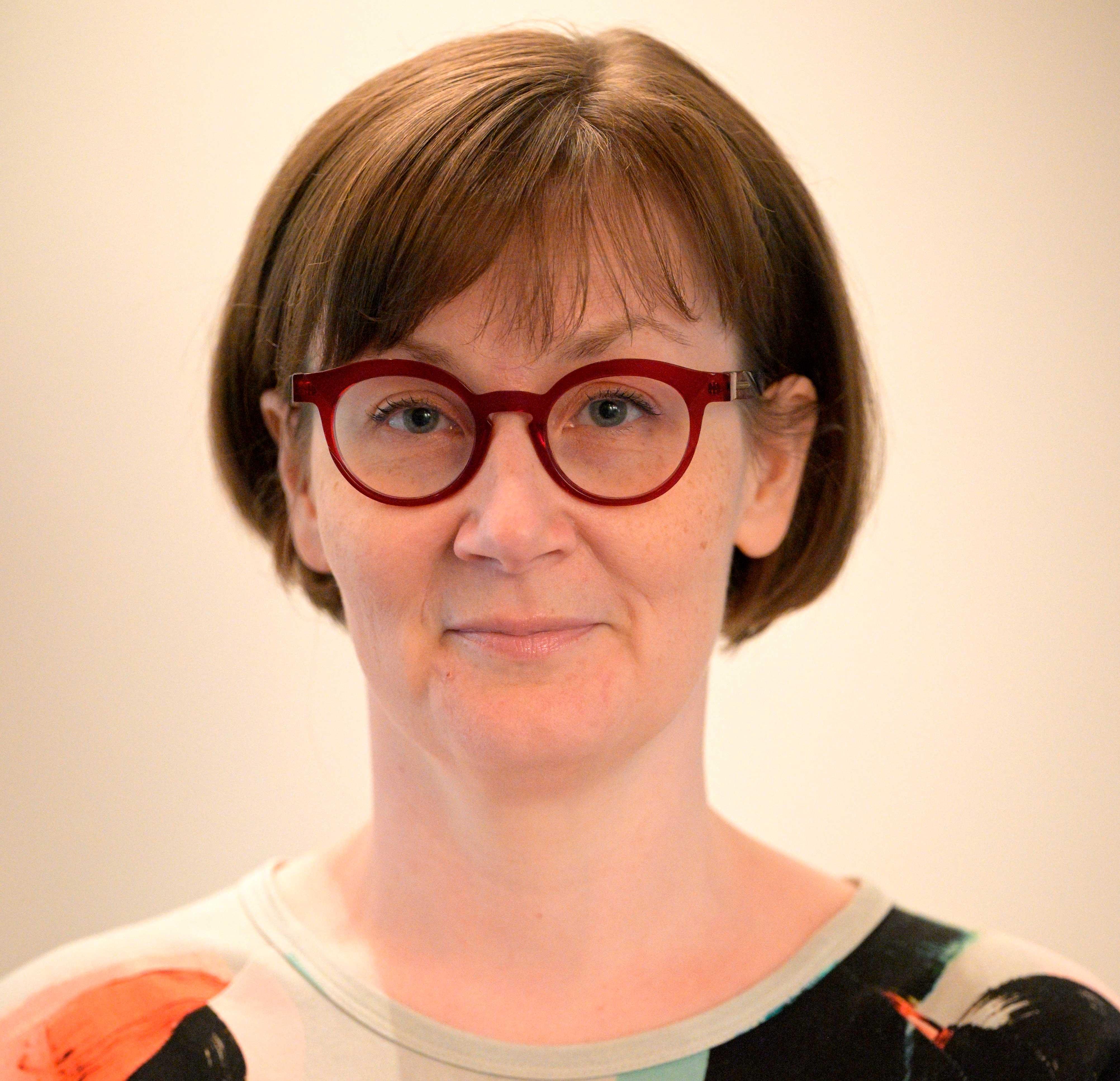
Senior research fellow, Tampere University, FI
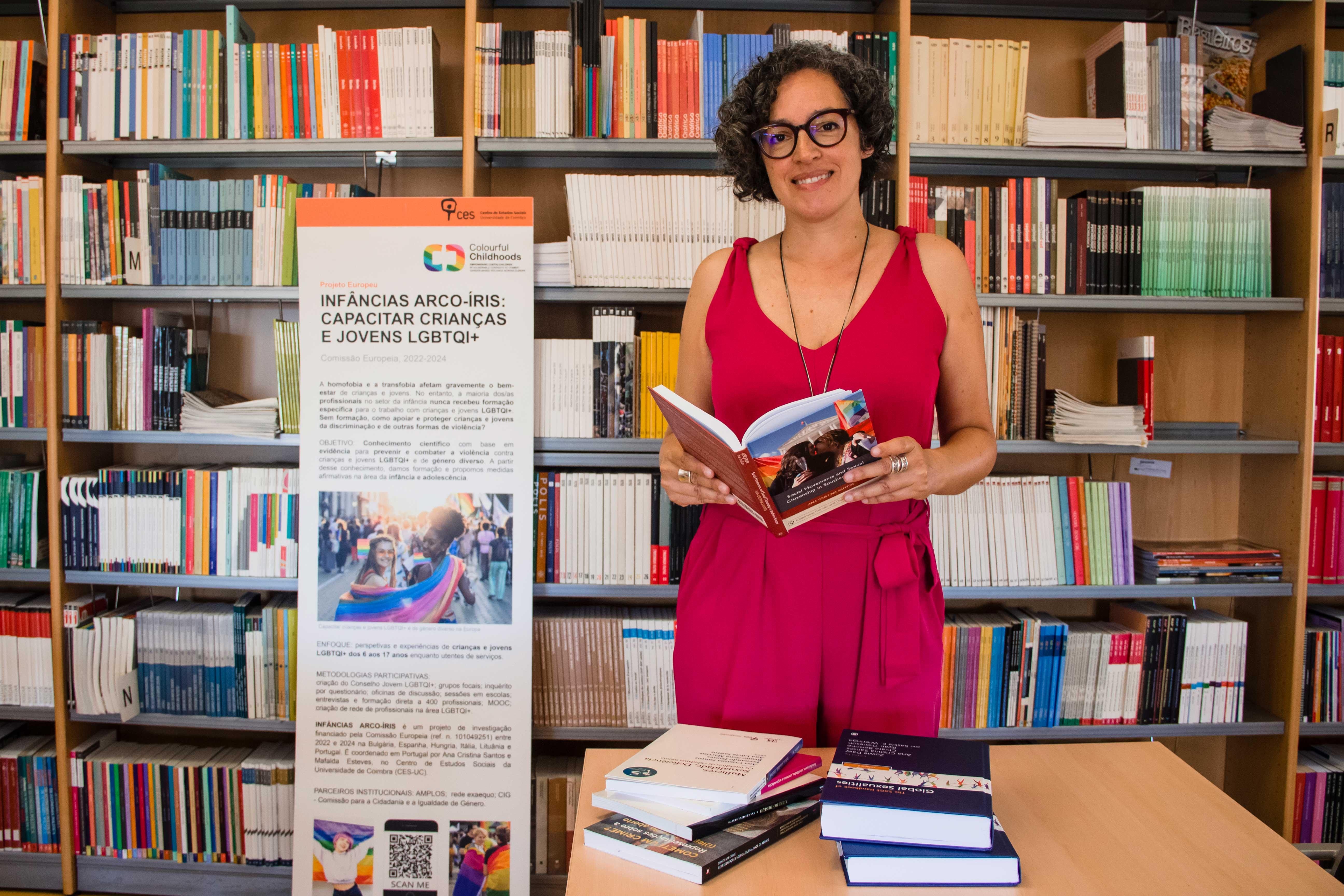
Principal Researcher, University of Coimbra (CES-UC), PT
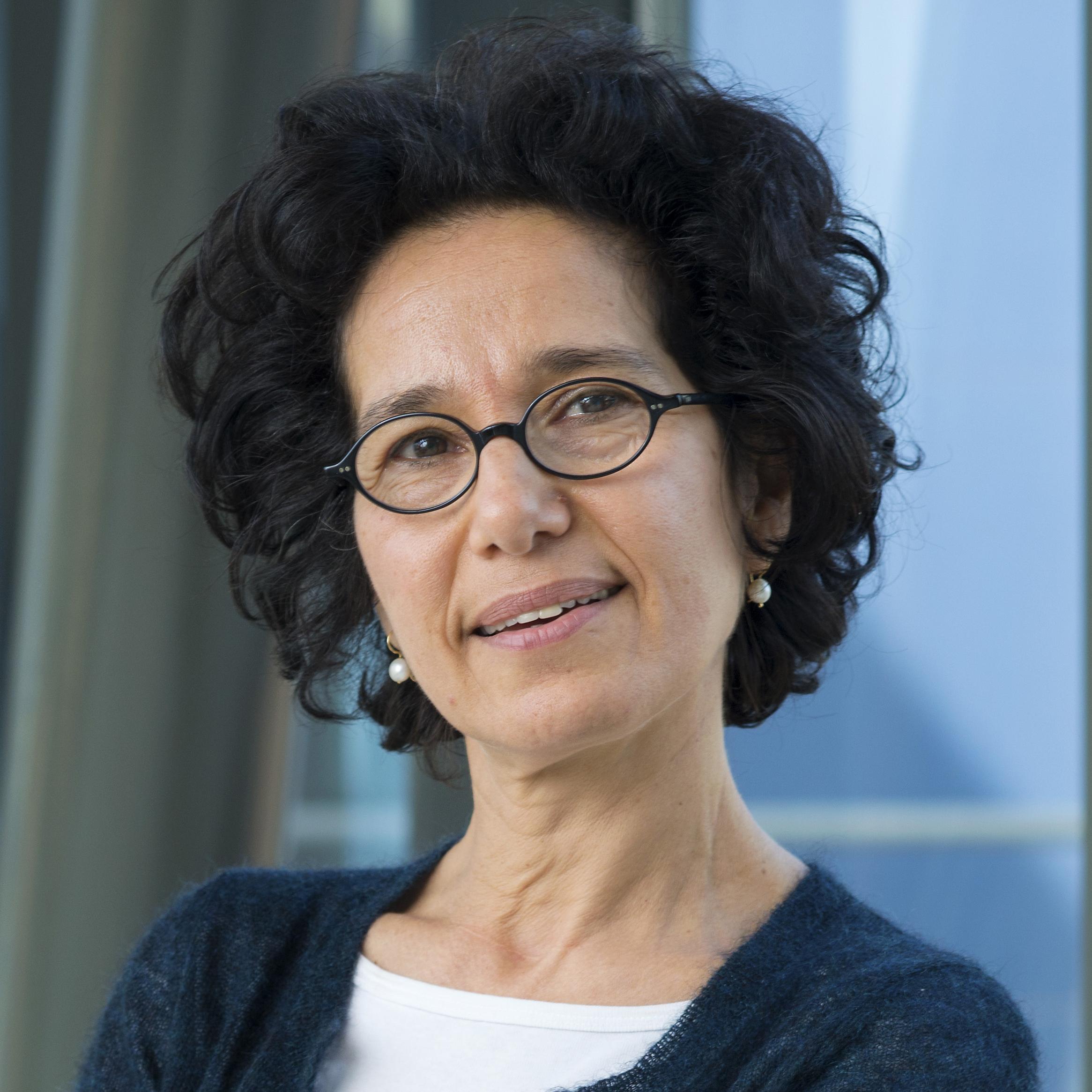
Professor in cellular immunology, Leiden University Medical Center, NL
I was very disappointed to learn from Malin Ah-King (Stockholm University) that we are still struggling with this issue of male bias and heteronormativity in science (that is, biology). I was a Master’s student in the 1980s and I carried out a study into gender bias in sociobiology research as part of my degree requirements. Relatively little has changed since then. Not only is a lot of research biased, but there is also a bias in favor of biased research.
Partiality supposedly has no place in science – science is “objective” (non-biased) – but all science is partial by definition because we all bring our personal backgrounds to the table.
In the west, “objective” has always implicitly meant “as seen from a well-to-do white male’s perspective”, except perhaps in times when society was matriarchal or was matriarchal behind the scenes, such as possibly in ancient Greece, as one member in the audience brought to our attention.
That same person, however, appeared to assume that only men produce testosterone and that only produce estrogen and that hormones direct behavior. Behavior and various other factors can impact hormone production and estrogen and testosterone aren’t the only hormones that interact with behavior.
This interaction alone already pointed out how important diversity in research is.
My main question for all presenters/discussion
How would you have attempted to prevent what happened with the Spectrum 10K study in the UK?
The Wellcome Trust, which is funding the study, halted it after a massive backlash from the autism community. A second ethics review took place, followed by a two-year consultation with the autistic community. I believe that this is what people call an ass-backward approach? In my view, the Wellcome Trust and the researchers could have seen this backlash coming, because of the way in which the researchers handled matters.
Why Autistic People Are Worried by Spectrum 10K | Psychology Today: https://www.psychologytoday.com/us/blog/neurodiverse-age/202108/why-autistic-people-are-worried-spectrum-10k
https://en.wikipedia.org/wiki/Spectrum_10K
I also asked how we can address ageism in the scientific community. For example, grants often have age limits. Some leeway is occasionally available for for example parenthood but not for researchers who went to university at a later age. This seems to be much less the case in the US and this limitation in diversity too puts restrictions on research output.
I later decided to drop Kristien Hens a note and I downloaded two books that she wrote. I hadn’t looked into the program and the presenters in great detail before attending. I preferred to wait and see if I would be pleasantly surprised. I was.
