This is a very interesting paper:

I’d seen how anything that unexpectedly badly impacts my sense of agency can affect my online trading. I start doubting and second-guessing myself (close trades prematurely).
I’m also making other observations right now that have to do with assessing the risk that others present and what their intentions are.
We are biological organisms. Our brain wants to protect us. That is why it tends to assess anything (any different kind of being) that it is not familiar with as potentially risky. This is also key in fostering inclusivity. Familiarity enables us to assess that risk much better and that is why it tends to make us more inclusive.
The better we are provided for, the more at ease we tend to be, the more empathetic. I suspect that this also goes for non-human animals and that there is a seeming correlation with IQ. Because the less of our brain capacity we need to dedicate to finding food and to securing our own safety, the more we can spend on other pursuits.
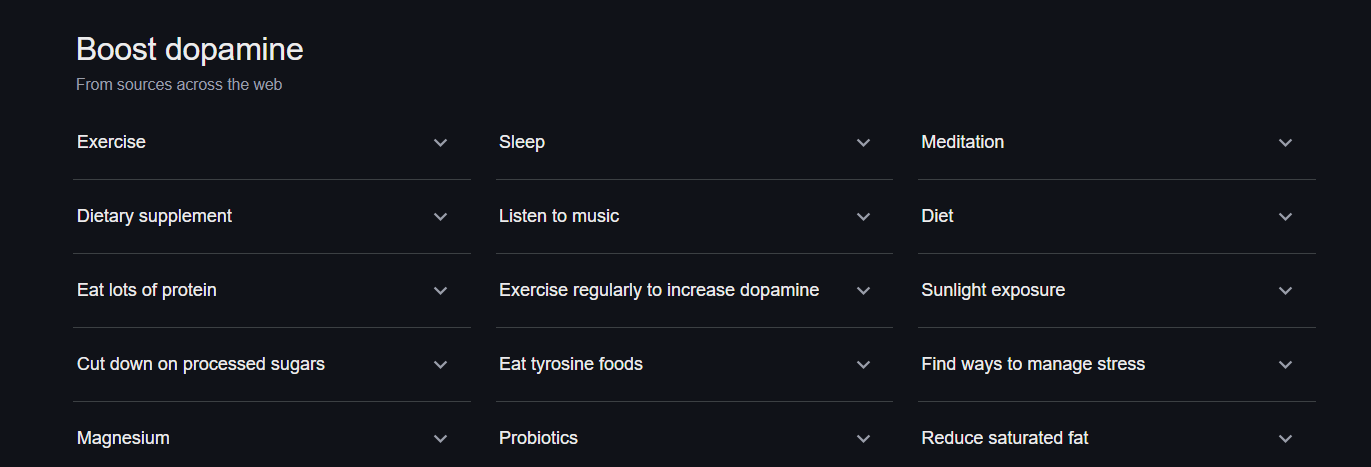
Dopamine.
This paper explains to me why covert narcissists engage in needling (seeking a sense of agency, not a dopamine hit) and why they like to stay away from other people.
It also explains to me what happened when I encountered two meth heads in Portsmouth a few years ago. Their sense of agency was sky-rocketing (but their attention span was minimal). So this is how you can manage them in situation in which they require management? There seems to be a resemblance between meth heads who are high and grandiose narcissists.
I’m trying to see how this relates to myself, too. Agency is very important to me, but I’ve almost always had it and exercised it. Not having agency is something I abhor, though, and it will make me run. It’s what drives many asylum seekers too.
