Human rights – diversity – neurodiversity – equality – inclusivity – discrimination – otherisation – speciesism – planet – consumerism – bioethics sensu lato
Dutch video about abuse and homelessness of migrants in the Netherlands and governance failures (Dutch language, with visuals)
Duur: 32 minuten
Onderaan deze pagina staat nog een link naar een andere video. Duur: 20 minuten.
Voor alle inwoners van Fabeltjeskrantland in en om Amsterdam
Jullie denken dat de gemeente Amsterdam veel aandacht heeft voor dakloosheid in de hoofdstad en er alles aan doet om dakloosheid op te lossen en te voorkomen. Dat staat namelijk in de Fabeltjeskrant. Lowieke de Vos gelooft er niets van. Hij heeft gelijk.
Er zijn vele honderden daklozen in Amsterdam. Het zouden er zelfs zomaar meer dan tienduizend kunnen zijn, maar dan tel je ook de bewoners van vrij luxe vakantiewoningen mee.
Er is zo goed als geen opvang voor hen.
- Het Leger des Heils lijkt 1 keer per week koffie en boterhammen uit te delen op een brug in de buurt van het Centraal Station. Dat weet ik omdat ik dat nu drie keer heb gezien, meest recent op zondagavond.
- Er zijn van gedurende pakweg zes maanden per jaar drie soorten nachtelijke opvang (matrasjes, stapelbedden in slaapzaal). Deze opvang is qua aantallen (capaciteit) zeer beperkt en heeft heel veel nadelen. Het belangrijkste voordeel is dat je er niet doodvriest en niet natregent. Wil jij daar 3, 6 of 12 kilometer voor gaan lopen? Als je er niet voor in aanmerking komt omdat men vindt dat je niet genoeg binding met de stad hebt, neigen anderen dat snel uit te leggen als “de toegang is u geweigerd omdat u erom bekend staat dat u agressief bent”. Beschamend!
- De daklozenvakbond kan je uitleggen hoe je je zo goed mogelijk verstopt zodat de politie je niet lastig valt, hoe je een tentje onder de metrobanen opzet en deelt ook tentjes, matjes en slaapzakken uit. Straatalliantie etc etc, dat zijn allerlei deels overlappende vage samenwerkingsverbandjes die geld moeten opleveren voor iedereen die eraan verbonden is. Er zit ook een soort juridisch loket bij; dat is handig voor als een schuldeiser je verwoed probeert te vinden maar niet snapt waar je uithangt of zo. Het is waarschijnlijk puur een verdienmodel dat verder niets of weinig bereikt voor daklozen.
- De inloophuizen van de Regenbooggroep zijn al heel lang overbezet en er moet soms in ploegendienst worden gezeten, gegeten en gedouched. Je kunt er alleen terecht als je er al geregistreerd staat, hun openingstijden zijn onduidelijk en je kunt er hoe dan ook pas vele uren later terecht dan het tijdstip waarop je volkomen verkleumd wakker wordt en meestal dringend een wc nodig hebt.
- Online lees ik heel veel over begeleiding van drugsverslaafden, maar omdat ik niet drugsverslaafd ben, kan ik niet zeggen of die werkelijk bestaat of dat ook dat een wassen neus is. Er is veel gewauwel over alcohol en drugs en bijna geen aandacht voor het feit dat geldgebrek de belangrijkste factor voor dakloosheid is geworden.
- De Gemeente Amsterdam geeft bakken met geld uit aan rapporten en tools en vergaderingen en studies en overleggen met woningbouwverenigingen en adviesbureaus en reisjes naar Finland maar doet verder geen zak behalve daklozen pesten in het Centraal Station (waar ook reizigers en NS personeel hinder van ondervinden; het station wordt tussen 1 en 5 namelijk hermetisch afgesloten op twee in/uitgangen na waar de meeste mensen totaal niet van op de hoogte zijn. Dit is om overlast van een klein handjevol mensen BUITEN het CS te voorkomen.)
- Onder de pannen: Door een vreemde in huis worden genomen. Dit is qua omvang zeer beperkt en ook is het niet makkelijk om ervoor in aanmerking te komen (binding met stad etc). Dit is wel de enige activiteit die daadwerkelijk dakloosheid probeert op te lossen mits er ook automatisch voldoende inkomen bij hoort. Dit is namelijk een situatie van waaruit mensen niet alleen werk kunnen gaan zoeken maar ook daadwerkelijk gaan werken, mits ze het geld voor OV etc hebben (of in het OV gratis kunnen reizen).
- Als je een hoge mate van zelfredzaamheid hebt of niet de Nederlandse nationaliteit hebt, dan kun je in de praktijk bijna nergens terecht.
- In veel andere steden in Nederland zijn er zelfs geen plekken waar (vooral ook niet-Nederlandse) daklozen naartoe kunnen om alleen al te vragen of ze hulp kunnen krijgen. Vaak hebben ze recht op een uitkering etc maar wordt die botweg geweigerd, ook in Amsterdam.
“You can’t sleep here”
The standard response to that comment should be along the lines of “slaaponthouding is een internationaal verboden martelmethode” (“Sleep deprivation is an internationally forbidden torture method”).
https://www.bnnvara.nl/videos/603539
(documentary)
https://www.npodoc.nl/documentaires/2023/10/you-cant-sleep-here.html
Duur: 20 minuten
Dat “you can’t sleep here” een in dit kader vaak toegepaste echter internationaal verboden martelmethode (zeg ik maar even voor het gemak, want het gaat natuurlijk in de praktijk om duur en mate van repetitie, maar dat weten die agenten en bewakers niet en het is wel degelijk van toepassing, het is wel degelijk wreed gedrag om mensen die geen hond kwaad doen maar bekaf zijn en in slaap zijn gevallen wakker te maken met als enige reden dat zo’n bewaker dan kan zeggen dat het verboden is om te slapen.)
Zie ook dit: https://www.bnnvara.nl/joop/artikelen/daklozen-mogen-blijkbaar-meedoen-maatschappij
“How Bioethicists Can Respond to the Moment by Learning from the Past”
Modern bioethics emerged largely as a response to the atrocities of Nazi Germany, including state-sanctioned genocide on an unprecedented scale, cruel experimentation on the vulnerable in the name of “science,” forced sterilization, and systematic murder of the ill, infirm, and “unfit.”
Read the Article: How Bioethicists Can Respond to the Moment by Learning from the Past
Washable paper towels!!!
That’s… towels.
What Amsterdam’s government can’t accomplish – but I might
Update 5 April 2025: The Filet-o-fish is now 2.50 instead of 2 but the cheeseburgers are still 1.95 and a regular hamburger is 1.80
I’ve been looking into some things, sparked by several people – Dutch and foreign – having asked me for food or coins, often at the same location and early in the morning, plus Dutch local governments basically spending a heck of a lot of money to find excuses so they can disgustingly continue to do nothing at all for non-Dutch EU citizens who got lured here with a combination of work and “housing” through atrocious agencies and then dumped in the streets.
For max EUR 2000 per person per year, I could do the following:
- Give the person a 2-euro cheeseburger or filet o’fish and a tea or coffee every morning between 7 and 8, 365 days a year
- Do laundry for them every two weeks
- Give them access to showers through a gym membership
- Comes without any allergy guarantees. That makes sense. People with severe allergies can reach out and we can find a tailormade solution for them.
- I also want to hand out Mylar emergency blankets for the winter season. Unlike shelter suits, they are not bulky and not heavy (and reusable). They can cost as little as a euro. (Does need to be managed/monitored. We want no blankets as waste all over the place, but homeless people don’t want to draw attention to themselves so I think that this would mostly work well. I could have drop-off points where we can refold blankets for those who find them hard to handle. Collect them? Solution is doable in any case.) (Do I, literally, want to do this? Not necessarily. I’m a catalyst. I get things going and then I step back. If it does not run without me, then there simply isn’t enough support – draagvlak – and it shouldn’t depend on me.)
Shall I start a crowdfunding campaign?
(I think I should, yes. There is enough goodwill among the inhabitants of Amsterdam.)
There are other aspects that I want to take care of such as storage. What are bag ladies and shopping cart pushers? Not “hoarders” as I’ve seen it called, but people who have no place to keep their things. I can imagine walls or blocks with key card or code-controlled free lockers distributed throughout the city – which would be ideal but relatively expensive – but it might be easier (debatable) to collect stuff with a van in the morning and drop it off in the evening. A good compromise might be local shops making some space available for local homeless people; it would also be good for community-building.
I also need at least one real estate giant or property developer or whatever you are to help develop capsule housing. Prevention and remediation. Simples. It ain’t rocket science. (Frans, verdomme. De witst beiter. Eg waal. Effe un anger mutsjke op dunne kop doehu en effe een kleen bietje angush kiekuh.) Failing that, I’d probably love to look into some kind of foldable shelter that protects against wind and rain. Needs to be stored on-site or to be dropped off and collected.
Homelessness is mostly about MONEY, not about not having a home. That’s just a consequence, albeit a bloody impractical one.
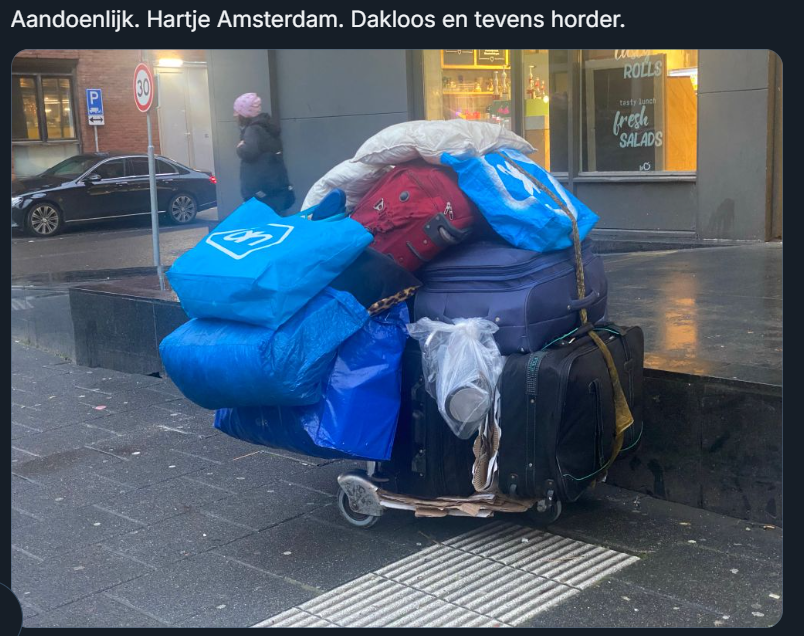
The difference between the two people on either side of the camera is merely money. Along with money also come people who can can pull strings for you when you need it.
Where the money goes
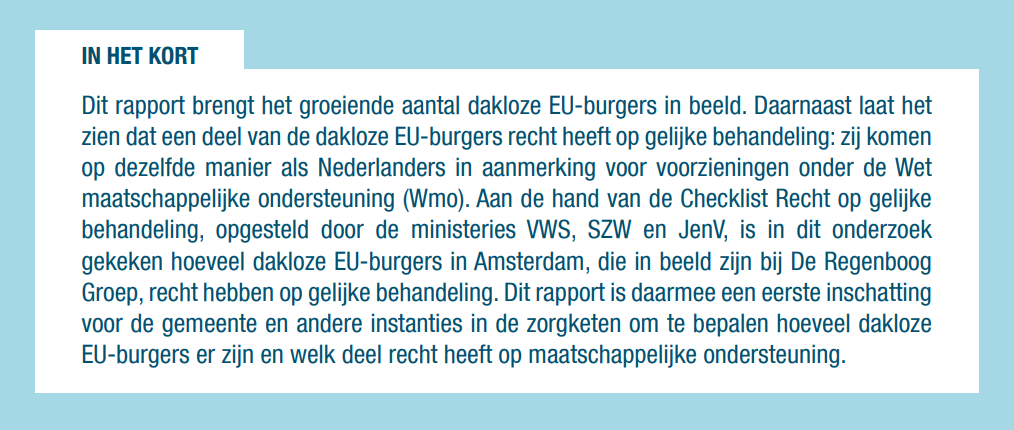
- https://www.deregenboog.org/sites/default/files/2024-12/rapport-eu-burgers-drg_en_gemeente_amsterdam.pdf
- https://verblijfblog.nl/eu-burgers-en-het-recht-op-toegang-tot-daklozenopvang/
- https://www.deregenboog.org/nl/nieuws/eu-burger-en-dakloos-amsterdam-waar-heb-je-recht-op

Zie ook dit: https://www.bnnvara.nl/joop/artikelen/daklozen-mogen-blijkbaar-meedoen-maatschappij
Begin april gaan alle onderzoekers weer met een lampje onder alle bruggen en op alle bouwplaatsen en in alle portieken en bosjes en op alle woonkamerbanken en in alle vakantiehuisjes en schuurtjes, auto’s en boten kijken om vast te stellen hoeveel mensen er nu echt volgens de BRP niet ergens “wonen”. Daar zijn ze nu al sinds 2005 mee bezig en duidelijk nog geen steek mee opgeschoten want we zijn nu twintig jaar verder: https://www.kansfonds.nl/programmas/telling/veelgestelde-vragen-over-de-ethos-telling/
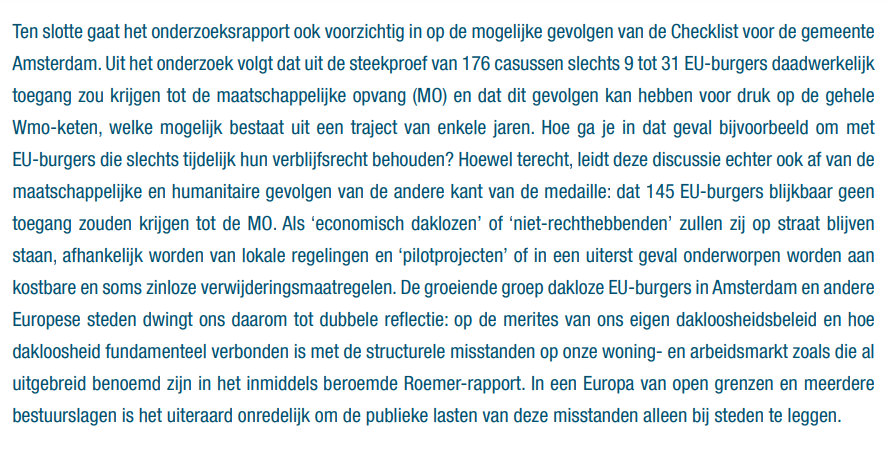
145 x 2000 = EUR 290,000 per year for very basic support for the most unfortunate EU citizens (like myself, btw).
Addressing homelessness in AI-generated cartoons



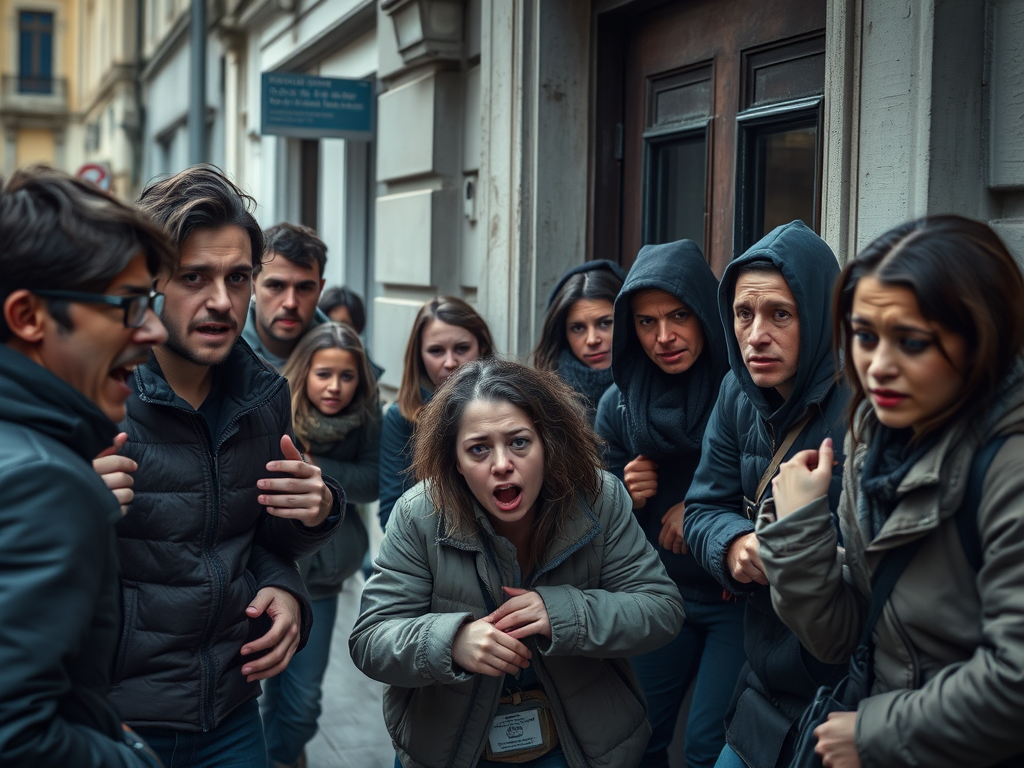

They are spending a mountain of money to avoid doing the humane thing and hand out a few euros’ worth of coins.
Frightening
Why Amsterdam’s homelessness approach is failing
- It is still largely based on otherization.
- As an excuse, it assumes that intensive coaching or counseling is required and uses difficulty attracting staff as explanation why nothing is happening.
- It dedicates too much attention to cute, high-visibility activities, such as having mattresses for people to sleep on at city hall. Gimmicks.
- Illustrative is the Ethos count. Citing a lack of information on the extent of the problem as a reason for being unable to draw up appropriate hence effective policies, there is an annual count of homeless people to gather more information. The count is not Amsterdam-made, but please don’t use the count as an example of how much you are doing to resolve the issue: https://www.internationalhu.com/research/projects/european-homelessness-count
- The emphasis is on more of the same. Placing mattresses on the floors of sports halls during the night does not solve anything.
- It appears that a giant number of people, mostly civil servants, is looking into and talking about the issues all day and every day. Externally, too many businesses and organizations are involved in the margins that make money off the issue.
- Rules and regulations not only strangle them, they are also used as an excuse. There doesn’t seem to be a real drive to change things, just an obligation to do “something”. There is no real motivation to make something work. An example is a project in which fire safety regulations played a role. Solve it. Period. Don’t use it as an excuse.
- It seems to focus only on people who are in the BPR or were when they became homeless.
A few minutes after I wrote the above, someone published this:
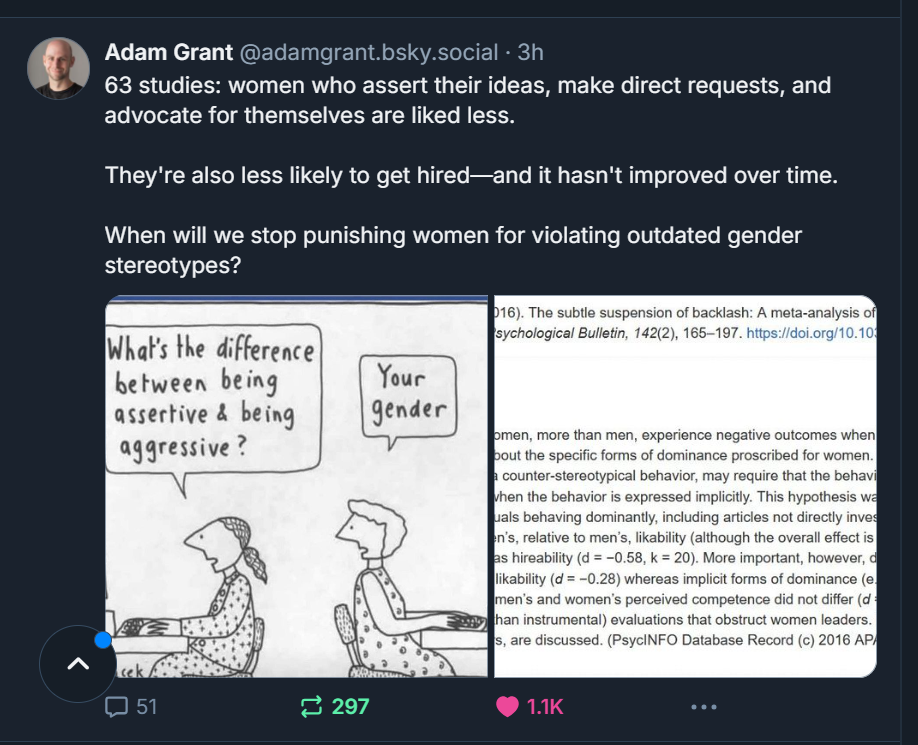
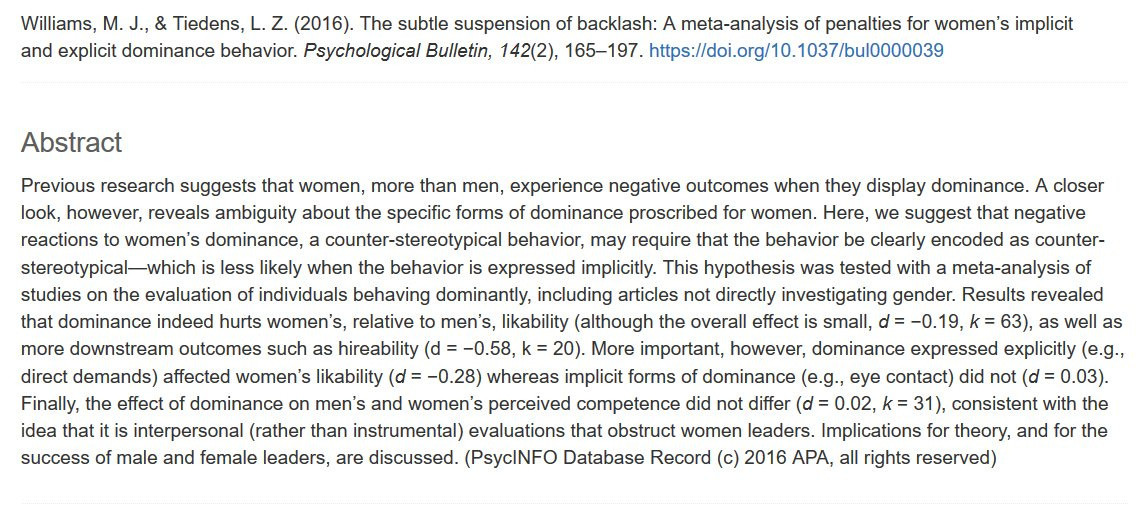
Women are still hated
This is why it was so easy to whip up 4chan members into making my life a living hell.
Trump getting scary?
If you think so, then I should remind you that the things he does are things that the Conservatives had been doing in the UK for over a decade, too. Several UK government politicians were held in contempt of court, including Theresa May, for similar things as Trump is doing.
https://edition.cnn.com/2025/03/22/us/green-card-visa-holders-deportation-fears-cec/index.html
Schandalige “journalistiek” van De Orkaan in de Zaanstreek

Homelessness in Amsterdam
Amsterdam’s approach to homelessness
I think that Amsterdam’s approach of homelessness does not work. One reason is that cause and effect of factors that feature in homelessness get confused. By that, I mean that I believe that what is often seen as a cause is actually a result, for example a result of the failing approach. Another reason is that the efforts are largely cosmetic in my view and don’t necessarily do much to alleviate the suffering of homeless people, let alone remedy and prevent homelessness.
I suspect that there often is a subconscious assumption that there are so many things “wrong” with homeless people that their homelessness is basically a given. I feel that homelessness is often being supported, rather than homeless people. People end up exhausted and devalued, and are left without hope.
Particularly also the current measures being taken at Amsterdam’s Central Station are very concerning, in my view. They also impact travellers and NS staff negatively.
The huge impact of sleep deprivation – a fixed component of homelessness – appears to get completely overlooked. First, people will start functioning at the level of being drunk, but sleep deprivation also often causes sour moods (depression), hallucinations and psychosis. These are the result of homelessness, not the cause. Therein lies the key to dealing with homelessness, I believe.
Amsterdam’s mayor
I just read that Amsterdam’s mayor Femke Halsema has very recently said she wants to reexamine Amsterdam’s homelessness policy:
https://www.parool.nl/amsterdam/waarom-krijgen-buiten-slapende-daklozen-nog-steeds-boetes-halsema-wil-beleid-tegen-licht-houden-daklozen-beschermen-en-overlast-tegengaan~b6af637f/
However, she appears to have said more or less the same in 2021:
https://www.at5.nl/nieuws/206600/halsema-vindt-beboeten-van-slapende-daklozen-beschamend
I conclude that little or nothing has changed and I wonder how committed Halsema really is. Her comments reflect conservative right-wing politics, not at traditional views from the left. She’s still with GroenLinks, however.
Time for positive change
I have several ideas for how we could accomplish a turnaround in this area. Some of these also convey the human right to housing; as I am sure you know, the United Nations believe that the Netherlands is not doing too well in this area.
- I propose capsule housing as a way to help prevent homelessness and remedy existing homelessness by bringing people’s expenses down. This might be done by using empty office buildings (https://openresearch.amsterdam/image/2024/10/28/monitor_kantoren_1_januari_2024.pdf). The conversion of empty office buildings into traditional housing is expensive and often stalls for that reason. By contrast, converting existing buildings for capsule housing might not only cost a lot less, the capsules should and would be removable, conferring a great deal of flexibility.
- The official day and night shelters are pitiful and limited and largely cosmetic. Access is very limited, in every conceivable way. It also forces people who are already exhausted to traipse all over Amsterdam.
- There should be small-scale facilities all over town where people can keep a few belongings. This could be with host families (for example their bicycle storage “box”) or with public libraries, but other solutions are possible. I myself have been homeless for nearly five months, mostly in Amsterdam, and I get so exhausted dragging all my stuff with me wherever I go, even if it is just for a snack from the supermarket. It would be so lovely if I could just leave my suitcases somewhere for an afternoon and know that they will still be there when I get back.
- There need to be far more stable (!) and easily accessible (!) sleeping places all over town. This would need to be managed well, in terms of cleaning and maintenance; letting specific homeless people look after these solutions might work really well. Toronto has a project with transportable tiny homes (https://tinytinyhomes.ca/contact-us/ and https://www.gofundme.com/f/tiny-tiny-homes-affordable-housing-solutions). Personally, I do not see them as a breakthrough, but the project does raise awareness for the issue and gets people involved. Portsmouth and London in the UK have converted buses into flexible shelters and that could be a good solution for Amsterdam. I would also like to see capsules installed at or near Central Station to ensure that people get enough sleep (to tackle problematic behaviours) and stay warm. Homeless people could be issued with an electronic pass for free access to 75% of these capsules; the remaining 25% could be accessed at a fee of EUR 10, 12.50 or 15. This way, you avoid competition with hostels, and on the other hand, when the 75% are occupied people who are desperate for a good night’s sleep won’t mind paying a small fee and won’t feel the lack of capacity as acutely. Of course, the main problem behind homelessness is lack of cash, but if you take a look on for example Reddit, you will see that financially more fortunate Amsterdammers can be quite willing to pay 30 euros or more just so that some stranger does not have to sleep in the streets. What I like about the idea of a project at Central Station is the educational factor. The stigma needs to be addressed and the extreme hardship needs to be explained along with how this affects homeless people why they are not always at their best behaviour and why this calls for compassion rather then rejection and condemnation.
- The approach taken at Jan van Galenstraat 323b is dehumanizing and should be thoroughly overhauled. People should not be treated as if they are potentially dangerous terrorists; that’s downright offensive. (I refer you to what I wrote above.) Also, promises should always be laid down in writing to avoid that despicable games get played with homeless people; this erodes trust in democracy and can make people very angry. Also, you get a better response from people if you treat them with normal human respect and dignity than when you treat them like potentially dangerous trash.
With regard to myself, I am not entitled to any form of support (and I have lost all faith in civil servants when it comes to really depending on their support anyway). My aim is to get myself back on my feet asap, and I set up a GoFundMe to that end at the start of this year. I expected to have accomplished my goal much sooner (before the end of November, even) and I am getting pretty exhausted. I am a Dutch citizen, but I am formally based in the UK.
I have seen and learned a lot in England. Speaking of which, London is also currently starting a major effort to address homelessness (https://www.london.gov.uk/talk-london/topics/housing/rough-sleeping-london/discussions).
I no longer really know anyone in the Netherlands.
Anything you can do to truly help me would be greatly appreciated, however. (Atypical for me, I quite often find myself close to tears these days.) My main problem is my lack of income, other than donations. I have no savings. My story is not a typical one, but the end result and what needs to be done to remedy the situation is more or less the same as for any other homeless person. It is a matter of cash. Any healing that needs to be done all depends on having financial stability.
I recognize homeless people now – along with a few fake ones – and I see their pain and utter exhaustion, hopelessness and misery. It’s often young males, often wire-thin, but also older males. They all desperately try not to get noticed. It’s HEART-BREAKING, particularly to see the young ones. They are supposed to be our future and if we don’t support them now, we are merely creating tomorrow’s much bigger problems.
Wonen in Mokum, een pijnlijk onderwerp
Ik ben best wel een rasechte Amsterdammer, eigenlijk. Mijn eerste echte baan kreeg ik in Amsterdam, nota bene bij de VVV. Amsterdamser kan het haast niet. Ik was informatrice, zoals dat heette. Het was 1980, het jaar van de kroning van Beatrix. Het was ook een jaar met andere ongeregeldheden. El Al was op het Rokin gevestigd en kreeg met bomdreigingen te maken en er zaten her en der krakers. Af en toe moest ik naar een ander treinstation om thuis te komen.
In tegenstelling tot wat men nu soms schijnt te denken, was het destijds ook al heel moeilijk om een huurwoning in Amsterdam te krijgen. Ik woonde daarom eerst in het best wel heerlijke Hilversum en daarna in Baarn, voordat ik naar de Pijp kon verhuizen. Het Alhambra lag om de ene hoek, Carré om de andere, het Stedelijk iets verder en ga zo maar door. Wat wil een mens nog meer? Intussen werkte ik in het Crest Hotel de Boelelaan, eigendom van de Britse Bass Brewery groep. Later werd het een Holiday Inn, maar dat was na mijn tijd. Tegenwoordig worden er 400 vluchtelingen uit Oekraïne opgevangen.
Er kwamen destijds vooral veel zakelijke gasten omdat er zoveel internationale bedrijven in de omgeving zaten en de RAI veel congresbezoekers trok. Ik heb daar echter ook Sean Connery gezien, Nederlandse prominenten uit bijvoorbeeld uit de voetbalwereld en het omroepgebeuren, heel veel North Sea Jazz musici waaronder het Dave Brubeck Quartet, schaakgrootheden die er voor het Max Euwe toernooi waren en de Nederlands-Amerikaanse Dola de Jong. Ook Chet Baker kwam er vaak.
Het was vooral in dit hotel waar ik met de Amsterdamse cultuur kennismaakte. Ik bedoel niet dat ik vaak naar musea en theaters ging, al deed ik dat ook heel veel, tot soms wel vier uitjes per week aan toe. Een aantal van mijn collega’s waren ras-Amsterdammers en ik werd met enige regelmaat in de maling genomen. Ik zie het gezicht van Hans nog voor me als hij in een deuk lag om mijn verwarring en dat van Ferry met zijn droge humor. Amsterdam ervoer ik als gastvrij. Ik ben er nog lang gebleven. Ik ben er later afgestudeerd en schreef me er ook voor het eerst bij de KvK in.
Ik ben echter in Zuid-Limburg geboren en opgegroeid. Mijn ouders waren Nederlanders, maar zoals bij de meeste mensen lagen hun wortels van generaties terug elders. Beide families kwamen ooit uit Frankrijk, de ene uit het westen en de andere uit het oosten. Ben ik daarom minder Nederlands of minder Amsterdams? Mag ik mijn land verlaten en later weer terug willen komen of moet ik dan maar lekker blijven zitten waar ik zit? Ben ik alleen Nederlander of Amsterdammer als ik mijn dure zorgpremies betaal? Hoe zit dat nou? Wanneer heb ik mensenrechten en wanneer niet?
Fast forward naar het hier en nu. Zelf heb ik in de tussentijd niet alleen in Amsterdam gewoond maar ook in de VS en in Engeland. Staat Amsterdam nog steeds zo open voor vreemdelingen met een zachte g en andere on-Amsterdamse trekjes? Bij de inwoners is dat grotendeels wel nog zo, denk ik. De laatste tijd heb ik vooral Amsterdam Oost wat beter leren kennen en de meeste mensen lijken er erg hartelijk te zijn. Ze steken elkaar en ook mij graag een helpende hand toe.
Bij het ambtelijk apparaat ligt het echter heel anders. De woningnood van toen is er namelijk niet alleen nog steeds, die is nog veel schrijnender geworden. De situatie is nu totaal anders dan in 1980. Dat geldt waarschijnlijk voor het merendeel van Nederland, niet alleen voor Amsterdam. Airbnb is een voorbeeld van een recente ontwikkeling die het wonen in de weg zit. Wonen is nu bijna synoniem geworden met andermans recht op geld verdienen. Het draait niet meer zo zeer om je eigen recht op huisvesting, op een veilig eigen onderkomen. Het is echter een mensenrecht, veilig mogen wonen.
In het westen neigen we mensenrechten vaak te zien als iets dat niet-westerse landen schenden. Het recht om te kiezen wat voor werk je doet en ook je thuis veilig kunnen voelen zijn echter twee voorbeelden van mensenrechten die we als zo vanzelfsprekend ervaren dat we er ons niet zo snel van bewust zijn als we die schenden.
Mensenrechten (zoals in 1948 opgesteld)
De Engelse tekst van Artikel 12 luidt als volgt:
“No one shall be subjected to arbitrary interference with his privacy, family, home or correspondence, nor to attacks upon his honour and reputation. Everyone has the right to the protection of the law against such interference or attacks.”
Artikel 13 verklaart het volgende:
1. “Everyone has the right to freedom of movement and residence within the borders of each state.”
2. “Everyone has the right to leave any country, including his own, and to return to his country.”
Lid 1 van Artikel 25 betoogt dit:
1. “Everyone has the right to a standard of living adequate for the health and well-being of himself and of his family, including food, clothing, housing and medical care and necessary social services, and the right to security in the event of unemployment, sickness, disability, widowhood, old age or other lack of livelihood in circumstances beyond his control.”
Artikel 7 zal veel mensen bekender in de oren klinken:
“All are equal before the law and are entitled without any discrimination to equal protection of the law. All are entitled to equal protection against any discrimination in violation of this Declaration and against any incitement to such discrimination.”
Ik ga hier geen juridisch betoog voegen en ik ga evenmin verwijzen naar het Europees recht. Wel vraag ik de aandacht voor het feit dat Olivier de Schutter, mensenrechtenspecialist en sinds mei 2020 de Speciale VN-Rapporteur voor Extreme Armoede en Mensenrechten, in 2020 heeft uitgesproken dat povertyism – discriminatie van armen – net als racisme en andere vormen van discriminatie strafbaar moet worden. Hij concludeerde: “Discrimination is part of the daily experience of people in poverty.”
Links:
https://www.ohchr.org/en/press-releases/2022/10/ban-povertyism-same-way-racism-and-sexism-un-expert
Wonen en mensenrechten
De Verenigde Naties spraken in 2021 specifiek hun zorgen uit over een situatie in Rotterdam. De Speciale VN-Rapporteur voor het Recht op Huisvesting, Balakrishnan Rajagopal, en de Speciale Rapporteurs voor onder meer Armoede en de Rechten van Migranten en Minderheden brachten een formele verklaring uit.
Link:
https://spcommreports.ohchr.org/TMResultsBase/DownLoadPublicCommunicationFile?gId=26359
De context is de spanning tussen het doelbewust veroorzaken van dakloosheid onder vooral mensen met een niet-Nederlandse achtergrond versus de commerciële belangen van onroerend-goed-bezitters. Het Nederlandse ambtelijke apparaat lapt de belangen van inwoners wel vaker gemakkelijk aan de laars ten faveure van wat o.g.-giganten willen. Dat weet ik intussen ook uit eigen ervaringen.
Ter illustratie geef ik deze twee gedeeltes uit de VN-verklaring met betrekking tot de situatie in Rotterdam:
• “Rendering homeless those people who previously enjoyed adequate housing by demolishing their homes, would violate the principle of nonretrogressive measures in international human rights law.”
• “Targeting in particular Rotterdam South, where a significant proportion of the residents are migrants or have a minority and immigrant background, may have the effect of discriminatory distinction, which impairs the exercise of the right to adequate housing.”
Een jaar geleden kwam Rajagopal al voor Nederland met 65 aanbevelingen om het recht op adequate huisvesting beter te beschermen en verwerkelijken.
Link:
In december 2023 meldde hij namelijk al dat Nederland het internationale mensenrecht op adequate huisvesting beter in de Grondwet en in de nationale wetgeving moest verankeren.
Links:
Daklozen en mensenrechten in Amsterdam
Nu ga ik inzoomen op Amsterdam. Gewone burgers kunnen bij de gemeente gewoon naar binnen lopen, maar daklozen niet. Die moeten in de Jan van Galenstraat (op nummer 323b) al hun spullen in een kluisje zetten en mogen alleen met bundeltjes papier naar binnen. Na hun afspraak worden de bezoekers snel het gebouw uitgewerkt; hun papieren moeten ze desnoods maar in de nabijgelegen KFC ordenen. Er staat ook een metaaldetector. Die wordt niet standaard gebruikt, maar mij is twee van de drie keer gevraagd om er doorheen te gaan. De tweede keer bedacht de bewaker zich en wuifde hij me welwillend verder. Op het moment dat ik deze tekst tik, ben ik namelijk vier-en-een-halve maand dakloos (grotendeels omdat ik gewoon mijn eigen leven wilde mogen leiden, met normaal menselijk respect wilde worden bejegend, niet als een stout kind van vijf omdat ik een 55-plusser ben, en daar vrij principieel in heb gehandeld).
Omdat ik inmiddels niet meer onder de Nederlandse bevolking val, zou ik overigens kennelijk naar het AMOC moeten waar vooral Oost-Europese seizoensarbeiders belanden. Mijn Master’s komt echter van een Amsterdamse universiteit en ik heb in Amsterdam toch aardig wat geschiedenis zoals ik in het begin al liet merken. Dat laatste telt echter niet. De regels in Amsterdam zeggen dat ik hier geen rechten meer heb (hoewel ik dus wel het recht heb om naar mijn geboorteland terug te keren).
Die bejegening van daklozen op het adres Jan van Galenstraat 323B is naar mijn mening een haast onbetwistbare uiting van povertyism. Dit zal voor velen niet meteen duidelijk zijn. Dat komt door mythes en misverstanden rond dakloosheid. Dakloosheid heeft zeker tegenwoordig vooral veel met armoede te maken. Armoede is puur de combinatie van relatief weinig inkomsten hebben en daar zelfs de basisbehoeften niet van kunnen betalen. Daarom stel ik dat de behandeling van daklozen door de gemeente Amsterdam een uiting van povertyism is.
Ik weet bovendien uit eigen ervaring dat ambtenaren soms heel flauwe spelletjes met daklozen uithalen en hen bijvoorbeeld bewust wekenlang op het verkeerde been zetten om hen zo de toegang te kunnen ontzeggen op grond van regels die Amsterdam hanteert. Dat is zoiets als zes of acht jaar lang onafgebroken in Amsterdam hebben gewoond of gewerkt onmiddellijk voorafgaand aan de dakloosheid, al betreft dit mogelijk vooral het recht op een bijstandsuitkering, niet zozeer de toegang tot de opvang. Anderen kunnen daaruit later echter ten onrechte concluderen dat de persoon in kwestie probleemgedrag vertoont, bijvoorbeeld vaak agressief is, en dat de toegang tot de opvang op grond daarvan was ontzegd.
Dit overkwam mij op 24 december 2024, de dag dat ik de opvang in zou kunnen, een inschrijfadres zou krijgen en een uitkering zou kunnen aanvragen. Daarna heb ik dus als de wiedeweerga crowdfunding opgezet. Crowdfunding valt niet te combineren met een bijstandsuitkering. De donaties kunnen in beginsel al reden vormen om geen uitkering toe te kennen en worden bovendien van een reeds lopende uitkering afgetrokken.
Mythes en misverstanden
Het is een standaardaanname dat dakloosheid wordt veroorzaakt door drugsverslaving, alcoholmisbruik en hersenaandoeningen zoals schizofrenie. Af en toe zit er misschien iemand bij die niet of niet meer kan tellen of lezen en schrijven, geen formulieren kan invullen en niet begrijpt dat hij de huur moet betalen. U denkt dus wellicht dat ambtenaren daarom tegen daklozen moeten worden beschermd omdat daklozen per definitie potentieel gevaarlijk zouden zijn. Waar komt dat idee vandaan?
Om dat te achterhalen, sleur ik er nu even een ander “mensenrecht” bij. Het onthouden van dat recht staat internationaal erkend als een wrede martelmethode en is dan ook niet toegestaan. “Sleep Is a Human Right, and Its Deprivation Is Torture” luidt de titel van een artikel in de oktober 2024 editie van het AMA Journal of Ethics.
Link:
https://journalofethics.ama-assn.org/article/sleep-human-right-and-its-deprivation-torture/2024-10
Doordat extreem slaapgebrek hooguit wordt geassocieerd met illegale martelpraktijken van de CIA is er is veel te weinig bekendheid met de effecten van ernstig slaapgebrek en het feit dat dit een hoofdcomponent van dakloosheid is. Dat is overigens niet alleen zo voor buitenslapers, maar is ook vaak het geval bij mensen die bij vrienden en collega’s op de bank slapen, zij het in mindere mate.
De aandacht ligt bij daklozenopvang jammer genoeg behalve dat het grotendeels politieke cosmetica lijkt te zijn vooral op het beschermen tegen de invloeden van guur winters weer. Slaapgebrek leidt echter al snel niet alleen eerst naar een niveau van functioneren dat op dronkenschap lijkt, maar kan daarna onder meer in hallucinaties en psychotische symptomen resulteren.
Op straat leven staat bijna per definitie gelijk aan chronisch slaapgebrek hebben. Dit leidt ook meteen tot een aftakeling van het uiterlijk. Mensen gaan er puur door slaapgebrek al snel verwilderd uit zien. Als je er vrieskou bij doet en gure wind, dan zien ze er misschien zelfs ronduit “gevaarlijk” uit. Je ogen raken hun normale aantrekkelijkheid kwijt. Daar komen de effecten van armoede nog bovenop. Denk aan een slechte kwaliteit voeding, niet meer naar de kapper kunnen en ook, wellicht vooral voor wat oudere personen, niet meer dagelijks verzorgende producten kunnen gebruiken. Uiteraard laat het uiterlijk van de mens ook de impact van stress zien. Daar komt ook nog enige uitdroging bij omdat je wilt voorkomen dat je ‘s nachts naar de wc moet en dus probeert niet al te veel vocht te consumeren.
De mythen over dakloosheid moeten de wereld uit want die helpen dakloosheid in stand houden. Er wordt bij de aanpak vaak onbewust van uit gegaan dat de oorzaak van de dakloosheid zo problematisch is dat dakloosheid niet te vermijden is. Het ondersteunen van iemand’s dakloosheid wordt dan hoofdtaak. Daarmee bedoel ik dat de daklozen zelf niet worden ondersteund; ze worden vooral geholpen om dakloos te blijven.
De opvang is in Amsterdam erg beperkt, zoals bij velen bekend is, en die is ook niet altijd gratis. Bovendien is toegang krijgen erg moeilijk. Ik heb begrepen dat dit een bewuste tactiek is om te voorkomen dat anders bij wijze van spreken half Nederland naar Amsterdam zou komen om toegang te krijgen tot de daklozenopvang. Ik denk niet dat dat een realistische aanname is.
In 2019 werd daarom voorgesteld om daklozen in tentjes in het Vondelpark te laten slapen. Volgens de Volkskrant dreigde burgemeester Halsema daarop met fikse boetes.
Links:
Om te stellen dat dit betekent dat burgemeester Halsema een voorstander is van slaaponthouding is iets te kort door de bocht, maar het komt wel schrikbarend dicht bij de realiteit. Ik hoop dat Femke Halsema zich achteraf GROEN heeft geschaamd over hoe afgrijselijk RECHTS haar reactie destijds was.
Je kunt bovendien wel degelijk poneren dat NS, ProRail, de gemeente Amsterdam en de Amsterdamse politie op Centraal Station tegenwoordig een internationaal niet toegestane martelmethode toepassen.
Links:
Je kunt je afvragen wat de nieuwe aanpak bij het Centraal Station op de achtergrond écht bereikt. Ik vermoed dat die de problemen in werkelijkheid vergroot. Het probleem is namelijk ongetwijfeld verplaatst. Dat kan haast niet anders.
Over de opvang kan ik nog veel meer zeggen. Ga je even met me mee, Femke van GroenRechts? Het is 17 maart. Ik heb net veertien-en-een-half uur in de kou gezeten en gestaan en nauwelijks geslapen. (Wat er dan gebeurt, is dat mijn hersenen die slaap bikkelhard zoveel mogelijk afdwingen want zonder slaap kunnen mensen niet overleven.) Het is nu half 7 in de ochtend en ik VERREK van de kou. Ik kan wel janken, zo verrekt verkleumd ben ik. Ik ben bovendien een paar dagen geleden achterover van een roltrap gevallen en mijn lijf wil ook daarom rust en warmte, maar die krijgt het niet. Het is al een paar weken ‘s nachts rond het vriespunt. Overdag merken de meeste mensen dat niet eens, zeker niet als het kwik overdag al snel richting 20 graden gaat.
Waar kan ik nu naartoe, Femke? De dichtstbijzijnde formele dagopvang (inloophuis) gaat volgens de ene site open om half 10 en volgens de andere om half 11. Dit soort opvang schijnt bomvol te zitten en er is een reële kans, zo begrijp ik, dat ik na een uur of 3 binnen weer weg moet of dat ik pas 3 uur later binnen kan om dan 3 uur later weer weg te moeten. Wat heb ik hieraan? De websites zien er altijd deprimerend uit en van de succesverhalen zakt de moed je in de schoenen.
De echte, informele dagopvang, dat zijn onder meer de McDonald’s vestigingen en de openbare bibliotheken. Daar kan ik veel vroeger terecht om een beetje op te warmen. Daar kan ik ook naar de WC. Het duurt uren eer ik weer een beetje warm ben en zonder warm eten lukt het me niet eens. De McDonald’s waar ik vaak naartoe ga, heeft een personeelsgebrek en kan daarom vaak niet op tijd open. Dan kan ik meestal wel janken. Mensen kunnen aan mij niet zien hoe ik me voel. Hoe koud mijn lijf van binnen voelt. Hoe dat voelt? Je wil het niet weten. Ze gaven me laatst een gratis cappuccino omdat ze een uur later pas open konden gaan. Wat lief! Eerder bracht mensen van een restaurant waar ik ’s nachts buiten op een bankje had overnacht me een bekertje koffie. “Koffie? Lekker warm!” en een dag later was het een leraar van een school die me staand en knikkebollend aantrof en me vroeg of alles goed was en vervolgens een bakje koffie voor me ging halen. Om de hoek stopte een dag of wat later een vrouw me 3 euro toe omdat ze die op dat moment net kon missen. Een man uit Pakistan bracht me een croissantje, een vitaminedrankje en een paar bananen; hij gaf me een briefje van tien. Ook van dit soort dingen krijg ik de neiging om te gaan janken maar dan om andere redenen. Een andere man die zelf ook dakloos was, en een accent had dat ik niet thuis kon brengen, gaf me een nog warme burrito die hij zelf weer van iemand anders had gekregen. Malika en Fatima brachten me warme soep, en nog veel meer, lieten me in hun box en gaven me een superheerlijke fleece wrap – met de woorden “Die is van u!” – die ik later heb gewassen en met pijn in mijn hart teruggebracht omdat die echt niet meer in mijn koffer erbij paste. Dát is de echte daklozenopvang.
Waar ik van de roltrap ben gevallen, vraag je, Femke? Op het CS, midden in de nacht. Ik ben er één nacht geweest. Ook ik was wanhopig op zoek naar een beschutte ruimte waar ik niet dood zou vriezen en waar ik bovendien niet zou worden lastiggevallen. Online stond overal dat het CS 24/7 open is. We werden als een soort wilde dieren door – op 1 persoon na – zich vrij agressief of angstig gedragende mensen in gele jasjes en hesjes rondgestuurd zonder al te veel duidelijkheid. Reizigers (inclusief NS personeel) liepen tegen gesloten glazen deuren aan; ook de code of keycard van NS kreeg de deur niet open en sommige reizigers probeerden nog in paniek een laatste trein te halen.
Alle hulp kwam van medereizigers toen ik van de roltrap viel. Die grepen me zodat ik niet de hele roltrap afdonderde, die zagen dat ik mijn mobiel was verloren en pakten die voor me, die zorgden dat ik heelhuids overeind kwam en droegen mijn koffers voor me bij de volgende trap.
Weet je hoe het gaat als je dagen niet kunt slapen, Femke? Weet je hoe dat voelt? Weet je wat het is om dagenlang alsmaar letterlijk in de kou te zitten? Jij en je maatjes verjagen mensen niet alleen uit de relatieve warmte van het CS, je trapt ze uit hun o zo kostbare kleine beetje sluimer en je schopt ze de kou in. En dat komt niet eens, zo begrijp ik, door de mensen die je het CS uit schopt maar door anderen, die niet in maar in de buurt van het CS rondhingen (maar mogelijk dezelfde ellende op hun dak hebben gekregen, ellende die je nooit van zijn leven met agressie oplost). Hoe kan jij nog rustig slapen in je warme comfortabele bedje?
Ik zit nu in de OBA dit verhaaltje af te ronden. Mijn lijf doet pijn en dat leidt erg af. De tranen zitten vlakbij. Ik heb dankzij donaties voor twee nachten een bed weten te bemachtigen maar morgen sta ik weer op straat. Ik stootte mijn hoofd niet toen ik van de roltrap viel dus mijn hoofd is waarschijnlijk achterover gezwiept. Mijn nekpartij raakte nogal verkrampt. Ik ben zo bek- en bek- en bekaf. Ik wil slapen. Nu wil ik slapen! Nu. Een paar maanden geleden wilde ik nog leven. Nu wil ik even alleen nog maar slapen. Ik loop vaak niet echt meer. Ik schuifel vooral nog. Ik ben kapot. Je wordt gewoon kapotgemaakt. Je wordt keihard kapotgemaakt door de kou en door het gebrek aan slaap.
Omdat ik weer een paar donaties binnen kreeg, had ik gehoopt snel wat aan een flinke maandelijkse kostenpost te kunnen gaan doen. Helaas heb ik geen enkele controle over hoe en wanneer donaties daadwerkelijk worden uitbetaald en het gaat me zo te zien niet lukken. Het is zo frustrerend. Ik kan niets regelen als ik bekaf ben. Ik ben dan zo moe dat ik soms dingen doe als in de bibliotheek van mijn tafel vandaan lopen voor een bekertje water of koffie met mijn laptop voor iedereen die langsloopt duidelijk nog ingelogd bij de bank. Gelukkig zijn de meeste mensen te vertrouwen.
Drugs? Alcohol? Psychosen? Ik opper dat dit geen oorzaken maar grotendeels gevolgen zijn van hoe er met dakloosheid wordt omgesprongen. Mijn lijf doet pijn. Ik wil slapen, Femke, slapen en niet meer in de kou zitten en ik begin ontzettend trek te krijgen in een lekker wijntje. In plaats daarvan zijn het cappuccinos en espressos want ik wil dit zo spoedig mogelijk online hebben staan. Ik weet niet hoe lang ik nog kan blijven functioneren. Ik ben 64. Toen ik in Amsterdam woonde, was ik onder meer bestuurslid en commissielid van de Stichting NIMF (een Nederlands netwerk voor vrouwen in de natuurwetenschappen en technologie), associate editor voor de vanuit de VS opererende Geochemical Society en bestuurslid van de Sectie Milieuchemie (en -Toxicologie) van de KNCV (de beroepsvereniging voor chemici). De daklozen hier in de stad, dat zijn allemaal mensen als jij en ik, Femke. Vaak zijn het broodmagere jongeren, soms ouderen die hun best doen om maar zo weinig mogelijk op te vallen. Ik voel hun wanhoop en hun dodelijke vermoeidheid en ik zou ze willen beetpakken en in slaap willen wiegen en zeggen “rust maar, je bent veilig nu; ik bescherm je wel”. Ik kijk om me heen en ik zie ze overal. Mensen als jij en ik, Femke, die gewoon hartstikke op zijn, meer niet, en wiens fysieke grenzen steeds verder worden opgerekt tot ze knappen en ze misschien gaan schreeuwen omdat hun aanwezigheid als “overlast” wordt gezien, als confrontaties met een werkelijkheid waar mensen liever hun ogen voor sluiten.
Doordat ik nu dakloos ben in Amsterdam doe ik unieke ervaringen en inzichten op. Op 5 maart, zo zag ik zojuist nog op de valreep, citeerde het Parool je als volg “Daklozen beschermen én overlast tegengaan”. Dat lijkt mij de verkeerde insteek, Femke. De overlast is namelijk grotendeels het gevolg van een falende benadering. Ik voel nu zelf keihard de fysieke wanhoop die ongetwijfeld aan een groot deel van de zogenaamde overlast vooraf gaat. Ik wil huilen! Ik wil slapen! Ik wil vloeken! En vaak wil ik ook eten! Gewoon eten! Overlast geven, ik stipte het al aan, is verdomd vaak niet meer dan dat anderen met de realiteit van onze samenleving worden geconfronteerd en dat liever niet hebben. Utilitarianism, heet dat. Alles wat niet in ons straatje past wegwerken, camoufleren, naar de rand van de stad verschuiven. Je vraagt volgens het Parool hoe je dak- en thuislozen kunt ontzien en kunt voorkomen dat ze nog verder in de schulden komen, alsof dat het allerbelangrijkste zou zijn; rechtser kan het haast niet. Anderzijds wil je begrenzend optreden tegen overlastgevend gedrag. De essentie van de problematiek ontgaat je dus volkomen?
Wil je echt wat goeds gaan doen, Femke? Ik zou je daar graag in bijstaan en je wereld een beetje op de kop helpen zetten. Ik heb wel wat ideetjes voor wat je zou kunnen doen dat wél zou kunnen helpen.
Link:
PS
Hier is nog meer gerelateerde achtergrond voor wie de realiteit in Nederland nog niet goed kent:
https://www.youtube.com/watch?v=fG3mbA4kJg0 (Zembla, hoe medische faciliteiten in Nederland de mensenrechten schenden door zorg te weigeren aan onverzekerden, met Michelle van Tongerloo, Rotterdam).
https://www.youtube.com/watch?v=phh9jXqABiQ (Zembla, over hoe onroerendgoedbelangen mensen gewoon op straat gooien, redelijk vergelijkbaar met hoe dat in Rotterdam gebeurde in de kwestie waar de VN zich over uitsprak, al gaat het in dit geval over een camping en onder meer een Nederlandse leerkracht)
Every 8 minutes
This video below – a documentary – starts with a so-called no-fault eviction (Section 21 Notice). It’s English. It does not exist in other countries and I’ve learned that it’s almost impossible to explain to Dutch people. For years, the Conservatives had been talking about abolishing no-fault evictions, starting with when Theresa May was PM, if I am not mistaken. Then Labour said that they would finally do it. They haven’t yet.
My friend Astrid (PhD from TU Delft) and her English partner (works in computers) were hit with no-fault evictions over and over again. After Astrid’s mother passed away in the Netherlands and the house was sold, Astrid was able to purchase a home of her own and finally has some peace and quiet.
The English job market remains very challenging for her, however. Back in 2010, she and her English partner were making just as much working 60 hours per week in total as a friend of her in the Netherlands did working 25 hours per week at a comparable job level.
Brighton and Hove is to the east of Portsmouth (which is on the south coast; both are within the commuter catchment for London). Weymouth, however, is quite a bit to the west of Portsmouth. Margate is on the east coast (but still south of London).
Yes, the Dutch municipality of Arnhem does it again!!! Yes, yes, yes!
It’s creating affordable rental properties in a posh (fancy, upscale) residential area! Source: today’s issue of Trouw. https://www.trouw.nl/binnenland/sociale-huur-tussen-de-villa-s-ik-wil-niet-dat-alleen-mensen-met-een-dikke-portemonnee-op-mooie-plekken-wonen~b845562c/
It previously was bold enough to admit that paying off the poorest people’s debts is far more effective and much cheaper than otherizing, belittling, lecturing and curtailing them in so-called household debt assistance programs.
My heart jumped with joy again!
Thank you, Arnhem, for daring to show other municipalities that the emperor is not actually wearing any clothing and for addressing povertyist attitudes and health inequality. Way to go!
Agency. Empowerment. That’s what it is about. That is what is needed. That is what does the trick.
It makes people’s hearts sing with joy.
(Certainly mine.)
Stalking is no joke: Emma Raducanu is not overreacting or exaggerating nor is she imagining things and her anxiety did NOT cause this but resulted from it
Stalking is a massive public health problem as well as a huge financial/economic drain and it is NOT being addressed.
Advocacy: When migrants are patients
Courage in Action: Why Bioethicists Must Advocate for Immigrant Patients
By Adelaida P. Jasperse
Published on March 4, 2025
As an immigrant, a trained bioethicist, and a lawyer, I am intimately familiar with the impact of fear and injustice on immigrant communities. Maya Angelou’s profound words on courage resonate deeply with me: “Courage is the most important of all the virtues because without courage you can’t practice any other virtue consistently.”

Current issue of AMA Journal of Ethics is dedicated to sleep
Sleep Stewardship
Sleep hygiene, causes of sleep disruption, and sleep disorder interventions are recent, important topics of health and cultural awareness. The better one’s sleep quality over their lifespan, the better their health status and health outcomes, so who has reliable access to quality sleep is not just a clinical matter, but one for ethics and justice. This theme issue’s focus is broader than poor sleep pathologies and investigates how sleep is, perhaps, best conceived as a communal, natural resource. We all need clean air and water, shelter, nutritionally dense food, and sleep. Of course, we sleep as individuals, but our common human interest in quality sleep of sufficient duration generates collective obligations to respond equitably to chronic health conditions that exacerbate poor sleep patterns; to support conditions for feeling safe, peaceful, and calm enough to rest; and to mitigate noise and light pollution that compromise our and our neighbors’ sleep environments.
The above is some honestly stolen content from that issue. Most of the articles are about medical aspects including education, but one is titled “Sleep Is a Human Right, and Its Deprivation Is Torture“. I draw your attention to it.
I need you (site visitor) to watch this
And then ask yourself: Did Darren hang himself?
Can you see that there is a case for empathy? Nobody CHOOSES to behave like this. So where does it come from?
What zen is and what suffering is that isn’t physical pain
Something just occurred to me
Social dumping
If Amsterdam were a person…
The city of Amsterdam is currently behind on paying its bills. They transitioned to a new payment system and had anticipated delays. However, there were more technical hiccups than expected and it’s currently 200 million euros in arrears as a result.
If Amsterdam were a human being, the often oh so povertyist “vroegsignalering” process would be activated.
However, just like similar hiccups can happen to human beings, for example some of the freelancers whose invoices are currently not getting paid by the city of Amsterdam, the city sees this as only a temporary glitch, as something that it will be able to overcome soon, dear Dutch government.
https://www.amsterdam.nl/nieuws/nieuwsoverzicht/achterstand-betaling-facturen/
Hacking crap in Purmerend
If my stalking – mostly in the form of relentless hacking sabotage – hadn’t continued after my fifth escape attempt from my situation in Portsmouth, I’d have had a well-paying job before the end of the year 2023.
Instead, among other things, I was forced to set up a new email address that I never used from my apartment and I had to postpone an important job application.
That setting up yet another email address was not a paranoid extravanganza became clear when someone who I had tried to email from my regular addresses turned out only to have replied to mail that I sent from this new address. (I didn’t try that with others; this person was the only exception.) The others simply didn’t reply most of the time though a few wrote something about a boyfriend or partner who was ill.
And when I looked into applying for a (likely only temporary) low-level job from equipment in my apartment which might have covered the rent, I already received a rejection email before I’d even had any contact with the party in question in one case.
I also received a job offer that miraculously disappeared and I received invitations created in the middle of the night in a weekend, to interviews for a non-existing vacancy. Both were in Amsterdam.
If I had to make a call, I’d sometimes switch the SIMcard over from the Android that already got hacked in Portsmouth (and that one day had a ton of gaming videos on it) to a non-smartphone because I was noticing some interference with some of my calls.
In Portsmouth, my WhatsApp calls were being recorded by a third party for a while, without me being able to prevent it or having access to the recordings. (It caused the phone to overheat and shut down on one of those occasions.)
I thought that this was just because people sometimes get hooked on my voice and my stalker was always listening to me. (Yelling at him that I hated him could cause him to get out of my equipment.)
I now suspect that it may have been for the purposes of voice-cloning. It only concerned calls in Dutch to one specific person, but that may have been a coincidence. In an e-mail I later sent to this same person, however, a heart emoji had been added, possibly leading this person to believe mistakenly that I had romantic feelings for him.
A good daily practice to have, 14 minutes
Trump throwing the NSF into disarray: major mayhem caused by salary payment freezes
And the AI that generates images for this hoster is shockingly sexist.


That was odd
Someone just walked by, paused and said to me “You’re here.” “Good night.”
Confused? Mistaking me for someone else?
The fight for Irish independence, by Warner Bros.
Spot the sign for Van Houten Cacao or, rather, Van Houten’s Cocoa. Hint: It’s in the first three minutes.
Privacy legislation as an excuse for not doing what needs to be done
Client confidentiality is often quoted as a reason for ducking responsibility. At the same time, client confidentiality rarely matters when prejudice takes over within the same kind of contexts. Deplorable.
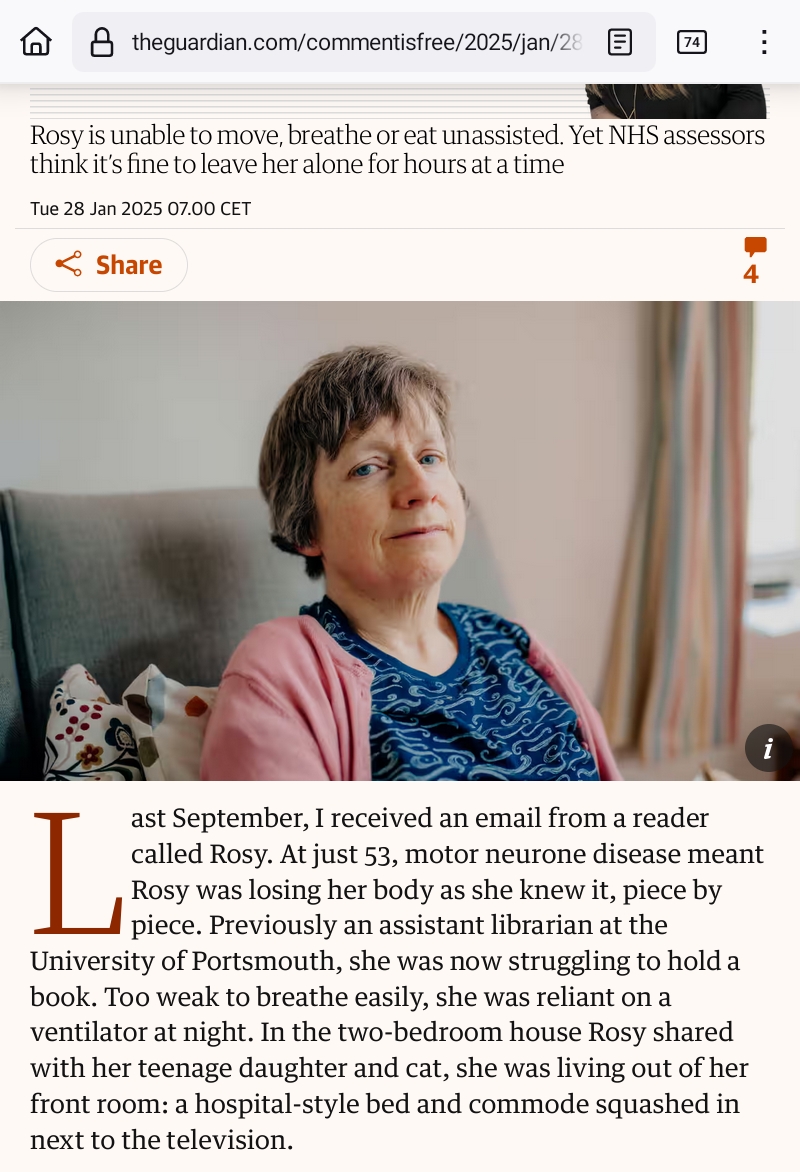
Today, The Guardian has the story of Rosy, a former University of Portsmouth librarian with motor neurone disease.
At the same time, Dutch national news agency NOS reports on the rise of homelessness in the Netherlands. Most homeless people in the Netherlands stay out of view of the system.
It doesn’t take a genius to understand why so many unhoused people in the Netherlands want to stay out of the claws of the system or why they go unnoticed or, rather, aren’t able to receive any kind of useful, practical support anyway.
The Dutch system only exists to keep itself alive these days. It doesn’t serve the country’s citizens. Most or far too many civil servants are busy carrying out civil servant tasks that have no real meaning outside of that system. Other than that, it seems to operate purely on the basis of prejudice. That is so unbelievably off-putting and unhelpful. It forces people to focus on battling that instead of on getting back on their feet.
https://nos.nl/artikel/2553539-aantal-daklozen-stijgt-voor-tweede-jaar-op-rij-tot-33-000
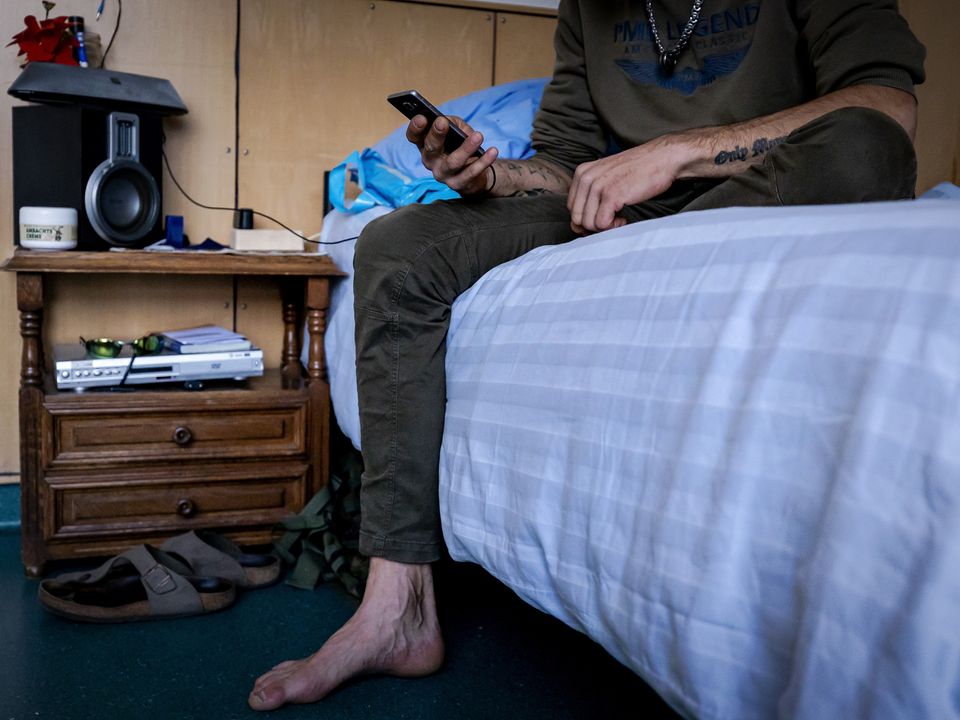
NOS should be ashamed of itself for using the stereotype as illustration. This is one of the reasons why homeless people in the Netherlands want to avoid the system. Because getting ostracized isn’t helpful in any way. It makes things far worse than they need to be.

Nice