Topics that I have been interested in for over a decade now largely fall under the umbrella of bioethics. Bioethics is often perceived as medical ethics or clinical ethics, but that is only part of it. Here is a video from September 2023 that reveals its much broader scope:
When I can, I attend a lot of meetings, many because I really want to, others out of mere curiosity, to see if I might learn something unexpected. To discover that something is not of great interest to me, that is also valuable information.
I currently cannot attend many meetings because I don’t always have internet access.
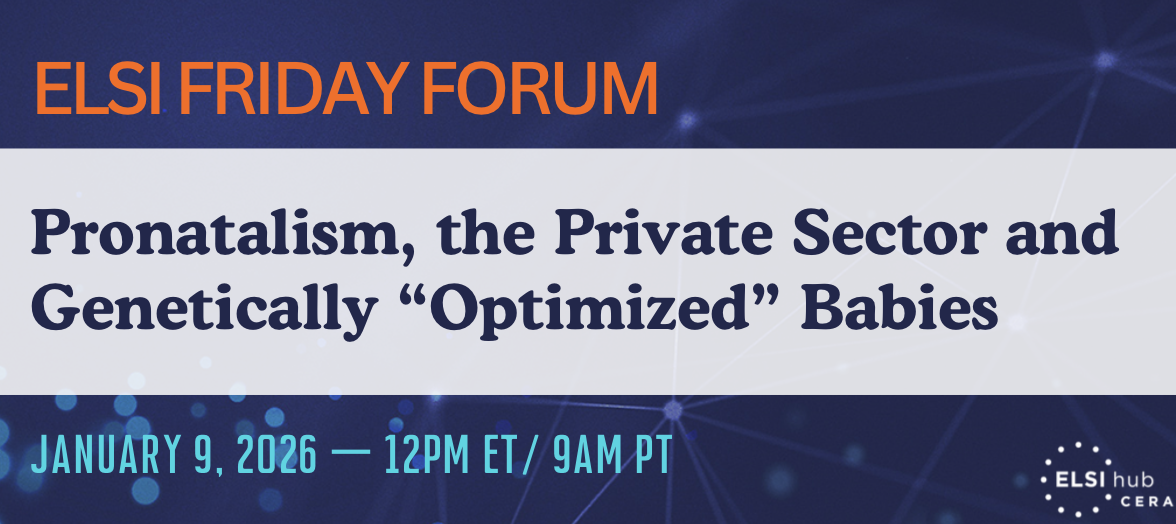
9 January 2026: ELSI Friday Forum | Pronatalism, the Private Sector and Genetically “Optimized” Babies, online
Resources: https://elsihub.org/news/eff-resources-pronatalism-private-sector-and-genetically-optimized-babies
Katie Hasson, PhD
Executive Director, Center for Genetics and Society
Daphne Martschenko, PhD
Assistant Professor, Stanford Center for Biomedical Ethics
Moderator:
Julia Brown, PhD
Assistant Professor, University of California, San Francisco School of Medicine
A resurgence of concern about declining birthrates has fueled pronatalist policies and cultural narratives that valorize reproduction as a social good. At the same time, advances in reproductive genetics are expanding the possibilities for selecting embryos based on genetic profiles, including polygenic risk scores for complex traits. Once limited to rare disease prevention, embryo selection is increasingly marketed as a means of optimizing future offspring. This emerging landscape is shaped in part by pronatalist private-sector innovation and consumer demand, raising new ethical, legal, and social questions about the aims and limits of reproductive choice. Together, these forces situate embryo selection at the intersection of biomedical entrepreneurship, demographic anxiety, and moral reasoning about responsibility, health, and the future.
This ELSI Friday Forum brings together scholars to examine how genetic embryo selection is being shaped by commercial incentives, regulatory gaps, and shifting cultural expectations of parenthood. Panelists will discuss the role of private industry in defining reproductive “choice,” the implications of genetic selection for public trust and oversight, and how pronatalist and market logics converge to influence the governance of human reproduction.
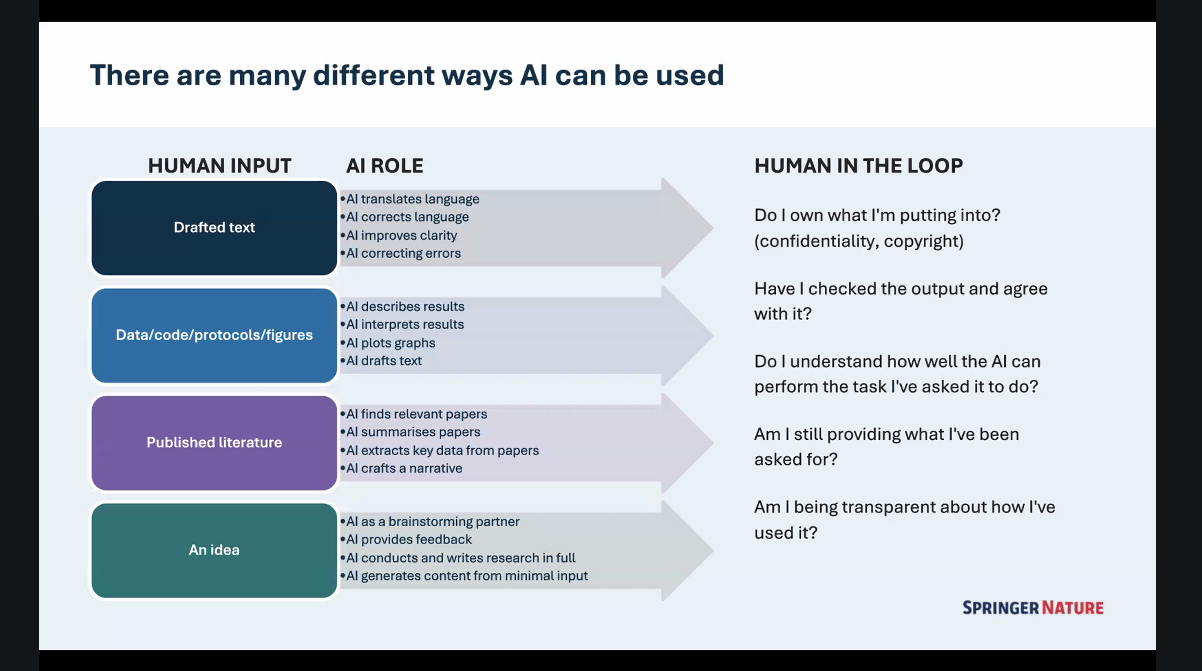
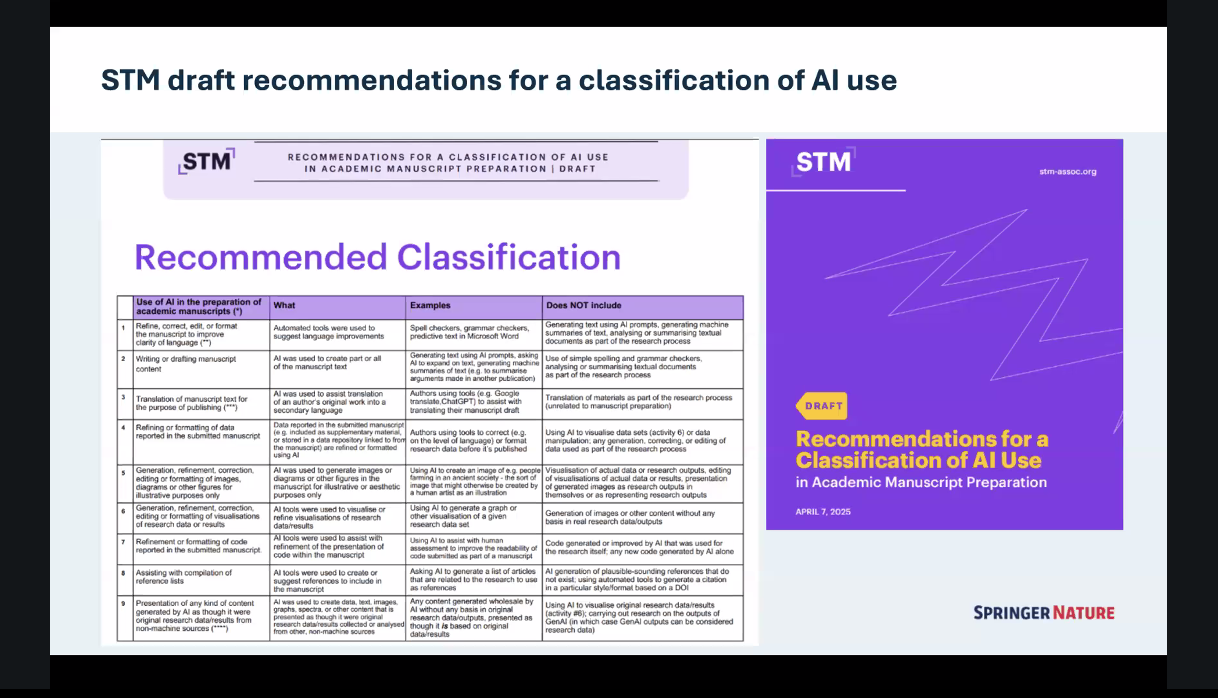
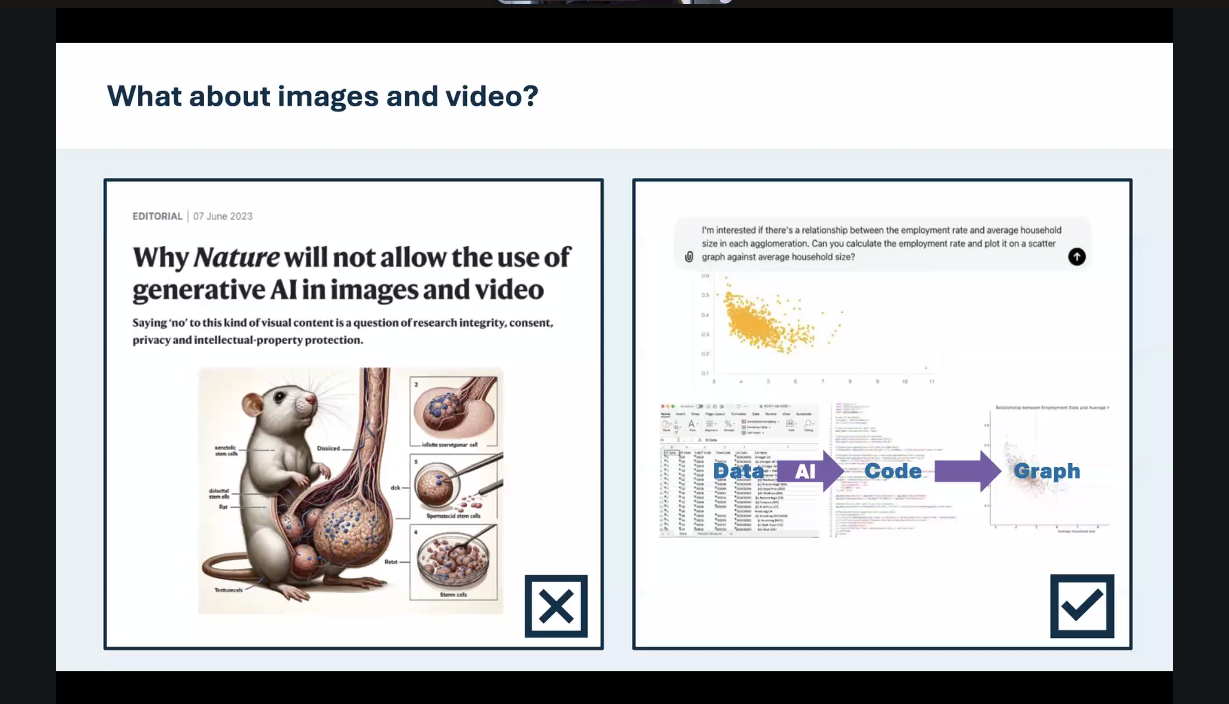
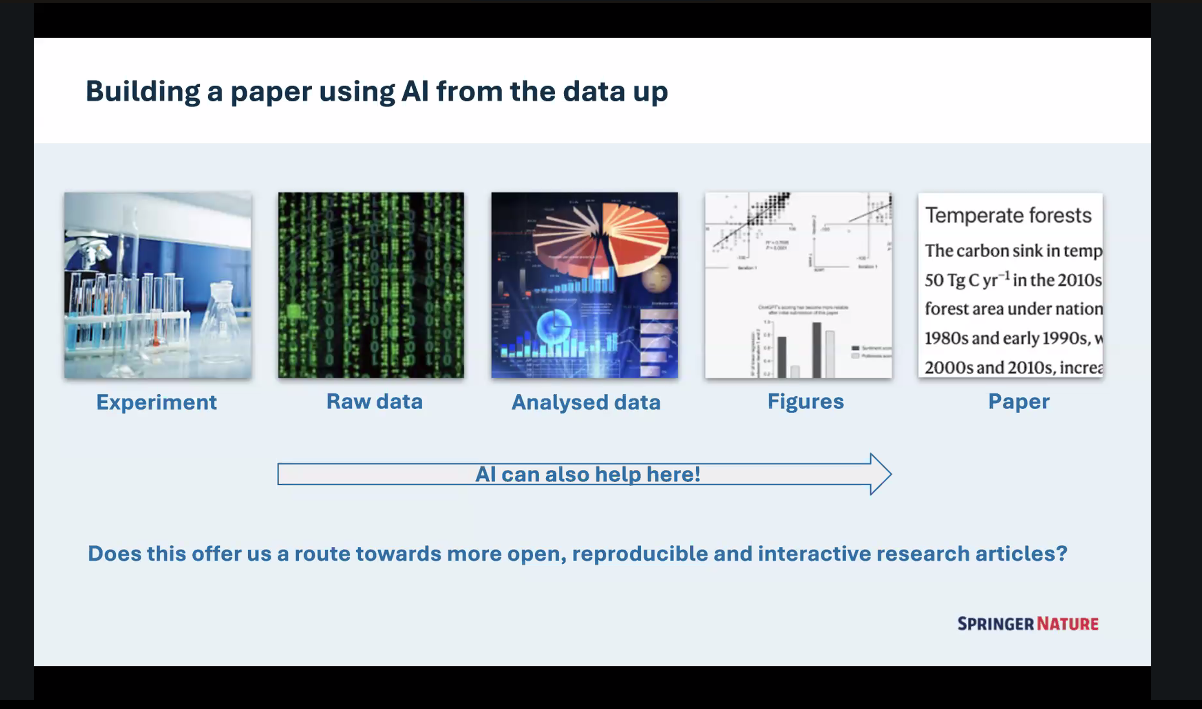
12 November 2025: AI & Scientific Writing, Springer Nature, online
(I’ve edited many papers for others in the past. Anything including AI has ethics angles, in case you wonder why I am still attending something like this, other than loving to stay on top of developments.)
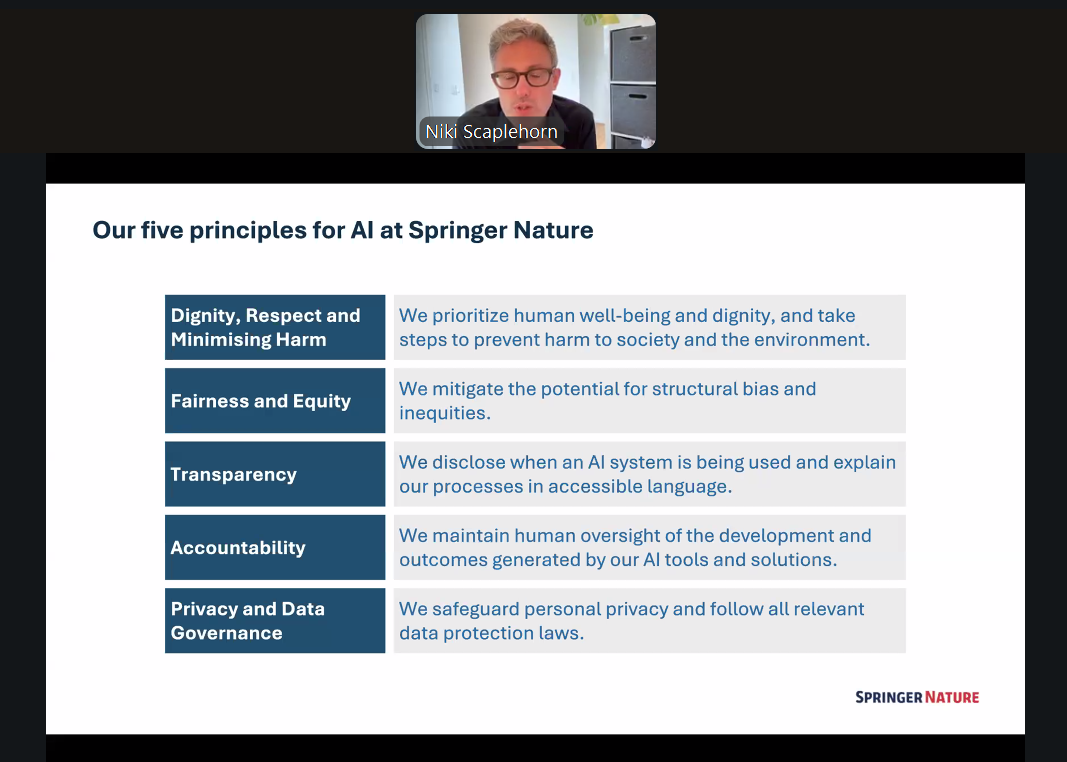
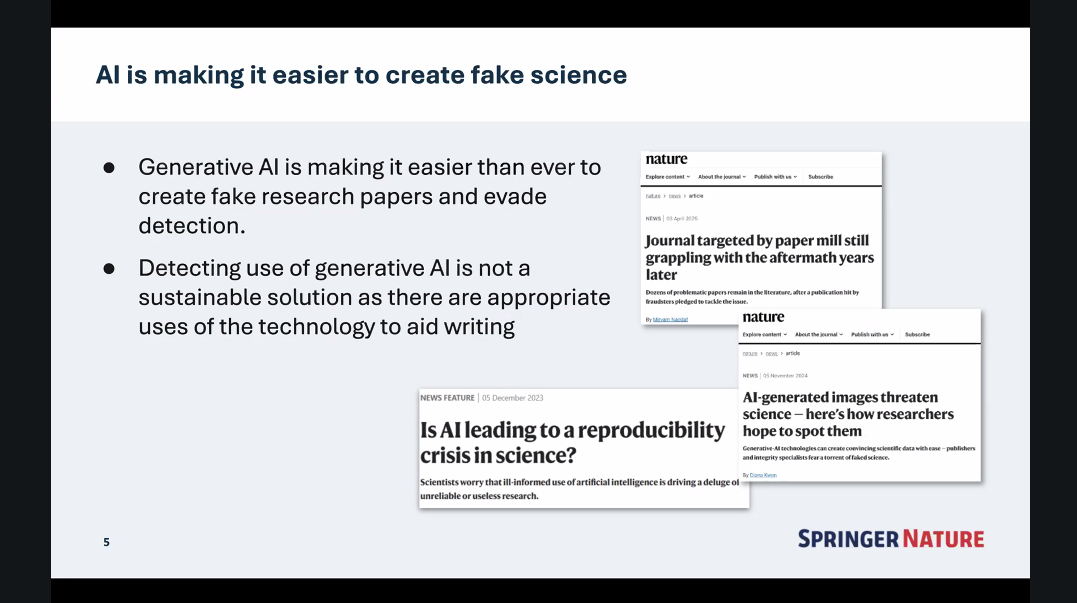
Generative AI is good at summarizing information but can easily come up with fake references etc.
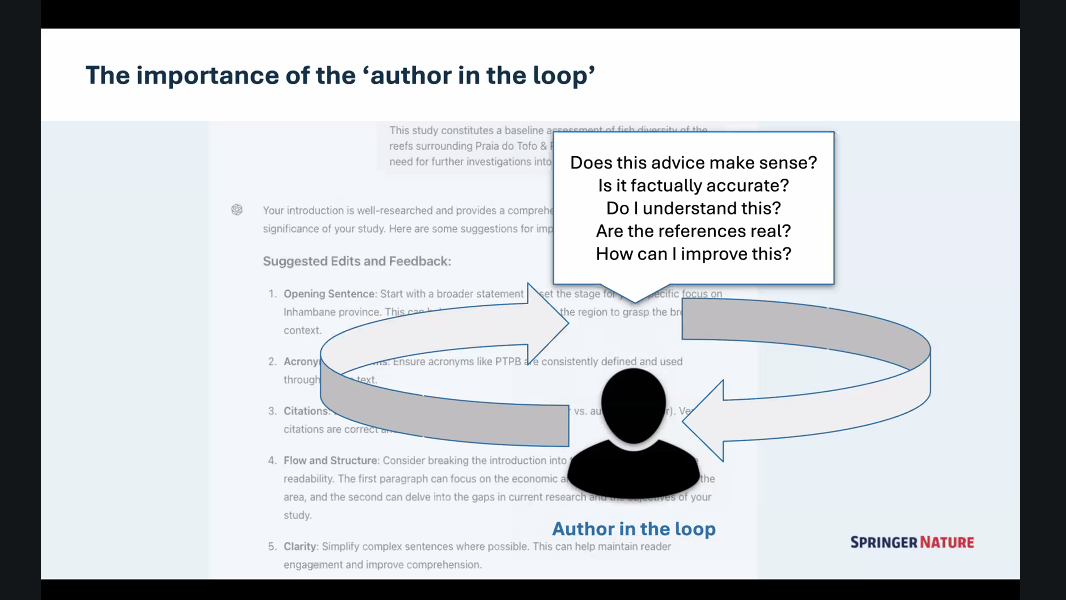
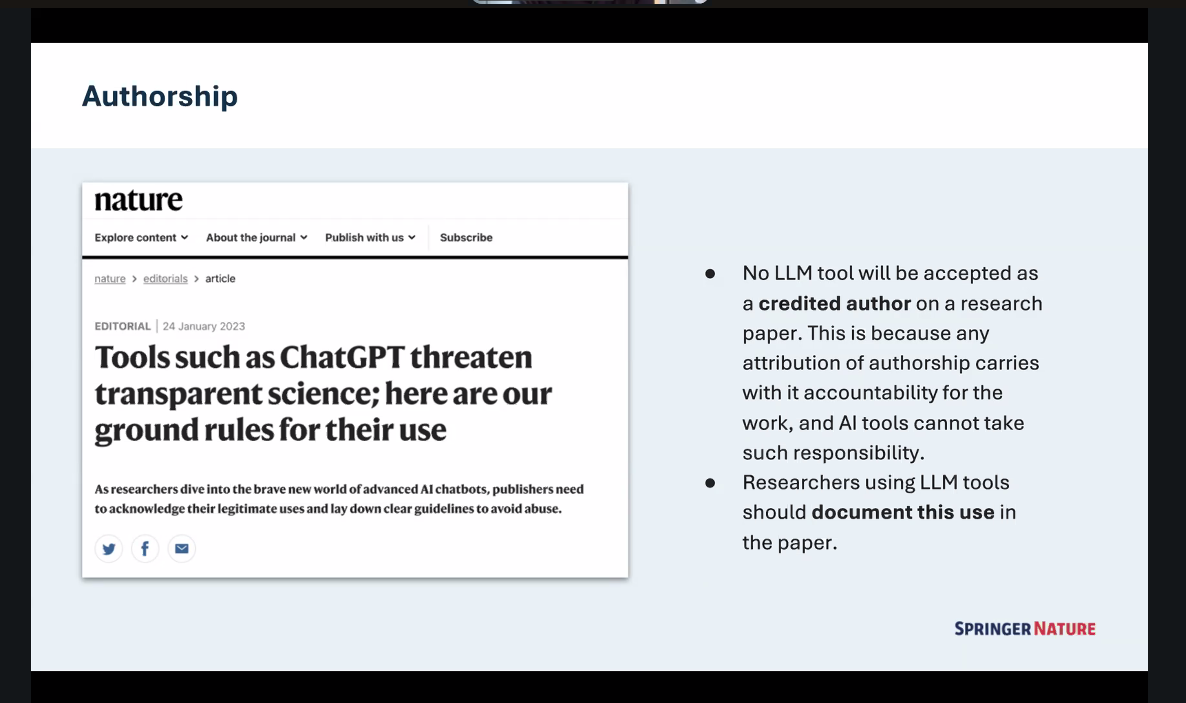
Conclusions
- DO NOT USE AI TO PEER-REVIEW A MANUSCRIPT!
- DISCLOSING WHAT YOU DID IF YOU USED AI AS AN AUTHOR IS BEST
7 August 2025:
Between Expression and Repression: Civic Space in Ethiopia and the Regional Dynamics of Shrinking Freedom (link), Amnesty International, the Committee to Protect Journalists (CPJ), and the Human Rights Program (HRP) Harvard Law School, online
Context: https://www.hrw.org/news/2025/07/29/ethiopia-proposed-legal-changes-threaten-civil-society
12 June 2025: State of London Debate 2025 (online)
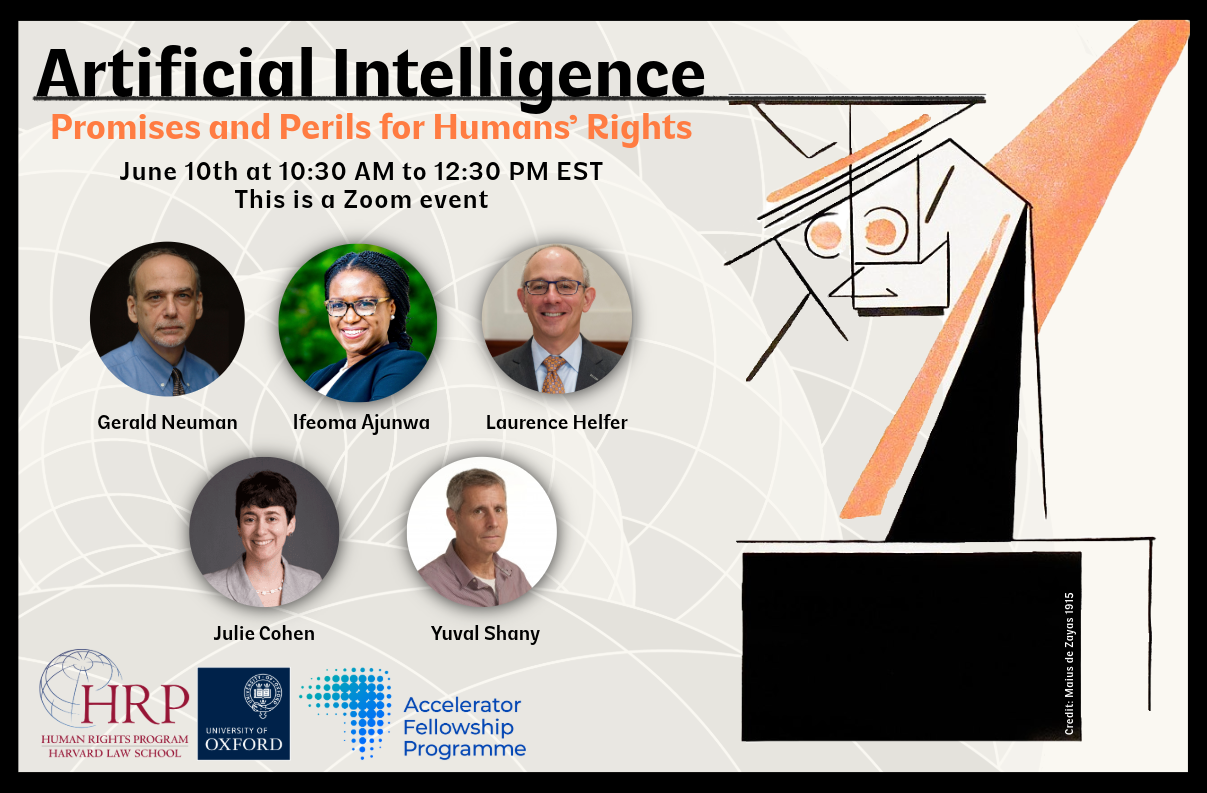
10 June 2025: Artificial Intelligence—Promises and Perils for Humans’ Rights, Harvard Law School, Human Rights Program, online
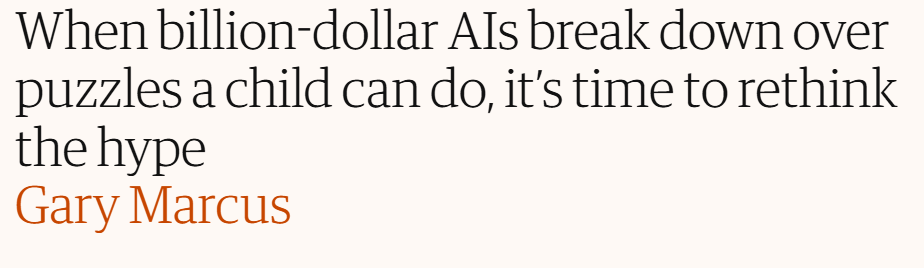
https://www.theguardian.com/technology/2025/jun/09/apple-artificial-intelligence-ai-study-collapse about this paper: https://ml-site.cdn-apple.com/papers/the-illusion-of-thinking.pdf
This https://repository.law.umich.edu/mjil/vol46/iss1/3/ is Laurence Helfer’s and Veronika Fikfak’s paper on Automating International Human Rights Adjudication.
Sadly, this discussion struck me as a little behind on developments (but then, legislation always follows – lags behind – developments too). I didn’t hear anything new (but that’s hopefully because I missed any relevant new bits). I’ve already heard similar considerations several years ago during various other online discussions.
The problem seems to be – indeed – that most lay people have no clue as to how AI works. I think it will be very hard to build in meaningful safeguards without a sufficient level of understanding. I agree with Ifeoma Ajunwa that we have to make sure that AI does GOOD and that we cannot blindly assume that it will. According to the Guardian, Gary Marcus just wrote: “Anybody who thinks LLMs are a direct route to the sort [of] AGI that could fundamentally transform society for the good is kidding themselves.” That’s probably pretty telling.
I considered going into the first AI wave, decades ago, and dove into some of the material back then, but decided that I wanted something much more inter- or multidisciplinary and chose earth sciences. I had no idea at the time of where the second wave of AI was going to take us. It’s extremely multidisciplinary – but it’s a SPLIT field. It’s split between the AI developers and the rest of us, with a few exceptions. We urgently need to bridge that gap. I also agree with what was said in the room that we need global governance on this issue (AI). The same goes for the use of genetic technologies because if we don’t tackle this together, our own national legislation may turn out to be astonishingly powerless. (This can be an alien idea to American scholars because they are so used to thinking within the constraints of the States.)
I’m not a technology fiend, to the contrary (although this aspect of technology use bothers me). I use ChatGPT quite often, for example. I ask it to translate bits of text for me because it does it much faster than I can. I also ask it questions, and it sometimes comes up with things I had not heard about yet because it also can search the web much better and faster than I can (and Google itself is no longer cutting it because it wants to sell me things, not help me find what I am looking for). I’ve also noticed that it quickly starts spinning in circles if I challenge it just a little. If I point out something where it went wrong, it instantly tends to start echoing me. It wants me to like it, and see it as a kind of friend. I wonder about its potential impact on people who believe that ChatGPT has any kind of wisdom or omniscient properties and who lack the life experience to recognize otherwise. We are currently living in a vastly divided world, not just politically speaking or economically speaking but also cognitively speaking.
A lot of law can definitely be handled by AI because well-written legislation often basically follows a set of IF-THEN questions. It’s discretion that AI can’t handle. It’s (also) indeed the ability to recognize that humans differ from houses, and how, in which AI is handicapped. (I think this was mentioned during the discussion.) AI – or at least ChatGPT – is currently also likely to “reason” along the lines of “every human being of 55 or over has dementia” because it will find this and other biases echoed around the web (and it is likely not able to discern well yet what is biased and what is not, for starters because we humans aren’t capable of it either). (From this, it follows that AI – certainly ChatGPT – often draws conclusions on the basis of appearances, rather than facts.) I don’t think that AI should get personhood with human rights (which also came up during the discussion and which I had not heard being said within an academic context yet, but I was not paying close attention at the time; this would be an instance of the legal field getting ahead of reality, which is interesting).
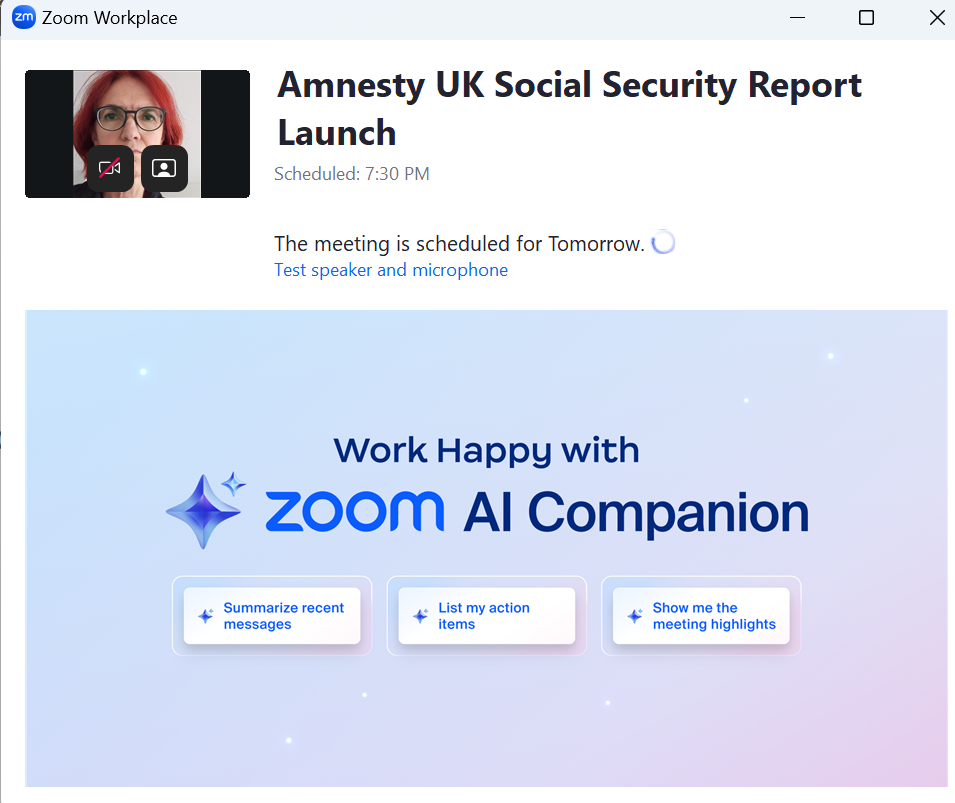
7 May 2025: The Devastating Human Rights Impact of Social Security Failures in the UK, Amnesty International UK, online (and on-site in Manchester; report launch) (was unable to access the meeting; kept saying “scheduled for tomorrow”) (caught up on 24 May: https://www.youtube.com/watch?v=GSjJbAjqnIQ)
4 December 2024: Consciousness from the beginning of life? Department of Psychosocial and Psychoanalytic Studies, University of Essex. Onsite and online.
13 September 2024: Enhancing Access for Historically Marginalized Populations Using the Translational Genomics Pipeline, ELSI Friday Forum, online
12 September 2024: Utrecht, Netherlands, symposium about the role of power in research, organized by Rathenau Institute. Here’s the link: https://www.rathenau.nl/nl/terugblik/wees-je-bewust-van-macht (I signed up but decided not to attend.)
27 June 2024: Is Gene Editing a Sustainable Food System Solution? A Bigger Conversation, online
(I was unable to access this session live, strangely enough. I later watched the recording and became unpleasantly surprised at some point. It was still important to watch because it’s always good to see how misinformation and conspiracy theories can come about.
I’ve previously learned how clumsily phrased / inconsistent / unexplained but publicly available information on the EMA website (!) was actually the source for some of the COVID vaccine conspiracy theories. If someone who actually believed those conspiracy theories had not told me about this, I would not have known. It’s important to keep communication lines open and keep dialogues going. Demonizing people who believe conspiracy theories is not always helpful, for example, because the source for their beliefs can actually be legit and then you won’t be able to correct the flawed information that is handed to the public because you won’t know about it.
In this case (this online event), because I recognized some of her sources of information because I dabble in many different things, I was able to see that a now retired ETH Zürich scientist appeared to be going off the rails, otherwise I too might have taken what she said at face value. I was a little shocked, frankly.)
12 June 2024: Health Equity Day, Boston Globe, online
14 May 2024: Does Fairtrade actually work? Freedom United, online
22 April 2024 etc: Sustainability Week, Boston Globe, online. I signed up for three events.
12 April 2024: Why Film and TV? ELSI Research and the Public Imagination, ELSI Friday Forum, online (This is basically about communicating science to the public, possible misconceptions and about involving the public in the discussion.)
1 April 2024: “When youth sue to protect the planet and their health: Inside a bold legal strategy to fight climate change”, Petrie-Flom Center and Harvard T.H. Chan school of public health, online
(Didn’t attend, because I was enjoying a Merlot, forgot to reset my alarm and was fast asleep by midnight; this event ties into the event that I attended on the 29th and so I probably did not miss too much.)
1 April 2024: Abortion and Jewish law, Petrie-Flom Center, online
(That was interesting. I used to have a Jewish friend who was a physics professor, later studied Jewish writings at UCL and became a rabbi; she’s occasionally talked with me about some of these things. I’ve also attended at least one previous event that discussed bioethics topics from an Islamic point of view. It’s good to be aware that not everything in the world works the way white Christians or white atheists do things.)
29 March 2024: The Role of Courts in Advancing the Right to a Healthy Environment: Lessons from Latin America, Petrie-Flom Center, online
8 March 2024: The impact of Dobbs on emerging reproductive technologies, ELSI Friday Forum, online
5 March 2024: In Science We Trust? Hastings-Knight Science Journalism Program with NYU bioethicist Lauren Taylor, journalist Nicholas St. Fleur of STAT News and scientist Christopher Reddy of WHOI’s Department of Marine Chemistry and Geochemistry, online
(I have a marine biogeochemistry background, been to WHOI, been reading STAT News for years, officially been into bioethics since 2016, and have years of science writing in my backpack too, so this event is a definite yes for me.)
Links:
https://www.niemanlab.org/2023/12/science-journalism-has-its-defector-moment
https://onlinelibrary.wiley.com/doi/epdf/10.1002/hast.1516
Important takeaway no. 1: “You can be super super smart, but if [you get paid so little that] you are struggling to meet your basic needs, how much time do you have left to contribute to society?”
(3000 jobs recently lost in science journalism: NatGeo, Wired, Vice, Buzzfeed, LA Times etc etc)
Important takeaway no. 2: Scientists must not only communicate facts much more clearly (“we/I don’t know” is used too often) but also their values. Scientists must learn to understand the wants and needs of people who ask for the science knowledge and realize that many other people are really smart too, not just scientists.
26 February 2024 etc: Boston health and biotech week, Boston Globe, online. I signed up for three events.
28 November 2023: ERC Annual Conference 2023, Research on Diversity & Diversity in Frontier Research, Brussels/online
26 October 2023: Islam and bioethics, Columbia University, online.
26 October 2023: “Green Industry Alternatives to the Coal Mine in Cumbria“, with Scientists for Global Responsibility. Online. (Unable to attend. Sound problem.)
28 September 2023: The future of bioethics, Columbia University, online. https://sps.columbia.edu/events/future-bioethics-challenges-visions-and-opportunities
27 September 2023: Foundations of Grounded and Engaged Normative Theory (part of the preparation of the new Oxford Handbook of Grounded and Engaged Normative Theory), with Paul Apostolidis (London School of Economics), Peggy Kohn (University of Toronto), Sungmoon Kim (City University of Hong Kong), and Brooke Ackerly (Vanderbilt University), organized by VanderBilt University, online.
27 July 2023: Examining the case of the Supreme Court vs. Ethics. Campaign Legal Center, online.
12 May 2023: Women’s experiences of policing: where do we go next? Fawcett Society, online, wasn’t able to attend, caught up later
9 May 2023: Follow the Money! Understanding the structural incentives for inequity in healthcare and beyond. American Medical Association, online
This session was recorded and is online at https://edhub.ama-assn.org/ama-center-health-equity/pages/national-health-equity-grand-rounds
31 March 2023: Boys online: Parenting against Internet Misogyny, Fawcett Society/Equal Play, online, wasn’t able to attend, hope to catch up later
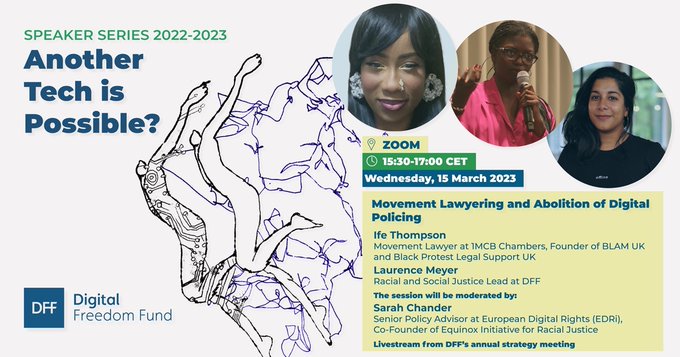
15 March 2023: Movement Lawyering and Abolition of Digital Policing – Another Tech is Possible?, Digital Freedom Fund, attended online
11 February 2023: ‘Looking Back into the Future: CRISPR and Social Values’, University of Kent, online
10 February 2023: Indigenizing Genomics and Advancing Indigenous Data Sovereignty, Hastings Center, online
8 February 2023: Should We Change “Chimeric” Human-Animal Research? Hastings Center, online
25 January 2023: Roundtable discussion: The Promise and Perils of Social and Behavioral Genomics, Hastings Center/National Human Genome Research Institute, online
https://www.genome.gov/event-calendar/roundtable-discussion-the-promise-and-perils-of-social-and-behavioral-genomics
https://www.ashg.org/publications-news/ashg-news/statement-american-society-of-human-genetics-board-of-directors-on-the-report-of-the-ashg-facing-our-history-building-an-equitable-future-initiative/
https://www.thehastingscenter.org/genomic-findings-on-social-and-behavioral-outcomes-faqs/
13 January 2023: Wrestling with Social and Behavioral Genomics, Hastings Center, online
December 2022: Autism, Stress & Anxiety, online course module, National Autistic Society, UK
7 December 2022: Open Seminar – The Voice of Autism: Contemporary Psychoanalytic Perspectives, online (Department of Psychosocial and Psychoanalytic Studies, University of Essex) (registered, missed it, caught up later)
28 September 2022: SCOTUS Watch: What the Upcoming Supreme Court Term Means for Democracy, online (Campaign Legal Center)
21 September 2022: Grad Workshop – Borders and Belonging, online (The Andrea Mitchell Center for the Study of Democracy, UPenn)
19 July 2022: Broken Plate Report Launch 2022, online (Food Foundation, UK)
23 June 2022: Algorithmic bias in healthcare AI: Scientific accuracy and social justice, online (Australian Centre for Health Engagement, Evidence and Values at University of Wollongong)
16 June 2022: Contested decisions in healthcare, online (Oxford Uehiro Centre)
15 June 2022: Authenticity and neurointerventions, online (Oxford Uehiro Centre)
13 June 2022: Food Strategy snap analysis (Food Foundation) (ouch, I didn’t make it in time)
13 June 2022: Introduction to practical ethics, online (Oxford Uehiro Centre)
7 June 2022: AI and National Security: Gender, Race, and Algorithms (Center for Naval Analyses)
5 June 2022, catching up: Racism: The Ultimate Underlying Condition (AMA/APHA, 5 May 2022), A Path to Reproductive Justice: Research, Practice, and Policies (AMA/APHA, 14 July 2020) and Narrowing Health Disparities: One Health System’s Efforts Toward Equity for Underserved Populations (AMA/JACR, 26 May 2022) (I gave up on this after about an hour because at that point hacking interference kicked in that lasted for two hours, during which I basically couldn’t do a thing. I may catch up later.)
5 April 2022: Health Justice in the Americas: The Role of the Inter-American Court of Human Rights (Petrie-Flom Center for Health Law Policy, Biotechnology, and Bioethics at Harvard Law School)
26 January 2022: The Third Year of COVID-19: Is This the New Normal? (APHA/NAM) (was not able to attend)
19 and 20 January 2022: Health Equity Summit (Hastings Center – Health, Science, and Technology Ethics) (I couldn’t get into Zoom)
1 September 2021: The Fourth Wave: Vaccines, Variants, and the Future (APHA/NAM) (was not able to attend)
24 June 2021: State of London debate, online (Mayor of London)
23 June 2021: A Tale of Two Pandemics: COVID-19 and Global Vaccine Equity (APHA/NAM) (was not able to attend)
26 May 2021: Learning to Live with COVID-19 (APHA/NAM)
25 May 2021: CLB Workshop on “The Art of Regulating ART” (Center for Law & the Biosciences at Stanford) (ART – assisted reproductive technology)
11 May 2021: Medact Research Network meeting (Medact)
26 April 2021: Urgent Briefing: Why We All Have a Duty to Kill The Bill (Medact)
31 March 2021: Policing and the Brain: How Neuroscience Can Contribute to Police Reform (Petrie-Flom Center)
17 March 2021: COVID-19 Conversations: Variants and Vaccines (APHA/NAM)
9 March 2021: COVID-19 & Disability: A Holistic Examination of Pandemic Impact (Petrie-Flom Center)
9 March 2021: A Crisis within a Crisis: Food Insecurity and Covid-19 (Food Foundation)
3 March 2021: COVID-19 and the Law: The Disparate Burdens of COVID-19 (Petrie-Flom Center)
12 February 2021: Medical Stereotypes: Confronting Racism and Disparities in US Health Care (Petrie-Flom Center)
21 September 2020: Understanding the Role of Race in Health: A Moderated Discussion (Petrie-Flom Center)
8 July 2020: “The societal impacts of introducing a public health identity system: legal, social and ethical issues” (Oxford Uehiro Centre, online)
7 July 2020: Reopening Colleges and Universities During COVID-19: Keeping Students and Communities Healthy (APHA/NAM)
10 June 2020: The Road to Immunity During COVID-19: Developing & Distributing a Vaccine (APHA/NAM)
27 May 2020: Summer of COVID: Mitigating Direct and Indirect Impacts in the Coming Months (APHA/NAM)
13 May 2020: Toward the ‘New Normal’ — Protecting Public Health as America Reopens (APHA/NAM)
7 May 2020: Digital Digest: “Hostile Environment” measures and the Right to Food (Sustain: the alliance for better food and farming)
29 April 2020: COVID-19 and Health Equity — Exploring Disparities and Long-Term Health Impacts (APHA/NAM)
22 April 2020: Ethical Dilemmas in Mask and Equipment Shortages: Health Care During the COVID-19 Pandemic (Petrie-Flom Center)
16 April 2020: A Panel on COVID-19 with Paul Farmer, Govind Persad and Allison Stanger (Edmond J. Safra Center for Ethics at Harvard)
14 April 2020: Disability, COVID-19, and Triage: Exploring Resource Allocation and the Framing of Disability (Petrie-Flom Center)
27 June 2019: State of London debate, on location in London (Mayor of London)
10 April 2019: The neuroscience of hate, Rebecca Saxe at Petrie-Flom Center, online
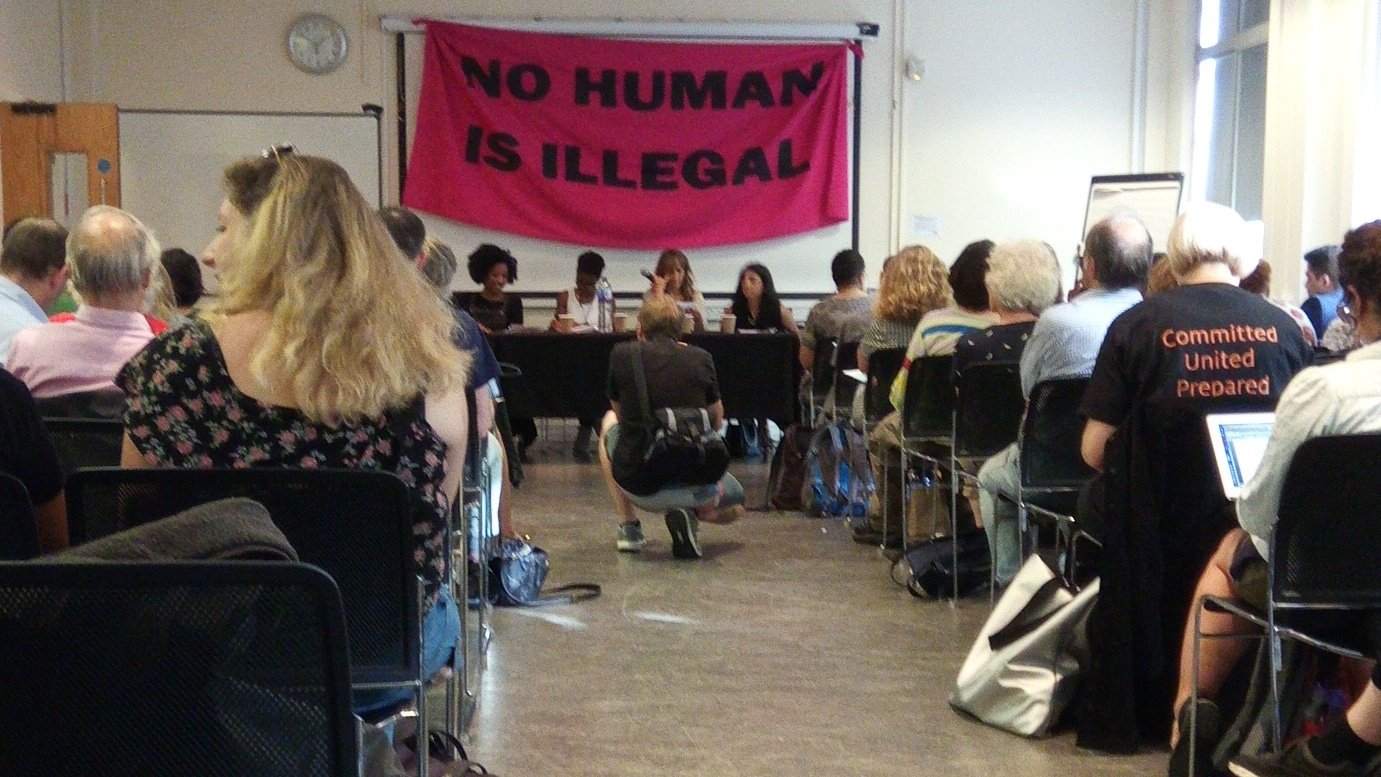
28 June 2018: Beyond Windrush: building the movement for migrants’ rights, on location in London (Migrants Organise, Liberty, Docs Not Cops, Global Justice Now, Walk and Talk Migrant Tours)
1 June 2018: Beyond Disadvantage: Disability, Law, and Bioethics (Petrie-Flom Center Annual Conference, on site) (registered, but unfortunately unable to attend)
24 May 2018: 2018 Annual Uehiro Lectures (3/3): Illness And Attitude (registered, but unfortunately unable to attend)
6 September 2016: Bioethics: The Law, Medicine, and Ethics of Reproductive Technologies and Genetics (Petrie-Flom Center course, online)
2016: Humanitarian Response to Conflict and Disaster (online course, Harvard Humanitarian Initiative)
25 February 2015: ‘In or Out in the European Convention on Human Rights?’ by LSE professor Conor Gearty (Café Jurist organized by School of Law at the University of Portsmouth and supported by Coffin Mew)
2014: Central Challenges of American National Security, Strategy and the Press (online course, Belfer Center for and International Affairs)
9 June 2008: On this day, I had my first appointment of three, all within a few months, for maintenance and repairs regarding an item that I had purchased on eBay. This person turned out to have a so-called narcissistic personality disorder and also an antisocial personality disorder (ASPD, strong sadistic, controlling and manipulative tendencies), possibly combined with autism. How can I tell for sure? I can’t!
(During the third appointment, I witnessed that this person shifted into a different state of awareness, which I then ascribed to dissociative identity disorder or DID as, at the time, I was entirely unfamiliar with how autism can manifest, did not know that I actually have known two autistic people since the early 1980s but did know someone with DID who’s talked with me about this openly. She – the person with DID – was a colleague for a while and grew up at a stone’s throw to the south of where I grew up, and has worked in water management and engineering, whereas a water management and engineering professor whose acquaintance I made at around the same time grew up at a stone’s throw to the north of where I grew up. It’s a small world. Having learned a great deal since and having recently been able to witness masking, I cannot rule out that I merely observed the disappearance of masking in said person at the time. There were a few other indications for the possible presence of autism, such as that he supposedly has synesthesia. He claimed that he heard written text as pitches; if that is true, then it might explain why is so good at faking other people’s emails etc. I didn’t know that until very recently, but sociopathy (ASPD) and autism are not mutually exclusive. Apparently, if people with DID are alone, they switch more frequently, so I used to think that he always wanted to listen to my voice via my equipment for that reason.)
I did not see any of this coming. He began targeting me within 24 hours, with the aid of his hacker brother (who’s either hacked into police computer systems or works within England’s police forces, I should add) and their networks. They next succeeded in whipping up half a town into a frenzy of hate and harassment against me that would go on for about fifteen years and was also joined by the local Establishment, eventually. It was easy. They knew him. Nobody knew me. It included a lot of sadism and even animal cruelty. I filed my first police report in October 2008 (44080-461347) and later filed many more, such as 441402-84491 and 441601-70391, from my next town, but except for that first report, filed in Southampton, asking the police for assistance often made matters (much) worse and it was always a frustrating waste of time and effort at best. I usually didn’t even bother asking for a case number.
Unable to get any support with this, I eventually began looking into personality disorders such as dissociative identity disorder and into neurodiversity. I needed to know what I was dealing with and how to handle it so that my life might become livable, doable again.
Most of what’s been on this website since about 2015 served (besides as a place to vent) to obscure that I had one goal only: to escape. I had gotten trapped in a horrible coercive control situation. I called it sadistic slavery at the time, but the proper term is coercive control. I repeat that I was not able to obtain any support. People in Portsmouth told themselves that I was learning-disabled while I was actually climbing the walls with the frustration of not being able to do a thing any longer, so I did any small thing that I still could do.
I so so so desperately wanted my life back. I made four escape attempts before the pandemic and one after. When some of the abuse followed me after my fifth escape attempt, in 2023, I was devastated – and terrified. My fifth escape attempt had failed, purely because I had needed to disappear and disappearing requires a substantial amount of money if nobody’s actively supporting you.
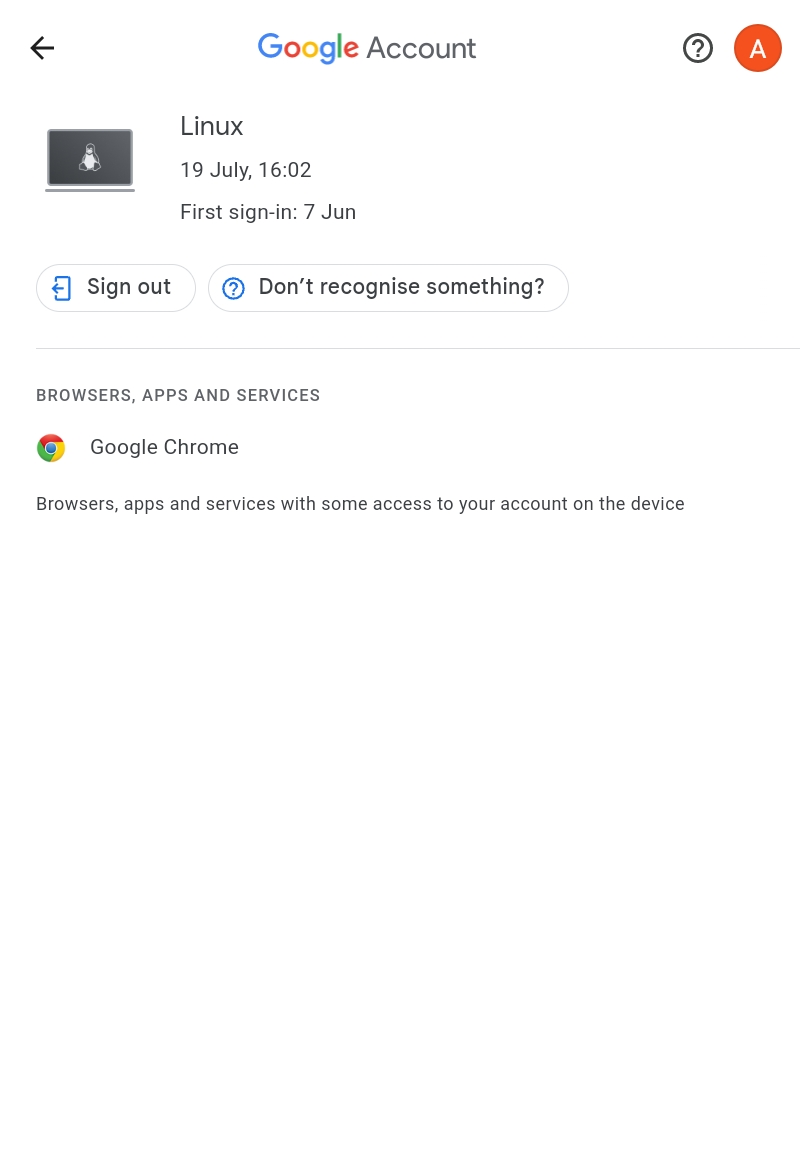
My tablet got accessed from a Linux computer at the beginning of June 2023 and I became pestered and sabotaged again. (The tablet possibly got cloned.)
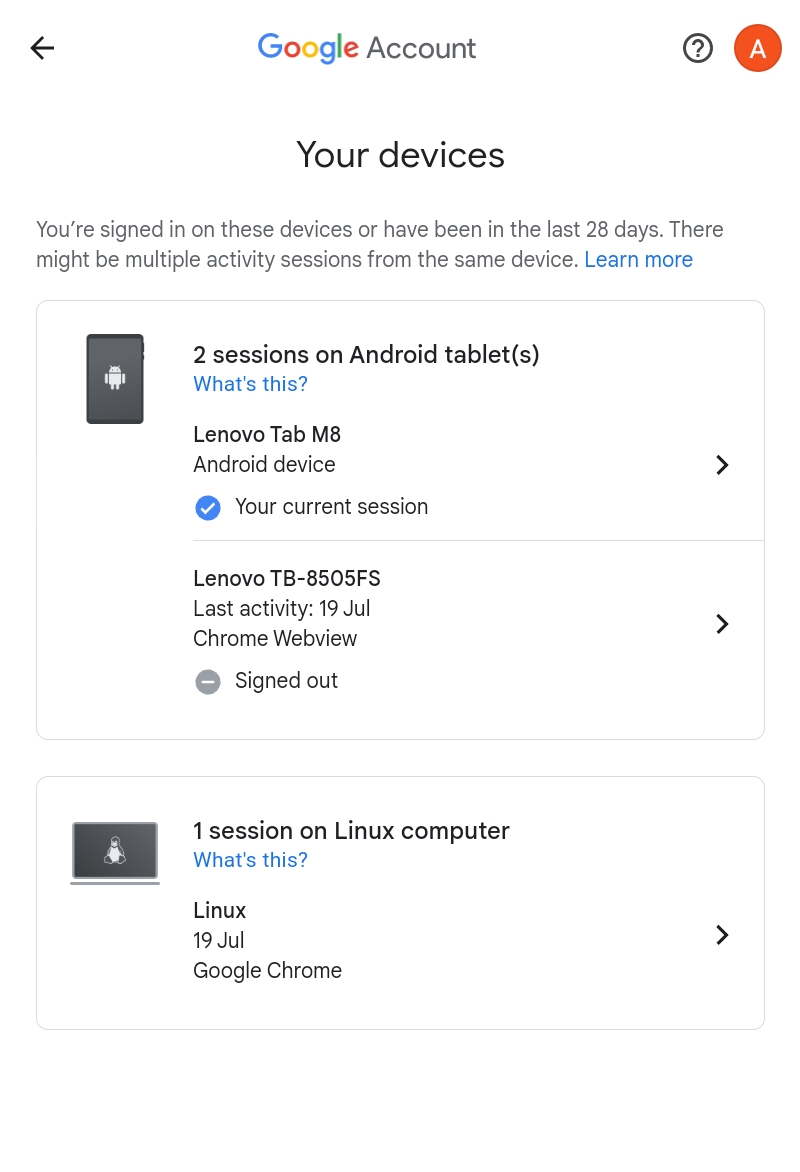
A little later, a computer I purchased became tampered with as well. Below you can see that it showed my location as “Shomron Regional Council, the Netherlands” in my weather forecast. That was in December 2023.
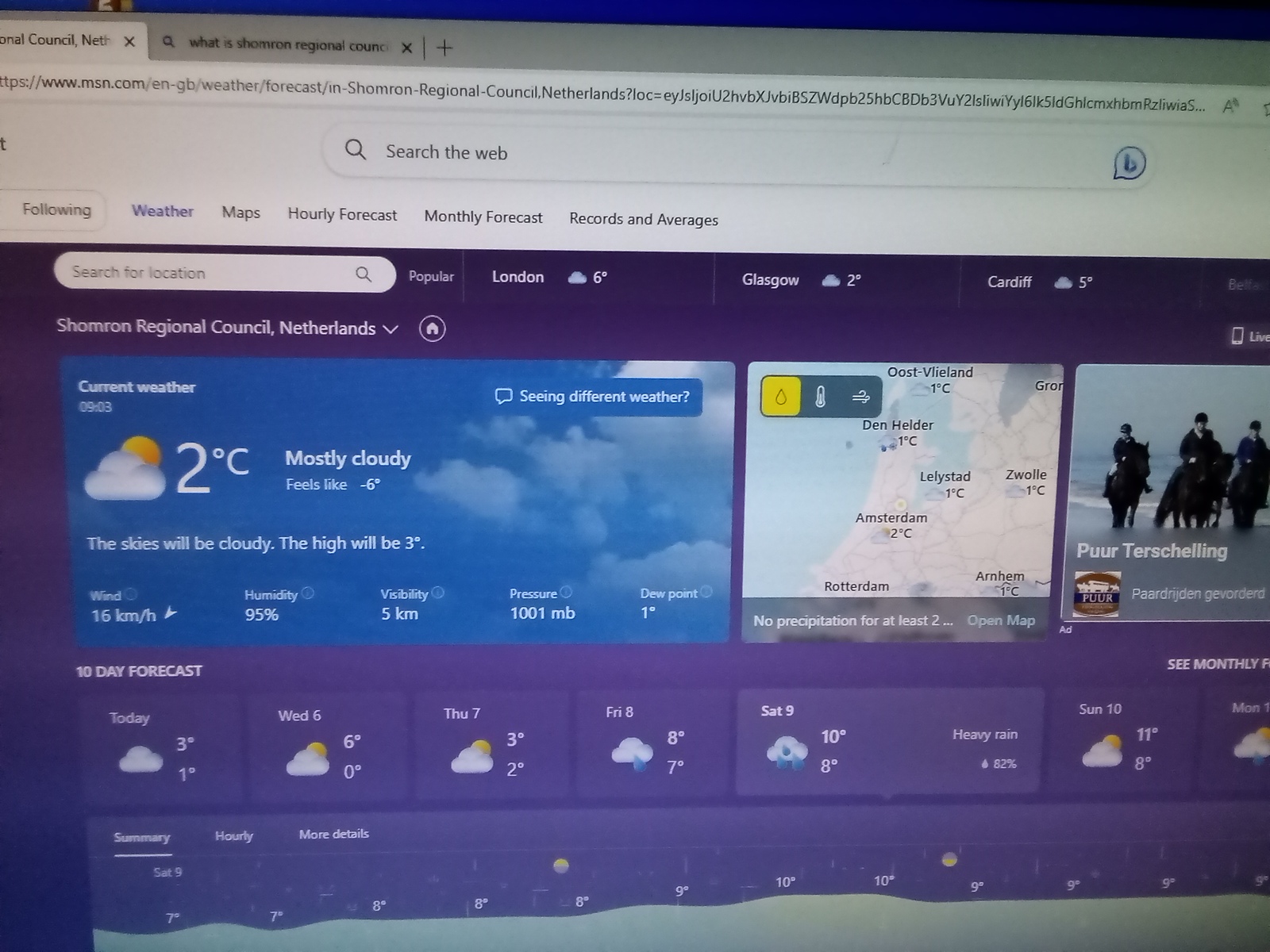
As anything can get hacked and as in the Netherlands, every step you take is recorded somewhere and you are legally obliged to register every cough, fart and sneeze, hackers can always find you again and so can anyone who’s obsessed with you and who may be intent on harming and hampering and pestering you, even more so if he is well connected in the hacker world.
My tormentor uses everything as an opportunity to abuse you, to make you look like an idiot to others, turn everything into a prank, sets you up, all the time. “She’s been in a car crash.” “She has a problem with telling time.” “She’s a little slow.” “Do me a favor, give her a job interview” and then people ask me if I know what a calendar is, for example.
None of this should ever have happened, not to me, but not to anybody else either. Nobody in that vile hateful town wanted to listen to me, to support me. I was so desperate in the end, so fed up with the constant lock-picking for example, that I even started telling people – including an Englishman who attended the same damn English Ivy League university as I but who apparently felt that while he had a right to live his life in freedom, I did not – that I was going to start killing people just to force them to listen to me. Even that got ignored. I had the right to be allowed to live my life like I had been allowed everywhere else except there. I had sat down one evening and went through the universal declaration of human rights and was shocked to find that almost all of them had been stripped from me in that town.
I looked horrible in June 2008, really awful. That probably was what got me targeted. I had so much trouble finding a decent hairdresser and I was living a pretty miserable life. To everyone who knew me before I moved to England, what I looked like back then was a bit of a shock. (Yes, one person actually said so.) I expected to leave the UK soon as England and I weren’t getting along. I found the hate for migrants and also the rampant hate for women pretty hard to deal with, not to mention the violence and all the rest. I’d already been attacked in the streets once back then in the kind of attack that had previously cost the life of a man called Ernest Norton. I got in touch with his widow after I had been attacked. He was attacked in 2006. I was attacked in 2007.
(Back then, I actually had a printed traceroute that showed diversion of my internet traffic, but you can’t take that to the cops because they have no idea what a traceroute is.)
In the recording of that police interview, I can be heard saying more or less the following to the police: “Can you PLEASE ask this guy what on earth he wants from me, so that I can give him an answer and he can continue with his life again?” This police officer I spoke with also said something about said person having not been present at a certain music event – a commemoration after someone’s passing – that I had deliberately decided NOT to go to just to avoid running into said person even though I had wanted to go (because I didn’t want any trouble; I’d already encountered enough animosity in England by then).
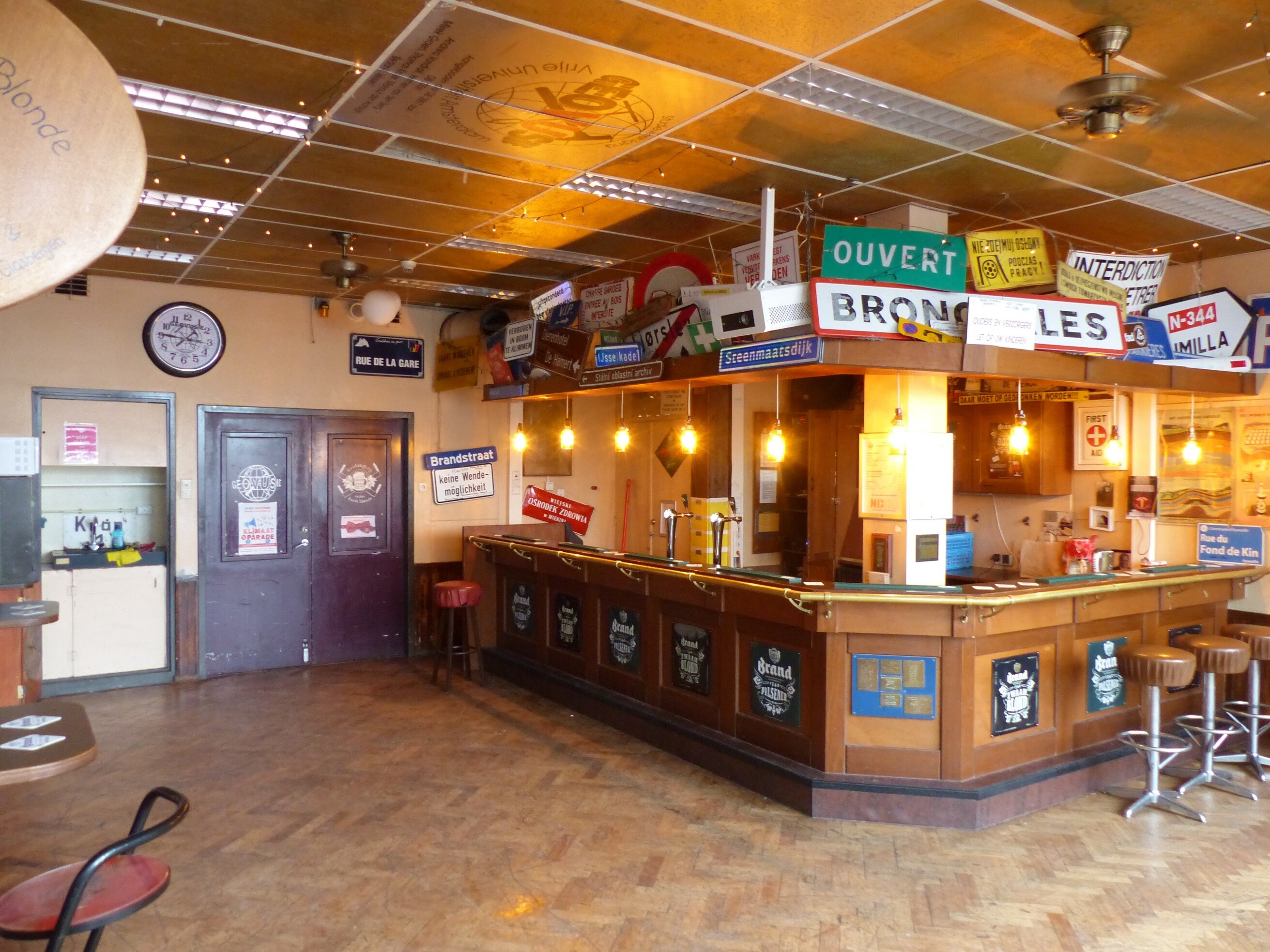
You can see the arrest as a badge of honor, although it badly hampered me in my search for income at the time. Every type of activist gets arrested at least once. I wasn’t an activist back then, but the knowledge that you can’t be an activist without getting arrested, and often frequently, puts a different slant on this experience. Dutch male geology students used to get arrested in Spain, while on fieldwork, and eyeing the girlfriends of local Guardia Civil officers in the days of Franco, too, or more generally, in various countries, for their hobby of stealing street and traffic signs for their collection.
Stealing signs is something that geologists used to do a lot and maybe still do. The above photo shows the “drinking home” of the geology students association at the university that I graduated from with my Master’s. I can spot a road sign for Jumilla (N344), Murcia, in southeastern Spain, an area where I too did fieldwork.
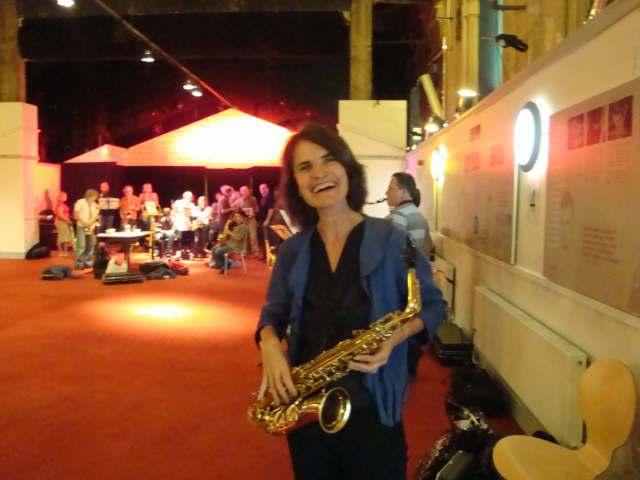
October 2007: Genomics – From humans to the environment – J Craig Venter, Distinguished Public Lecture, Oxford, IRL
May 2004: Participant workshop “Zapping through cultures” (Berenschot), Utrecht
Before this, it was mostly earth and life science events such as the ones below and training related to grants and subsidies (see CV).
May 2003: Attended Millipore seminar
April 2003: Attended symposium “Bèta Boeiend in Beeld”, held at the University of Groningen
March 2003: Attended SOLAS workshop, held at KNAW in Amsterdam
November 2002: Panel member at symposium for women scientists in the Netherlands (Netwerk van Informaticae, Mathematicae en Fysicae)
June 2002: Attended Ironages Meeting at KNAW in Amsterdam
