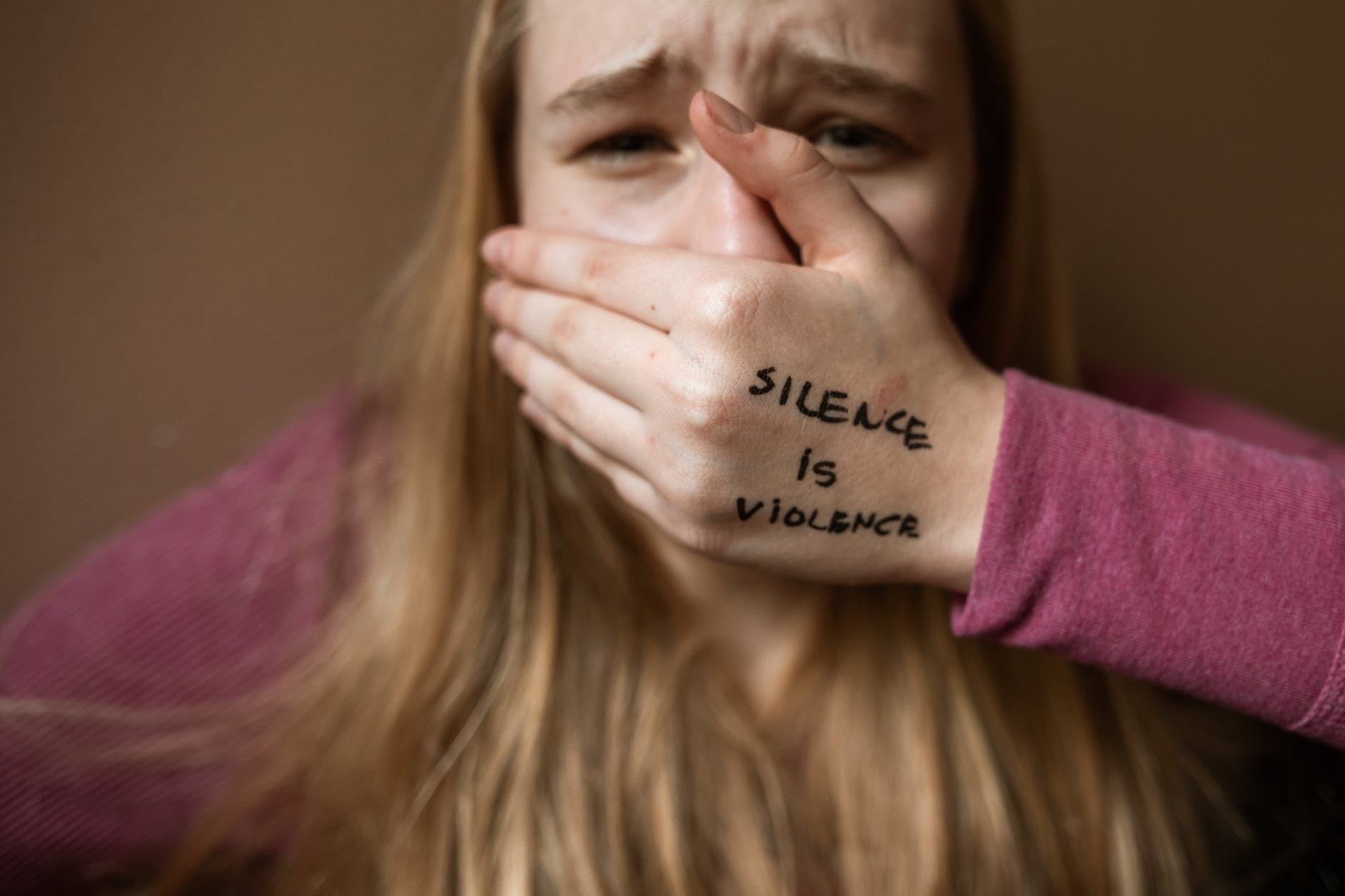
Victim-blaming is a form of otherization. It is also a – or perhaps even the same – psychological mechanism intended to reassure oneself.
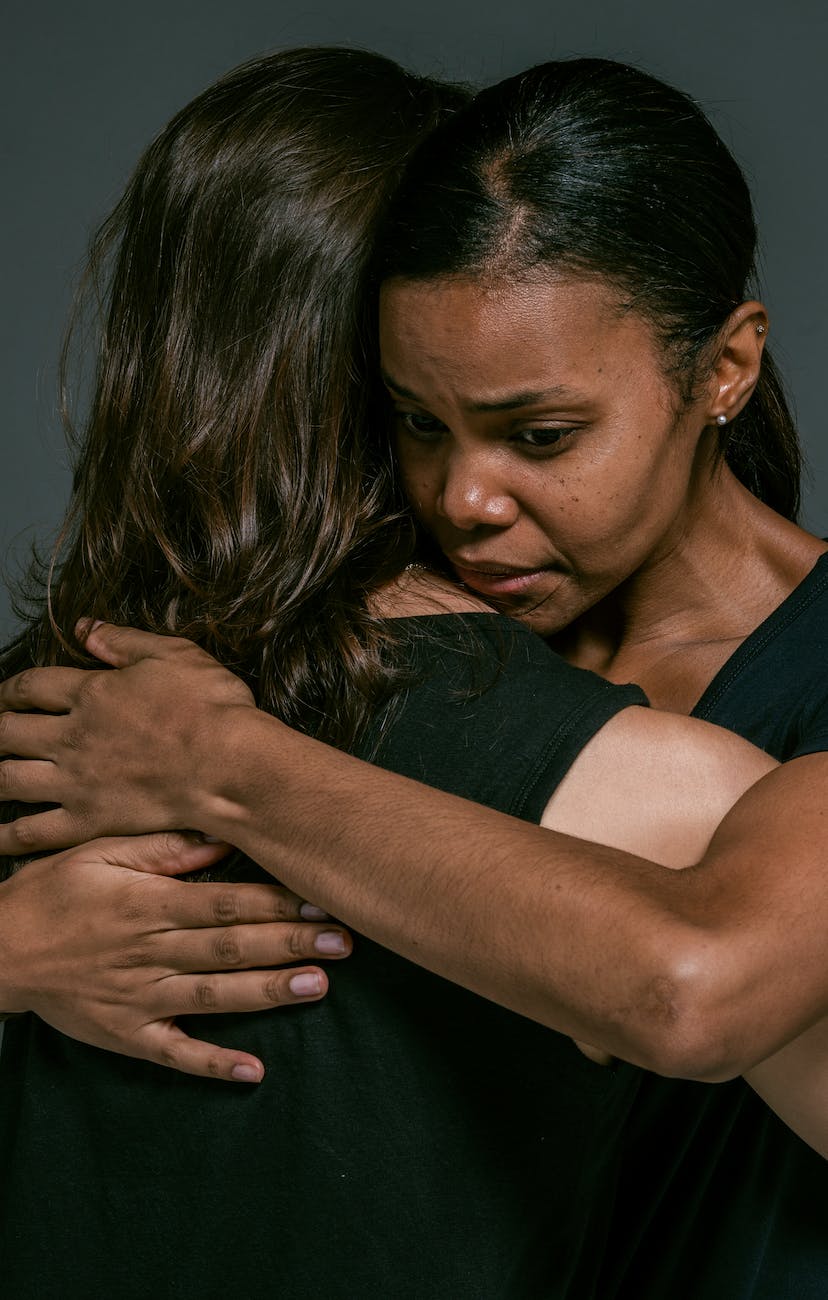
Why is it that people often turn against the victims of horrible things such as rape, famine and war crimes or strange, incomprehensible things such as hate group activity?
Because what happened to the victims upsets people’s beliefs about how the world ticks so badly and about how safe they and their loved ones are that they experience the victims as a threat, on a visceral level.
It makes them want to distance themselves from the victims. This is why they may ridicule victims. This is also why people often assign blame to victims in any way they can. It reassures them that what happened to the victim will never happen to them or to any of their loved ones.
This is also why the worst that a government can do within the context of migration challenges is separate, concentrate and isolate refugees and asylum seekers. It whips up fear and causes tensions on both sides.
Refugees and asylum seekers have experienced things that make most of us very uncomfortable and that deeply undermine our sense of security, things that we would rather not think about. We deal with it by turning against refugees and asylum seekers.
The only way to break through this type of otherization is to interact with the people who have suffered the kind of horrors that we don’t want to think about.