The Guardian brought the news too.
Clinical ethics case: patient autonomy versus medical misinformation
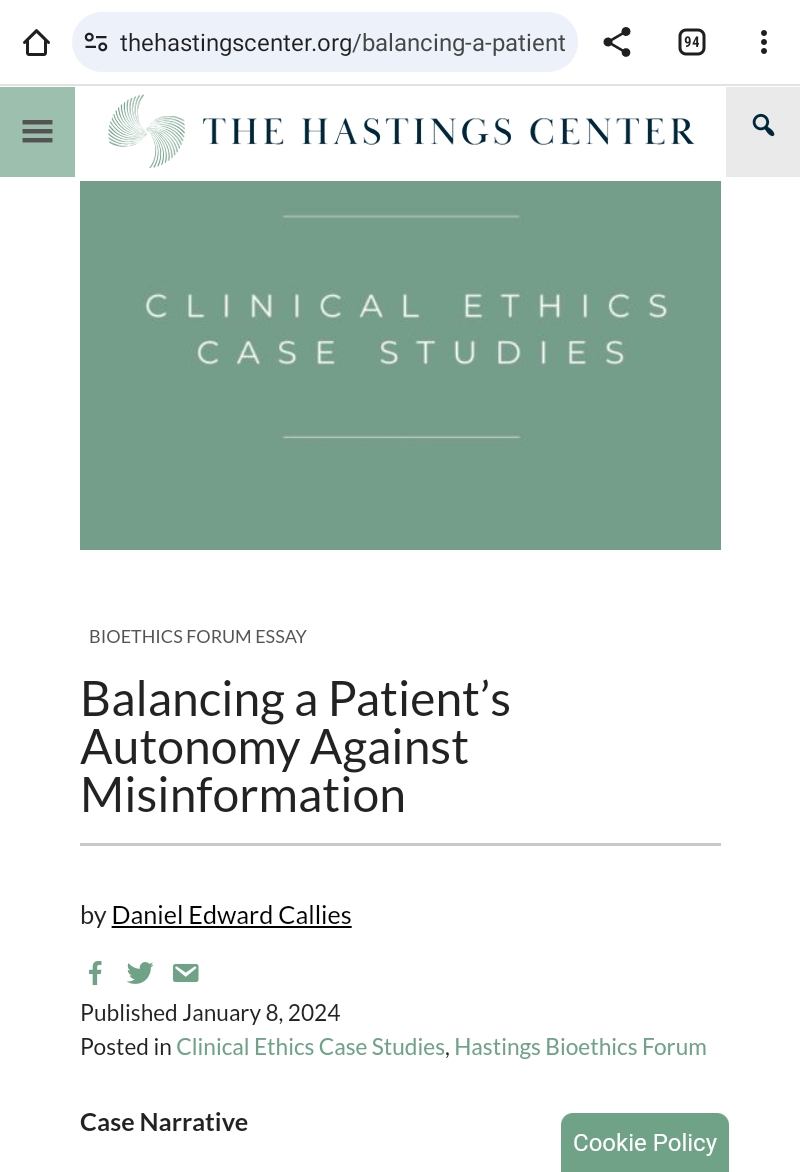
Interesting reading on the site of the Hastings Center:
https://www.thehastingscenter.org/balancing-a-patients-autonomy-against-misinformation/
Thoughts (personal)
One of the things that I discovered after I left Portsmouth was that my father disinherited me in his last will.
At first, that sounds horrible. I initially took it at face value, as a final growl.
Continue readingDocumentary: the dirty war on the NHS (health inequity)
Marmot, not Marmite

Stalkers don’t exist
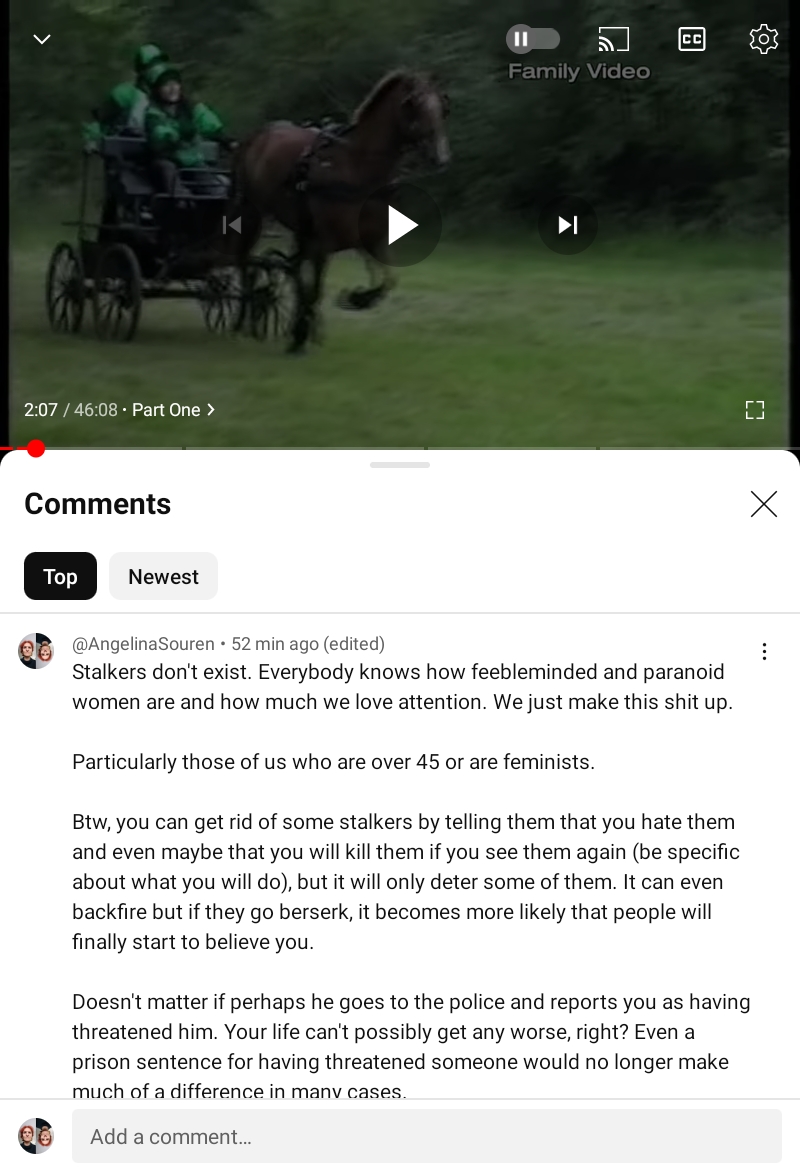
Let’s zoom in.

You might want to read this book…

1–2 minutes
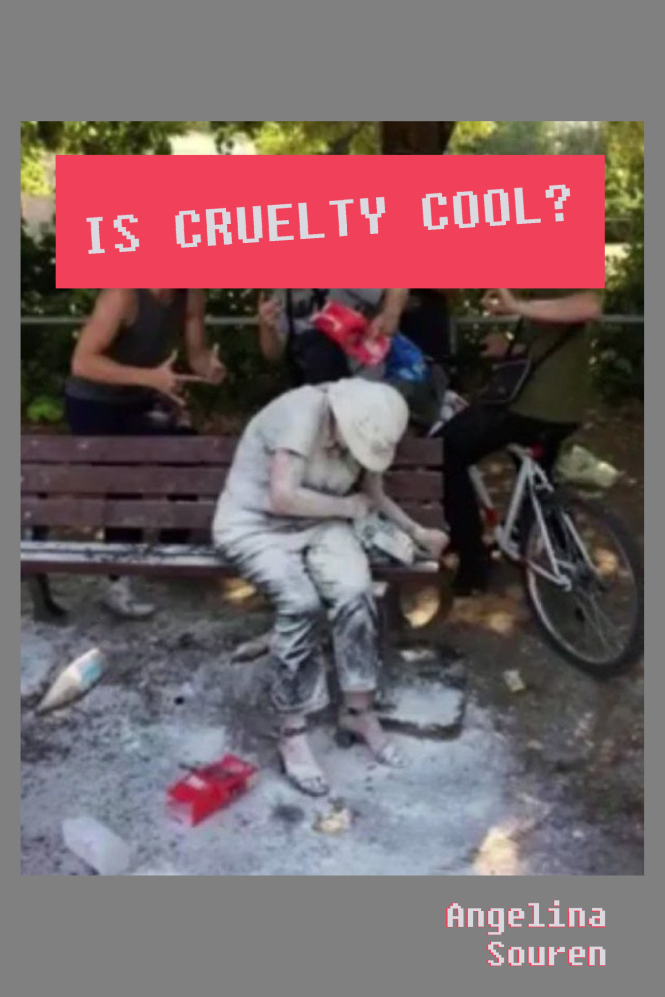
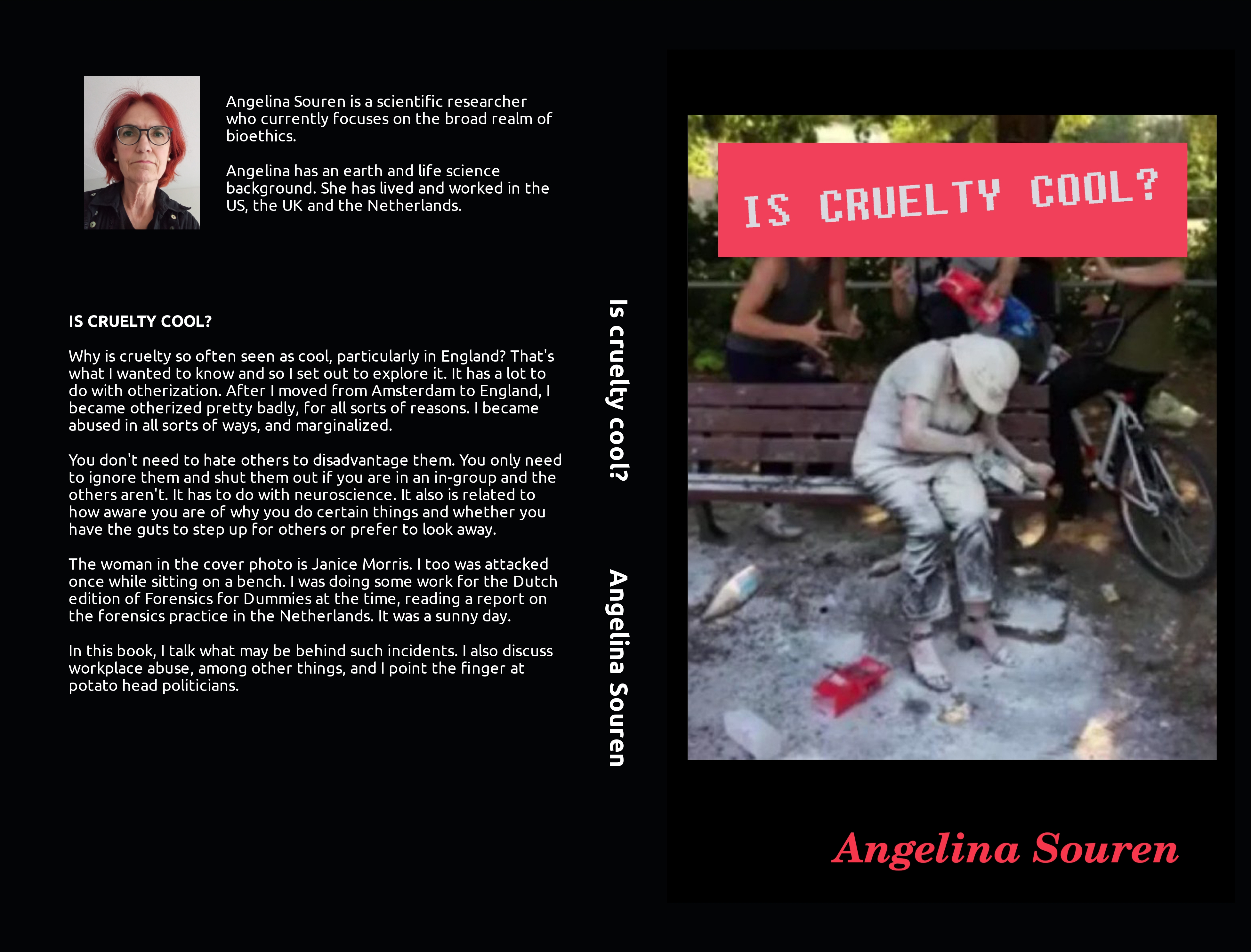
New book

Available as a really cool hardcover too. See video below.
Can anyone let me know whether it’s actually available from Amazon? In the UK too? Am getting some strange errors about the ASIN codes not being valid. And he often plays these silly Jekyll and Hyde games where I put in a lot of effort and he then makes sure that it isn’t going anywhere.
Dude, the matte black cover for the paperback doesn’t work; it is very easy to get very ugly smudges on it. The grey cover works better for the paperback. I can unpublish it. But you are currently apparently blocking that… ?
The hardcover looks great. Also, customers, I’m happy with plain white paper versus premium. It’s probably more environmentally friendly.
I love this!
Substack offers LaTeX blocks
It’s still in beta but it’s the first time I’ve seen LaTeX use outside science. It’s not even that common in science.
Storm in Britain named after Dutch weather presenter
Ha ha, I love it!
It was the Met Office’s decision. Storms are named by the Irish, British and Dutch meteorological services. For those of you who don’t know that it may be fun to learn that meteorology is one of the earth sciences. A fellow student called Diana, a pleasant woman who I did field work and field trips with, went on to become a weather woman after graduation. (Me, I wanted my own research group.)
https://nos.nl/artikel/2488748-eigen-storm-voor-vertrekkend-weerman-gerrit-hiemstra
This is what I call daft
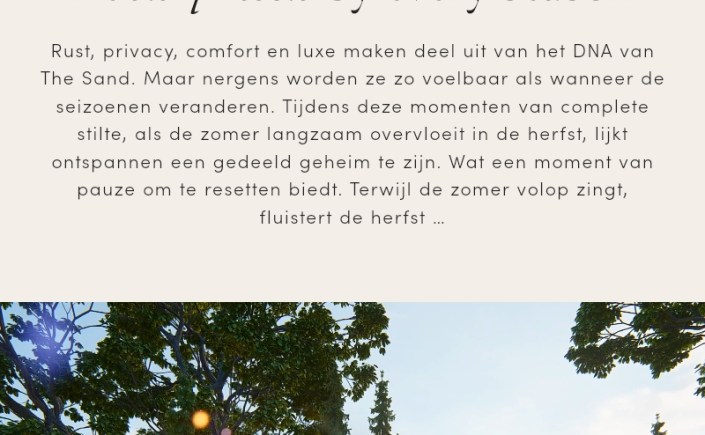
It’s probably a really strange experience for English people to hear about, but when I walk around in the country that I am currently in, I see so much English that I was considering making a video about it.
This, however, takes the cake.
“Be surprised by every season” it says.
I continue reading and instantly experience a profound level of cognitive disconnect because it then talks about rust, privacy and comfort.
Eh, what?!!
They might as well have put “Jeu de boules, pizza, nasi, sushi” at the top of the 📃. It would have prepared me for the DNA in the sand, too. (The Dutch sucks too, btw. Say I but right outspokenlijk-like. It’s a partly lovely attempt at poetic language that possibly got messed up by the site editor.)

The kicker? You can stay at one of “de beachlodges”.
Like I said, I see a lot of English all around me. (Most buttons and so on, too, have English words on them.) Most of it is perfectly fine. The only negative thing that stood out before I ran into this was the misuse (disadvantageous ambiguity) of “little” in a business name. It may have been “little sunshine”.
Why do the Dutch do this?
- Dutch has a much smaller vocabulary (but most Dutch folks make little use of the greater English vocabulary).
- English is far more succinct. English takes up a lot less space, so you can get to the point and get it across much more easily.
- It’s a tiny country.
Did you too expect that this “Sand” might be near Amsterdam or Rotterdam, perhaps and hoping to attract tourists? I was surprised to learn that it’s in the north east, closer to Germany than to the UK.
Oh. It’s not even cottages and such that are available for a stay. It’s an investment opportunity. Real estate. Property. So it’s case of Trumpianism.
(YouTube popped it up for me a few times. An ad. I got curious and clicked.)
Merry Christmas

Watch this (antisocial personality disorder)
As someone who recently became the target of three people (and relentless abuse from their entourage) who are more or less like this and (because I was stuck in that little enclave where it came from and which also enabled it all in the first place) hence had to start studying and contemplating what it may be like to be like this, and realized that diversity is much greater and more multifaceted than we tend to be aware of, I recognize many things in this interview. It surprised me, I should add, and it’s also reassuring because it makes me realize that my assessments tend to be right. (It’s part of why you get targeted. You understand.)
It also makes me feel very weary (exhausted) as well as wary. These people have a tendency to gobble you up, consume you. Everything is a game to them, on some level. It’s like they are in a James Bond film. They’re relentless. Or, can be.

Yes, the amount of chaos that they can add to other people’s lives is huge. When you interact with people like him, you also have to really watch yourself to make sure you are not becoming callous and manipulative yourself but remain true to yourself. It’s probably a sliding scale, a slippery slope. They can affect you before you know it.
Me, I’m done with it. I’m out of energy, out of life, now. I mean, kerrist, I would like to be able to support myself again, for starters, but when I do, it becomes so much more difficult to manipulate me, for example because then I can do things like purchase new computers and possibly finally be hacking-free again. The amount of manipulation I’ve been subjected to since 9 June 2008 has been staggering and sometimes pretty extreme (sometimes intended to manipulate other people with regard to me in order to be able to manipulate me but also sometimes intended to see if I could for example be manipulated into suicide). The cost has been tremendous. It can get really complicated.
For anyone who wonders, I’m a little under the weather. Probably fighting off a virus. Something like that. Am taking it easy for a few days. Kicked in yesterday or day before.
After the above, which had been on my watch later list for a long time, I ran into this one…
I’m starting to get the sense that addressing the focusing illusion could be the solution to so much. I only heard about it, read about it, a week ago. I need to start reading up on it and explore it in myself as well to get a better feel for what it is. Is it tied to the altruism – psychopathy variation, for example? No idea. I don’t think that I do it much myself, but I probably won’t even know until I read up. I need to read up. It may not bring me any answers at all. It may be a disappointment. We’ll see.
Sigh
Francis Fukuyama interview in Dutch Financial Times
The synopsis has him saying that maybe the world needs a major disaster to be able to appreciate the concept of democracy again.
I thought that the pandemic would bring people and countries closer. Even Portsmouth became tolerable during the pandemic and UK government politicians even stopped ranting and raving about migrants like me for a while.
Then that fucking lunatic Putin attacked Ukraine before the pandemic was over and all hope was lost. Next, the fucking CEOs of a few major enterprises saw an opportunity to make more dough for themselves because they’re so empty inside that this is all they had and started overcharging people big time to make everyone else suffer a bit more and now just about everybody in the goddamn world hates just about everybody else again.
Another major factor? No women. Marin is gone, Ardern is gone, Merkel is gone. I really miss the influence of Merkel.
The human species is doomed.
Now I’ll go read the interview to see if it contains any hope at all.
(Bottom line, more or less: if we get another Trump presidency we’re all screwed and yes, Putin was the one who started fucking things up again. If Trump disappears from the scene, we might have a chance. That reminds me. Yikes. Back then, I thought that there was a real chance that Trump might end up getting assassinated. I think it’s fair to say that this probability is likely far greater now. That wouldn’t be good. It’s a pity that SCOTUS won’t expedite the immunity decision. People have lost their compass. They need good leadership and we don’t seem to have it anywhere at the moment. That’s dangerous. I can see in myself how easily bad shit can start corroding a person’s soul and one’s trust in others. That I was hunted and obstructed so relentlessly for 15 years, as if I was a rat with a Hollywood exterminator on my tail, and got subjected to so much sadism, so much contempt, it’s changed me. I see all the knife crime that didn’t used to be there and have to ask myself where it all comes from. The whole greenwashing bullshit concerns me too. The new sales slogan is “buy more cool, hip, green stuff”, isn’t it. Even fake meat is becoming a toxic cocktail.)
Homelessness as a direct effect of the English class system
Poverty in England (versus poverty in the Netherlands)
I talk about some of this stuff too, in my book. The difference between what I was surrounded by in England and what I see in the Netherlands is so surreal that I had to avoid thinking about England for a little while. Why? My mind had trouble reconciling the two. It’s too surreal, how different it is.
When I read that there’s a Dutch woman who organizes a Dickens festival each year in which people dress up as if they are in Dickensian times, I felt a lot of anger well up. Dickensian times were times of great poverty, such that the term “Dickensian” refers to great deprivation. Nothing romantic about it. (Dickens was born in Portsmouth, by the way.)
I let go of the anger because the woman means well, but I still find it very sad. I think Dickens refers to this poverty in his work, too, though I am not at all familiar with it.
Merry Christmas

I’ve just uploaded the third and final edition of this. Maybe I should have let some form of AI edit it but I have a feeling that it wouldn’t have gone well. 😎 I may write a more forward looking book next, a how to.
What I’ve learned from being stalked relentlessly
Never ever ask for help when you (desperately) need help and certainly not if you’re being stalked, most certainly not if it’s by someone who has advanced IT expertise and is extremely cunning.
Only ask for help when you don’t really need help but are interested in what people might tell you that you didn’t know yet.
Truths
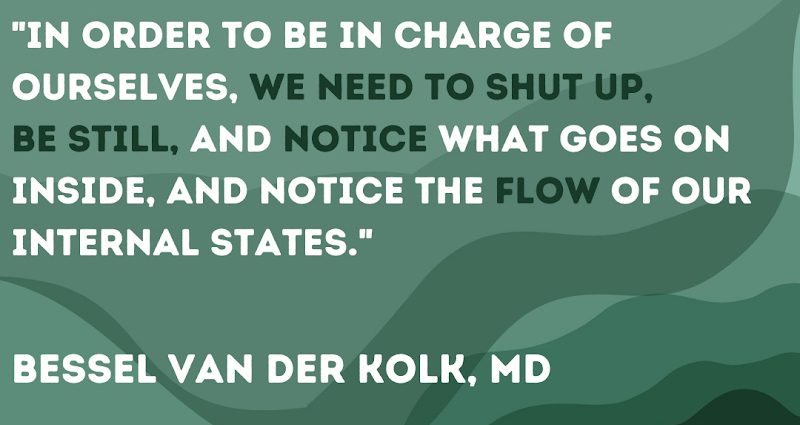
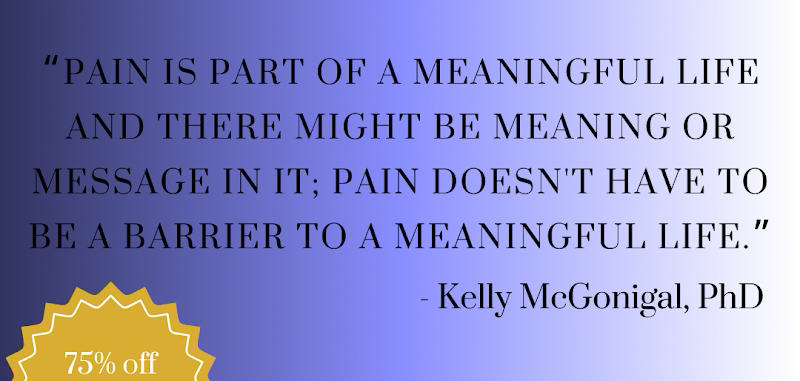
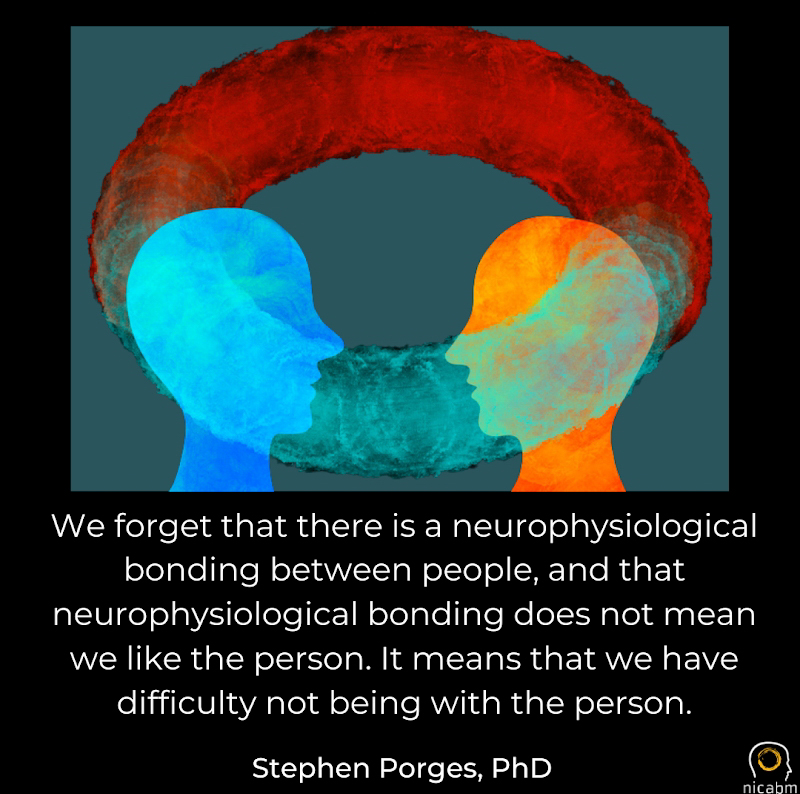
AI
I’ve previously talked about ChatGPT referring to non-existing articles in The Guardian and accusing a professor in Canada of sexual harassment during a group trip that never even took place.
A few days ago, Microsoft offered to use AI to translate the Dutch word “bonestaak” for me. It’s suggestion was “bone stake”. Instead of “bean stalk”.
Let the dumbing down begin. I’m not worried about people’s employment yet.
This is what living is for
Perfection when it counts. This is why you should always do the best you can, not the least you can get away with. In this case, this person saved not only his own life and that of his instructor (besides the plane, but that’s less important here).
In other cases, it will be something totally different, but there’s no greater joy than excelling at something and surpassing yourself, your own expectations. It’s not about you. It’s goes way beyond that.
Yesterday evening, I watched a film about a math student who figured out what an alien lifeform was communicating, by using the universal language of math. It doesn’t get any better than that.
It’s also about the synergy. Perhaps it’s particularly about the synergy.
CRISPR treatments for sickle cell disease
The FDA approved both of them today.
See also my previous update.
This involves four companies, Vertex, Bluebird Bio, CRISPR Therapeutics and Editas. There’s a lot more in the works.
This ain’t easy peasy, cat’s in the bag stuff.
Not by a long shot.
The cutting edge never is but that’s where stuff happens.
Continue reading
CRISPR updates
Antonio Regolado in MIT Technology Review:
https://www.technologyreview.com/2023/12/07/1084629/lucky-break-crispr-vertex/
The UK has already approved one of them. The matching FDA decision is coming up this Friday. There will be another one by 20 December. Both treatments are for sickle cell disease but they can come at the expense of the person’s fertility and certainly the first one requires a long period of hospitalization.
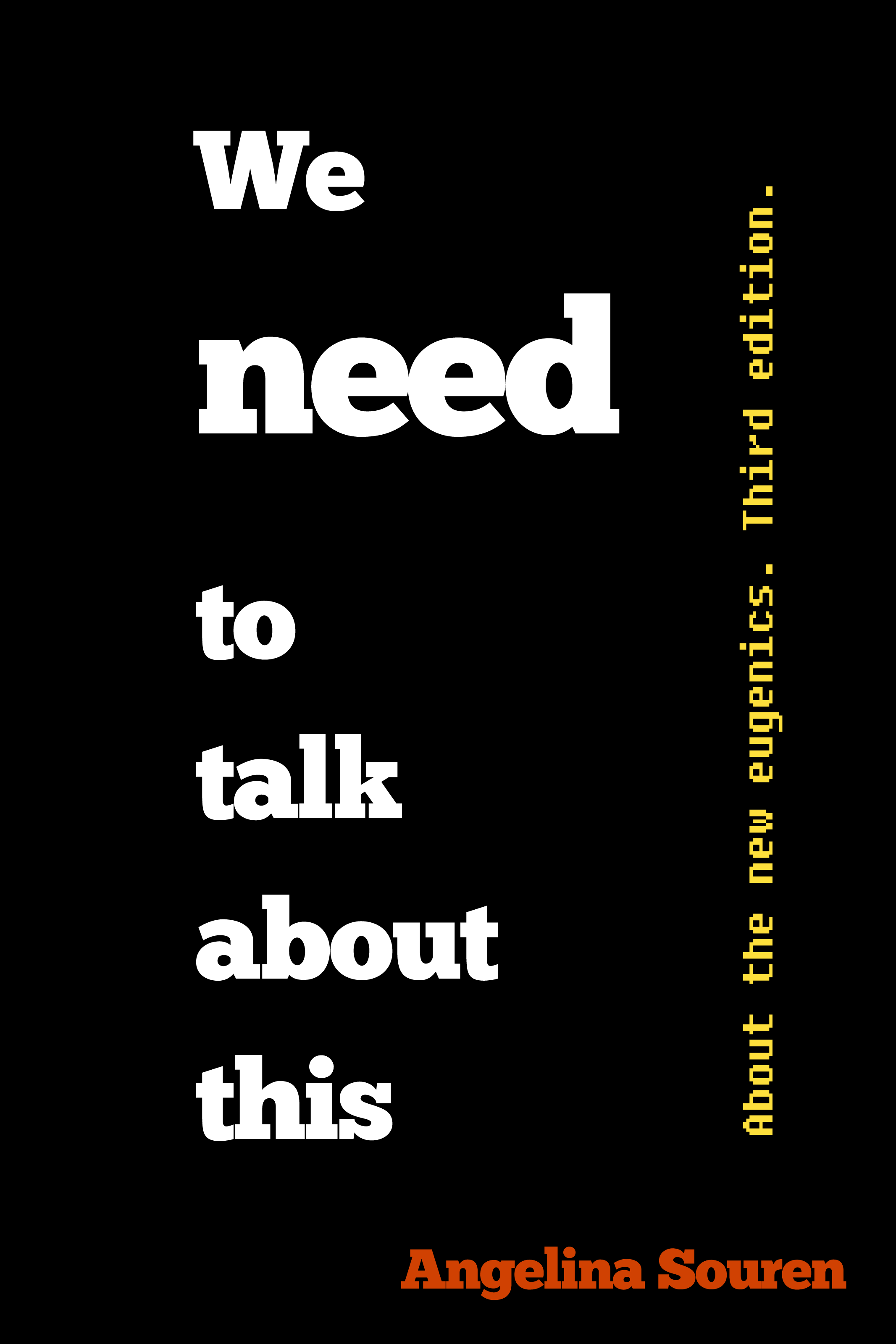
CRISPR is what sparked this book:
The truth about the cost of living crisis
Read it. Then decide if you really want to keep voting for the politicians that want as much money as possible to flow from your pockets into those of their pals.
This phenomenon is not exclusive to the UK.
Gem
Appropriate taser use
Charles is growing into his new role
In all sorts of ways. Including the Greek-flag tie.
ERC Annual Conference 2023: Research on Diversity & Diversity in Frontier Research
The conference will showcase ERC-funded frontier research projects that both study diversity in society and that exemplify the importance of taking diversity into account in research design.
Programme
8.30 – 9.00 | Registration
9.00 – 9.15 | Opening address by European Commissioner for Equality, Helena Dalli
9.15 – 9.25 | Introduction by Maria Leptin, ERC President
9.25 – 10.20 | Keynote: The Female Turn: How Evolutionary Science Shifted Perceptions About Females
- Malin Ah-King, Stockholm University, SE
10.20 – 10.40 | Coffee break
10.40 – 12.10 | Session I: Diversity in Health Research
Moderator
- Geneviève Almouzni, ERC Scientific Council Member, Chair of the Gender & Diversity Issues Working Group
Rapporteur
- Philippe Cupers, Head of Unit Life Sciences, ERCEA
Speakers
- Social inequalities in health: an intersectional approach, Pierre-Yves Geoffard, CNRS, FR
- Molecular insights in “real-life” immunology, Maria Yazdanbakhsh, Leiden University, NL
- Hypertension in African migrants: Lessons learnt from the RODAM study, Charles Agyemang, Amsterdam University Medical Centers, NL
- ECAP: Genetic/epigenetic basis of ethnic differences in cancer predisposition, Gian-Paolo Dotto, University of Lausanne (UNIL) ,CH, Centre Hospitalier Universitaire Vaudois (CHUV), CH, Massachusetts General Hospital and Harvard University, US
12.10 – 13.10 | Lunch
13.10 – 14.40 | Session 2: Diversity from a Technological and Legal Perspective
Moderator
- Tom Henzinger, Member of the ERC Scientific Council
Rapporteur
- Alejandro Martin Hobdey, Head of Unit Physical Sciences and Engineering, ERCEA
Speakers
- Diversity in the Machine Learning Age, Louise Amoore, Durham University, UK
- Improving Decision Making with Machine Learning, Fairly, Manuel Gomez Rodriguez, Max Planck Institute, DE
- Diversity in Body Representation for Neuroprosthetics, Giovanni Di Pino, University of Rome, IT
14.40 – 15.10 | Coffee break
15.10 – 16.40 | Session 3: Perceptions of Diversity
Moderator
- Harriet Bulkeley, Member of the ERC Scientific Council
Rapporteur
- Lino Paula, Head of Unit Social Sciences and Humanities, ERCEA
Speakers
- Tracing Queer Citizenship over Time: older LGBTI+ lived experiences in Southern Europe, Ana Cristina Santos, University of Coimbra, PT
- NEUROEPIGENETHICS: investigating neurodiversity in a neuromixed research group, Kristien Hens, University of Antwerp, BE
- CEC – The Cognitive-Ecological Challenge of Diversity, Hans Alves, University of Bochum, DE
- Coexistence and conflict in the age of complexity, Eeva Puumala, Tampere University, FI
16.40 – 17.45 | Session 4: Roundtable: The Importance of Diversity in Research
Moderator
- Angela Liberatore, Head of Scientific Management Department, ERCEA
Speakers
- Joanna Drake, Deputy Director-General for Research & Innovation, European Commission
- Semiha Denktaş, Erasmus University, Rotterdam, NL
- Emilia Gómez, Joint Research Centre (European Commission) & Pompeu Fabra University, ES
- Gian-Paolo Dotto, University of Lausanne (UNIL), CH, Centre Hospitalier Universitaire Vaudois (CHUV), CH, Massachusetts General Hospital and Harvard University, US
- Ana Cristina Santos, University of Coimbra, PT
17.45 – 18.00 | Concluding remarks
- Geneviève Almouzni, ERC Scientific Council Member, Chair of the Gender & Diversity Issues Working Group
- Laurence Moreau, Director of the ERC Executive Agency
Other information
Frontier Research on Diversity factsheet
Science story: interview with Kristien Hens
Speaker’s bios
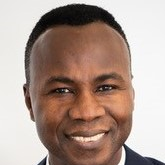
Professor of Global Migration, Ethnicity and Health, Amsterdam University Medical Centres, NL
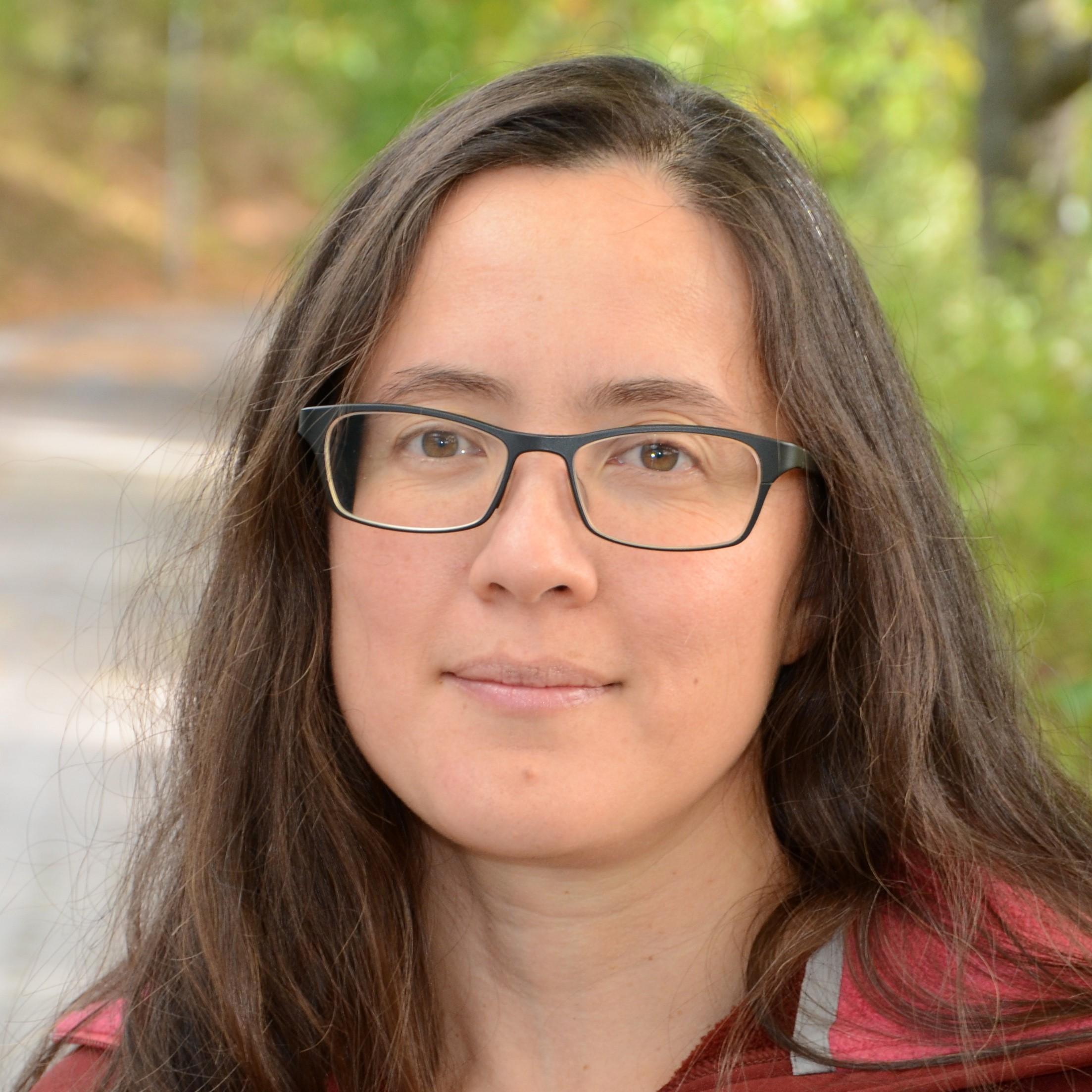
Associate Professor in Gender Studies, Stockholm University, SE
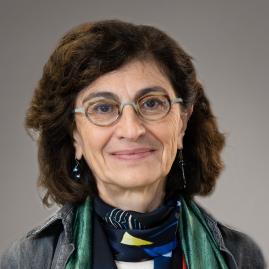
Director of research exceptional class, CNR, FR
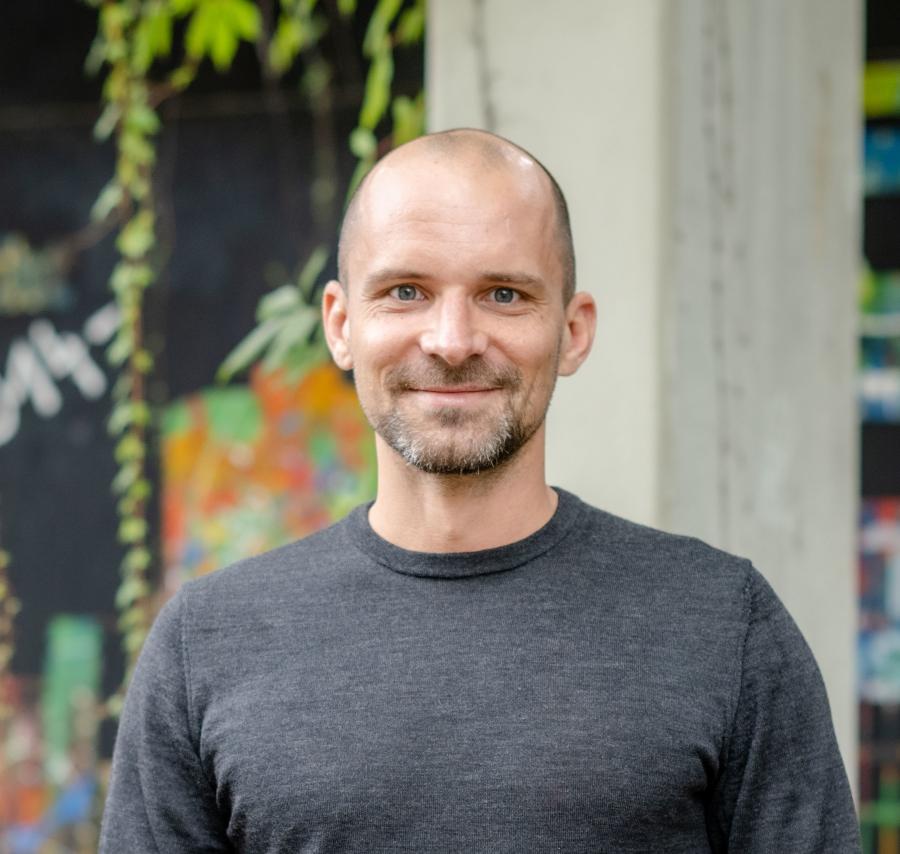
Professor of Social Cognition, Ruhr University Bochum, DE
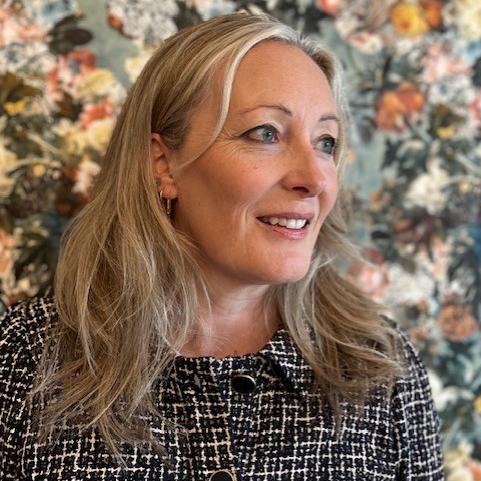
Professor of Political Geography, Durham University, UK
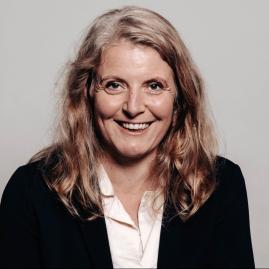
Full professor, Utrecht University, NL
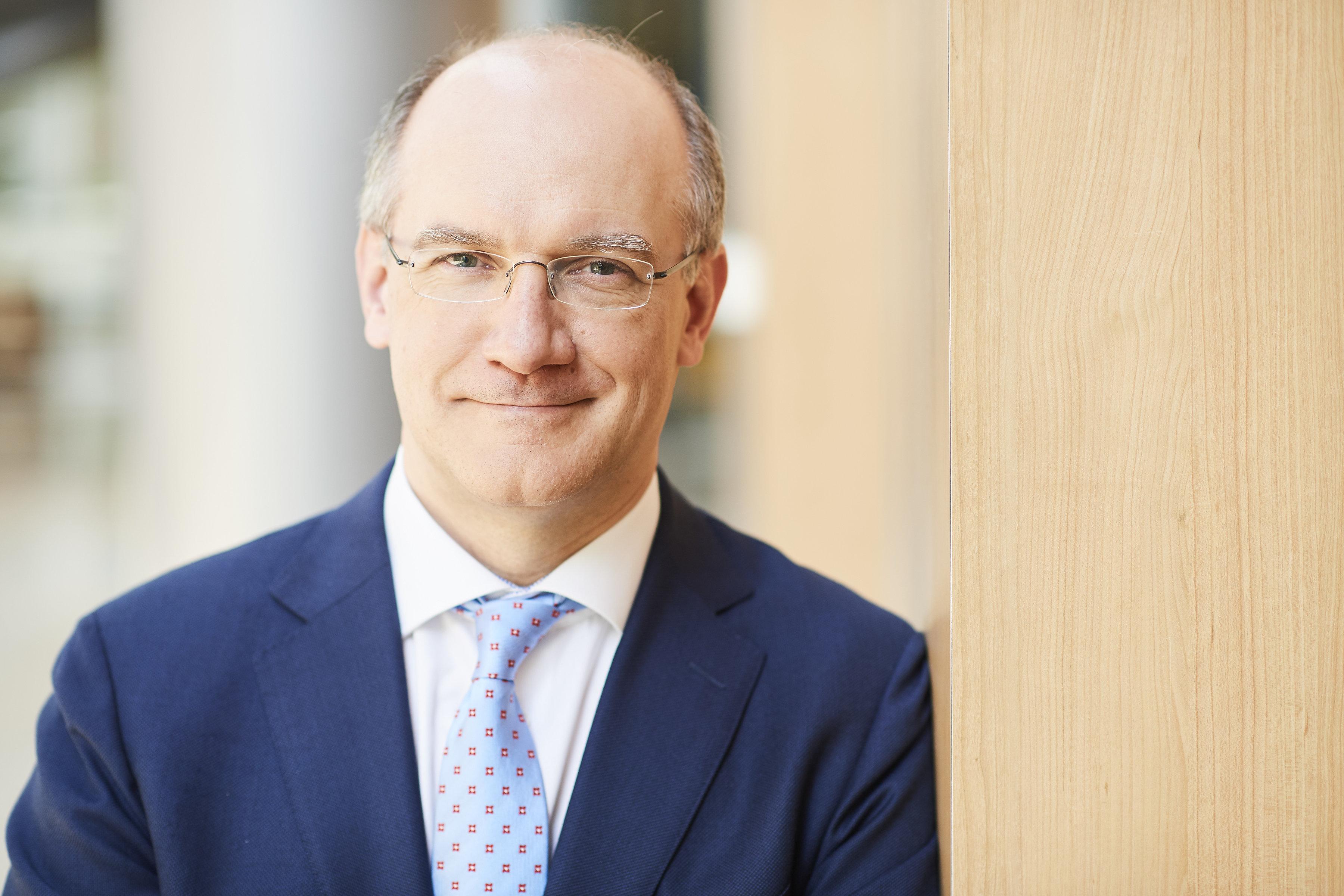
Head of the Life Sciences Unit, European Research Council Executive Agency

European Commissioner for Equality
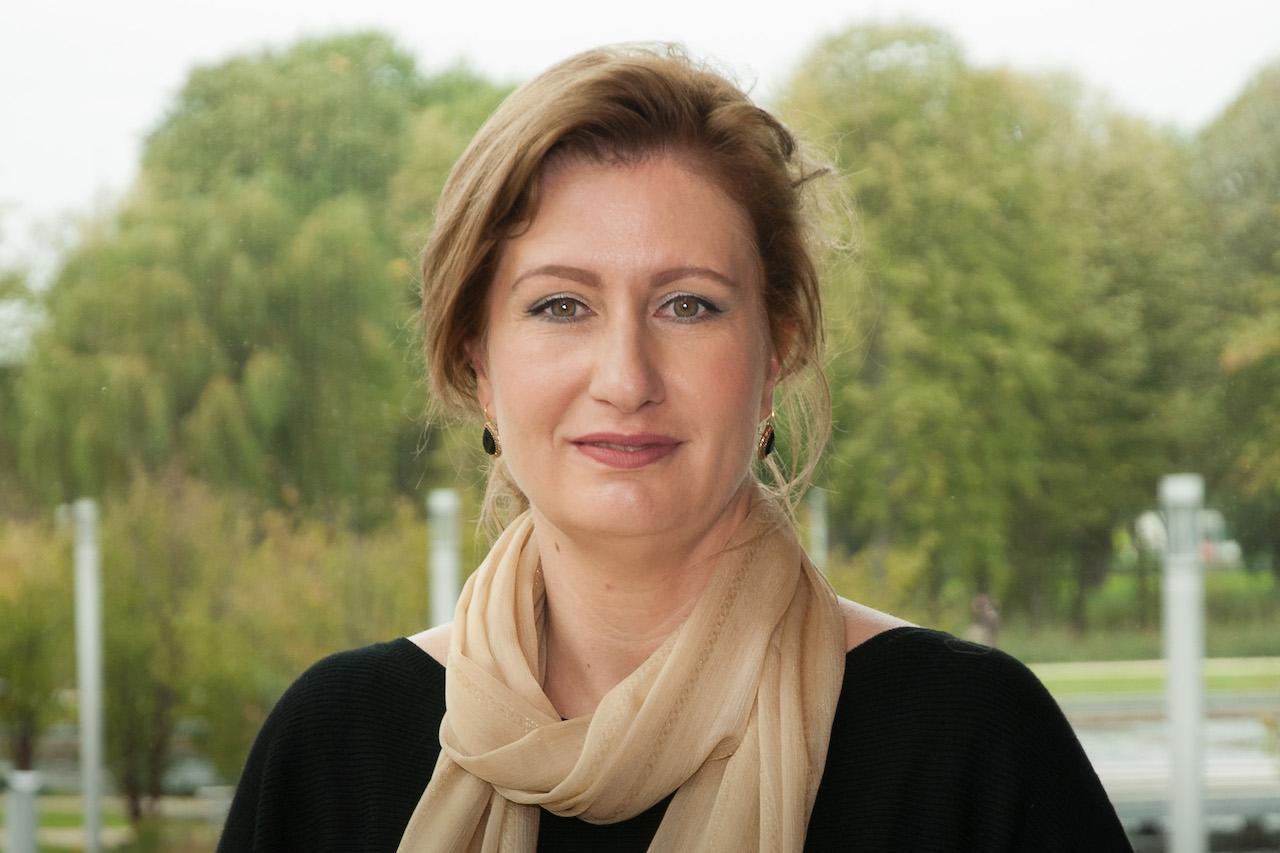
Chief Diversity Officer (CDO) at Erasmus University Rotterdam
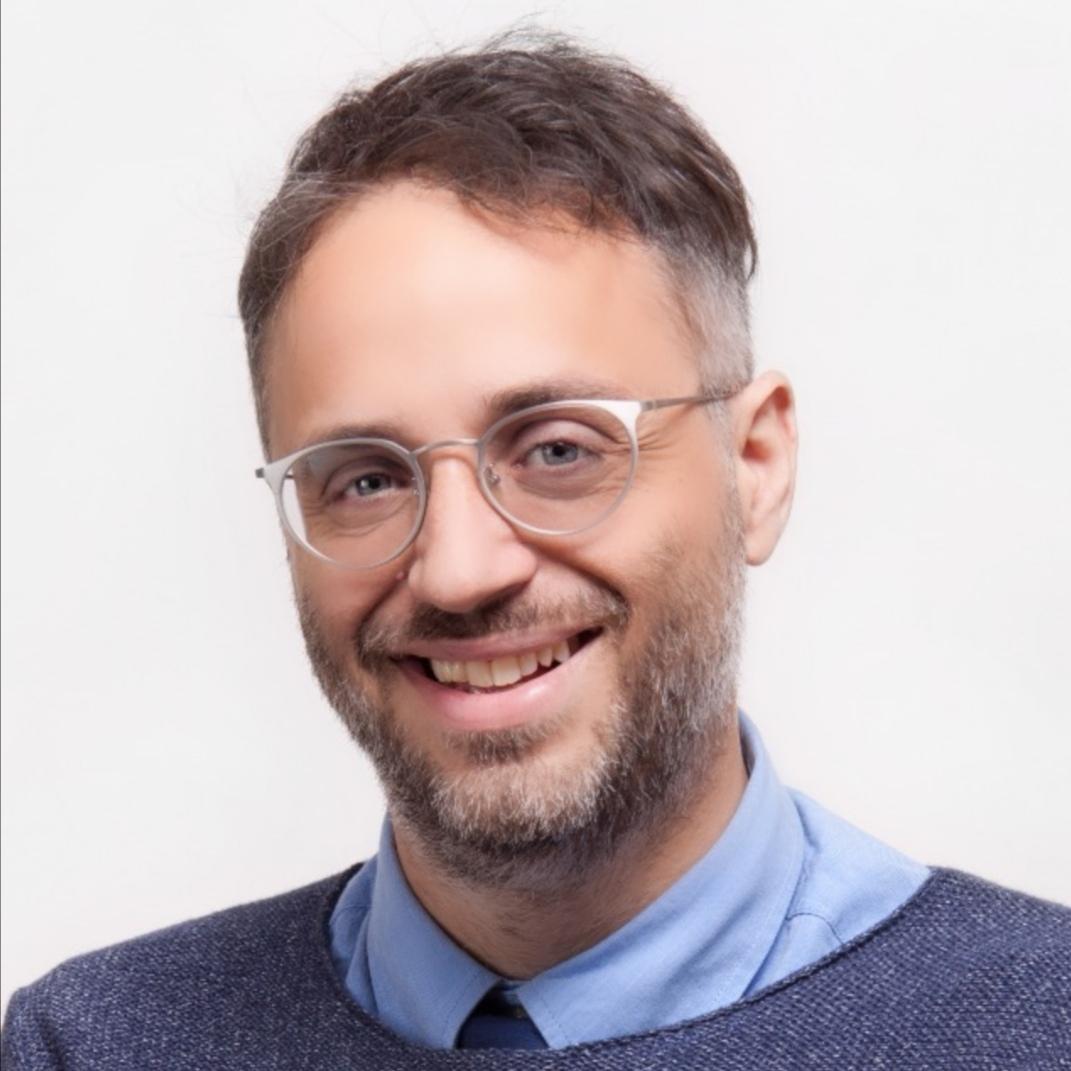
Professor of Human Physiology, Campus Bio-Medico University of Rome, IT
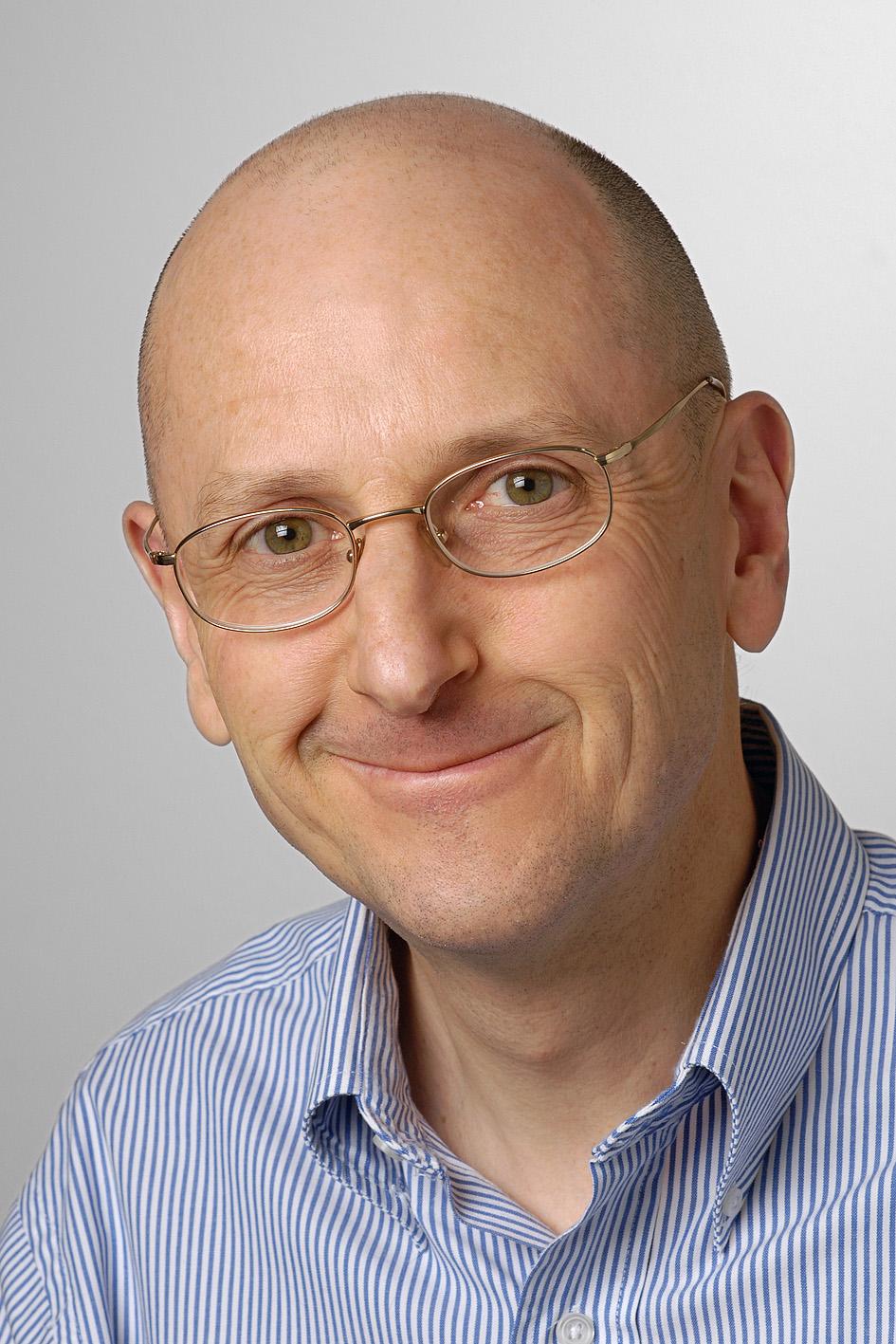
Director of the Laboratory of Skin Aging and Cancer Prevention Dermatology Department, Massachusetts General Hospital and Harvard Medical School, USA
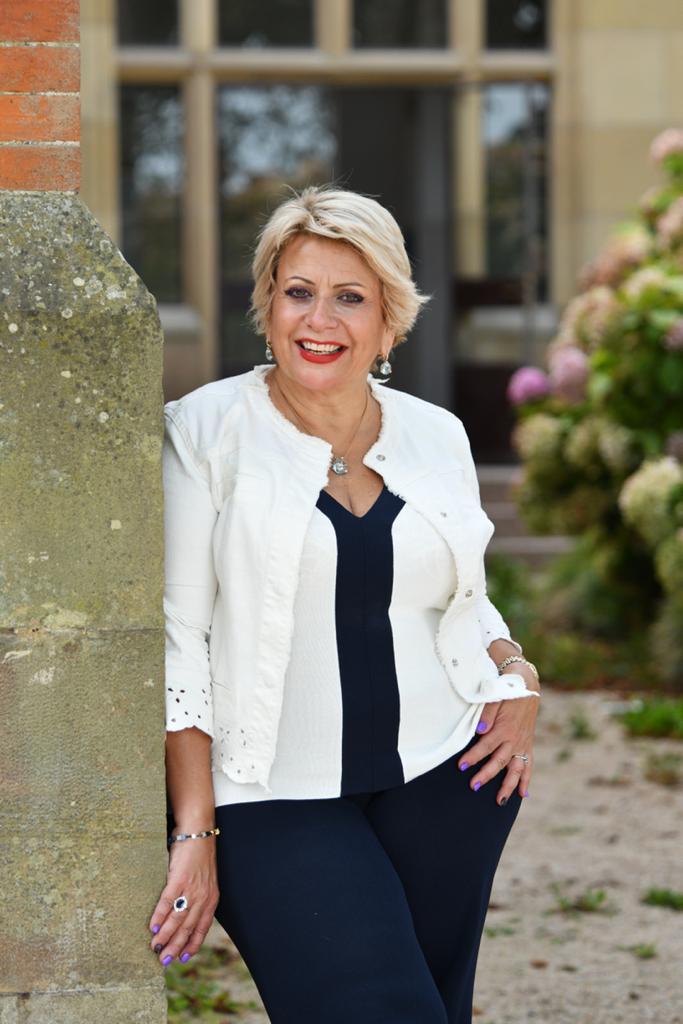
Deputy Director-General of the European Commission’s Directorate-General (DG) for Research and Innovation (DG RTD)
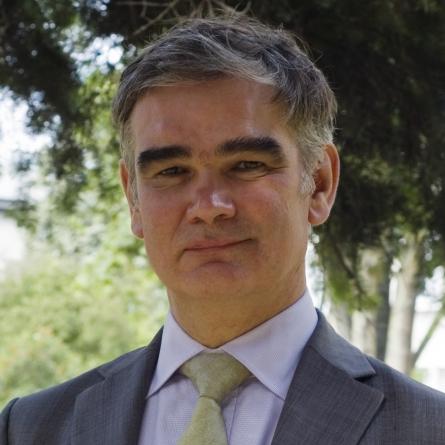
Professor of economics, Paris School of Economics, FR
Researcher, Joint Research Centre (JRC), European Commission
Tenured faculty, Max Planck Institute, DE
Research professor, University of Antwerp, BE
Professor, Institute of Science and Technology Austria (ISTA), AT
Head of the Physical Sciences and Engineering Unit within the Scientific Department, European Research Council
ERC President
Head of the ERC Scientific Department
Director of the ERC Executive Agency
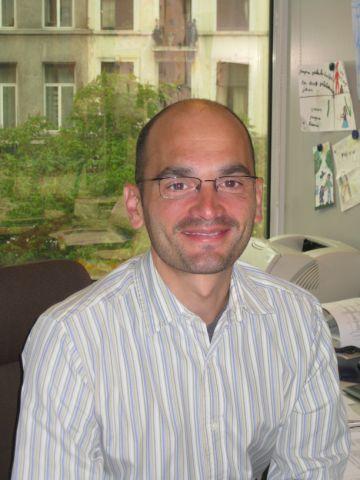
Head of Unit Social Sciences and Humanities at the scientific department of the European Research Council Executive Agency (ERCEA)
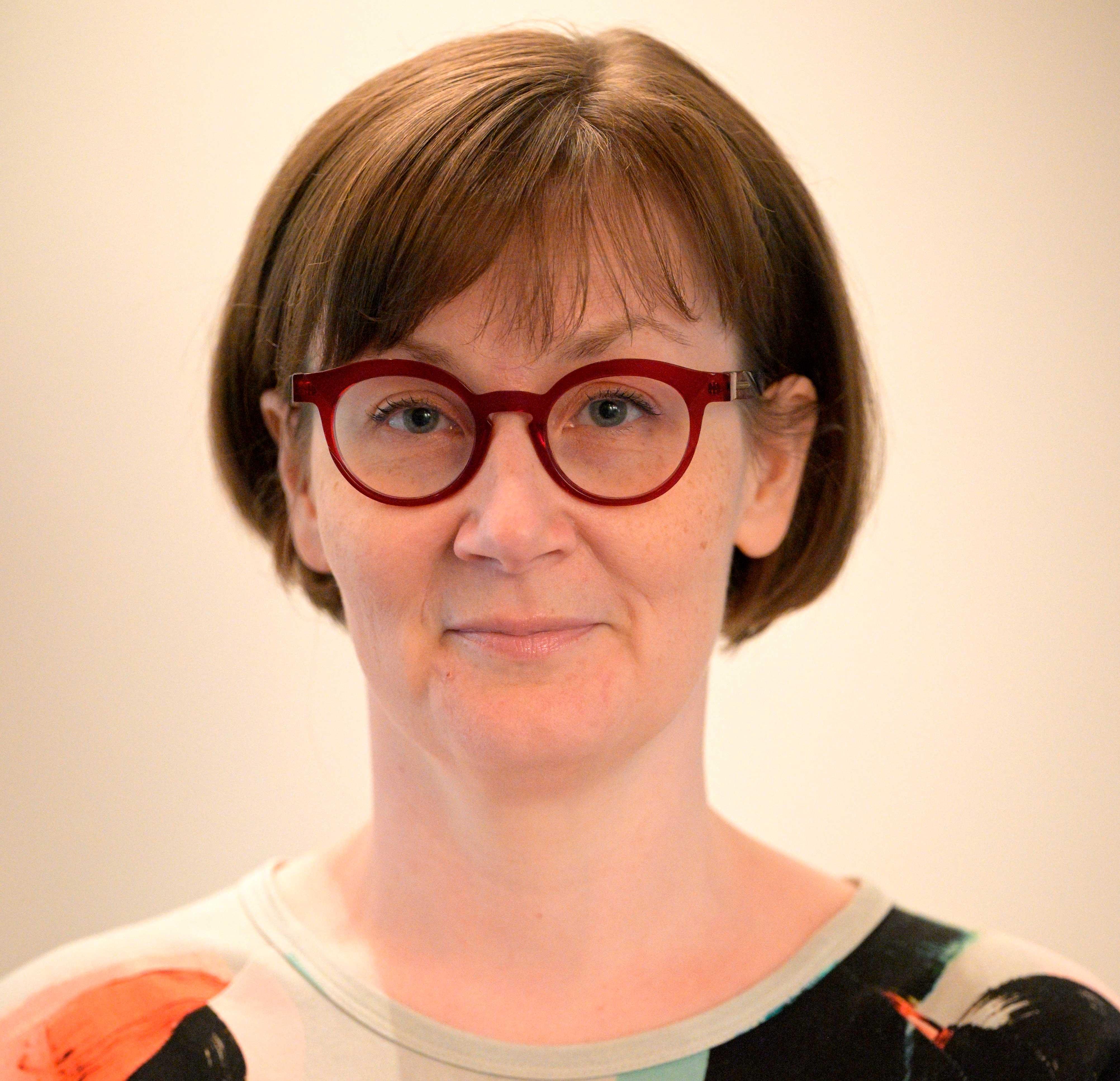
Senior research fellow, Tampere University, FI
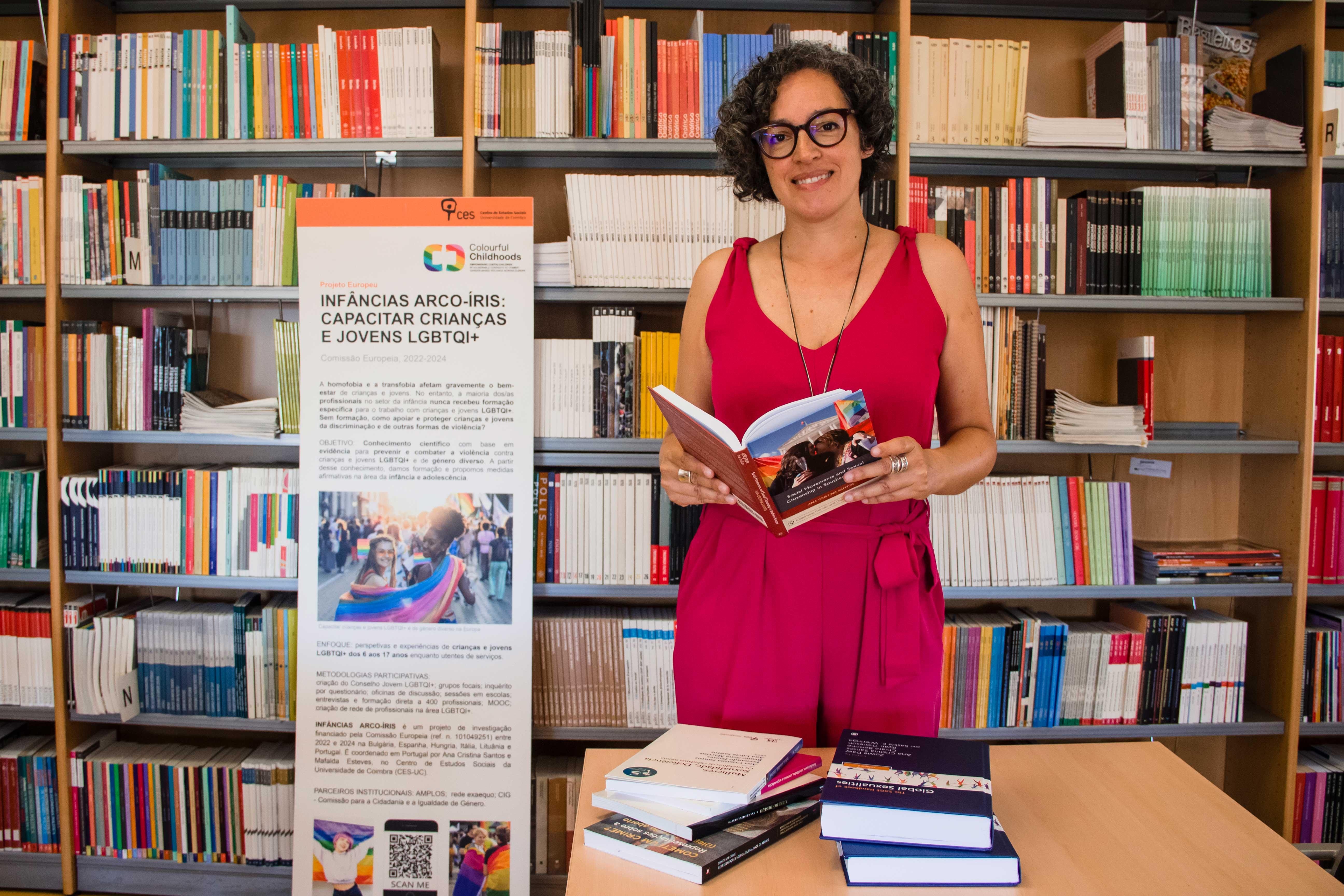
Principal Researcher, University of Coimbra (CES-UC), PT
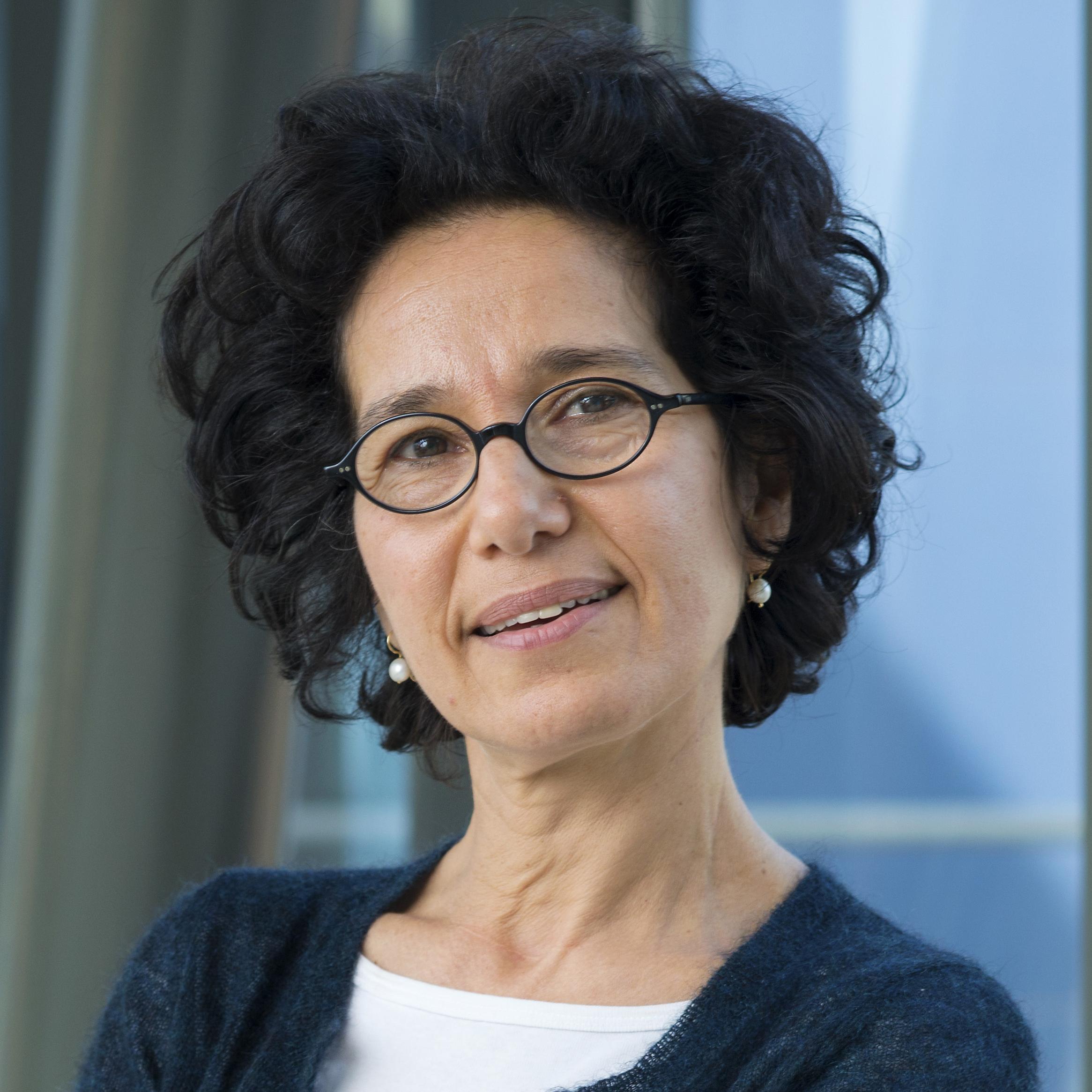
Professor in cellular immunology, Leiden University Medical Center, NL
I was very disappointed to learn from Malin Ah-King (Stockholm University) that we are still struggling with this issue of male bias and heteronormativity in science (that is, biology). I was a Master’s student in the 1980s and I carried out a study into gender bias in sociobiology research as part of my degree requirements. Relatively little has changed since then. Not only is a lot of research biased, but there is also a bias in favor of biased research.
Partiality supposedly has no place in science – science is “objective” (non-biased) – but all science is partial by definition because we all bring our personal backgrounds to the table.
In the west, “objective” has always implicitly meant “as seen from a well-to-do white male’s perspective”, except perhaps in times when society was matriarchal or was matriarchal behind the scenes, such as possibly in ancient Greece, as one member in the audience brought to our attention.
That same person, however, appeared to assume that only men produce testosterone and that only produce estrogen and that hormones direct behavior. Behavior and various other factors can impact hormone production and estrogen and testosterone aren’t the only hormones that interact with behavior.
This interaction alone already pointed out how important diversity in research is.
My main question for all presenters/discussion
How would you have attempted to prevent what happened with the Spectrum 10K study in the UK?
The Wellcome Trust, which is funding the study, halted it after a massive backlash from the autism community. A second ethics review took place, followed by a two-year consultation with the autistic community. I believe that this is what people call an ass-backward approach? In my view, the Wellcome Trust and the researchers could have seen this backlash coming, because of the way in which the researchers handled matters.
Why Autistic People Are Worried by Spectrum 10K | Psychology Today: https://www.psychologytoday.com/us/blog/neurodiverse-age/202108/why-autistic-people-are-worried-spectrum-10k
https://en.wikipedia.org/wiki/Spectrum_10K
I also asked how we can address ageism in the scientific community. For example, grants often have age limits. Some leeway is occasionally available for for example parenthood but not for researchers who went to university at a later age. This seems to be much less the case in the US and this limitation in diversity too puts restrictions on research output.
I later decided to drop Kristien Hens a note and I downloaded two books that she wrote. I hadn’t looked into the program and the presenters in great detail before attending. I preferred to wait and see if I would be pleasantly surprised. I was.
Google Bard makes me laugh
No matter what I type, this is its response.

Some time ago, I uploaded a short about ChatGPT and the dangerous drivel it was producing, from accusing a Canadian professor of sexual harassment during a trip that never happened to referring to articles in The Guardian that didn’t exist.
The hacking interference is currently pretty hard to ignore again, by the way. It just hit me that we are in the run-up to Christmas. He always goes crazier than normal then. It seems to be a highly frustrating time for him.
Also, just after I got the tethering option back on some of my equipment from which it had previously mysteriously disappeared, forcing me to rely on a dongle, the local public WiFi was down for a while. Interesting coincidence.
