Human rights – diversity – neurodiversity – equality – inclusivity – discrimination – otherisation – speciesism – planet – consumerism – bioethics sensu lato
How being blissfully naive clashes with real life
(This also helps explain why I have little patience with dreamy rosy candyfloss people these days. You can’t live in England for as long as I have and keep seeing the world through pink-tinted spectacles.)
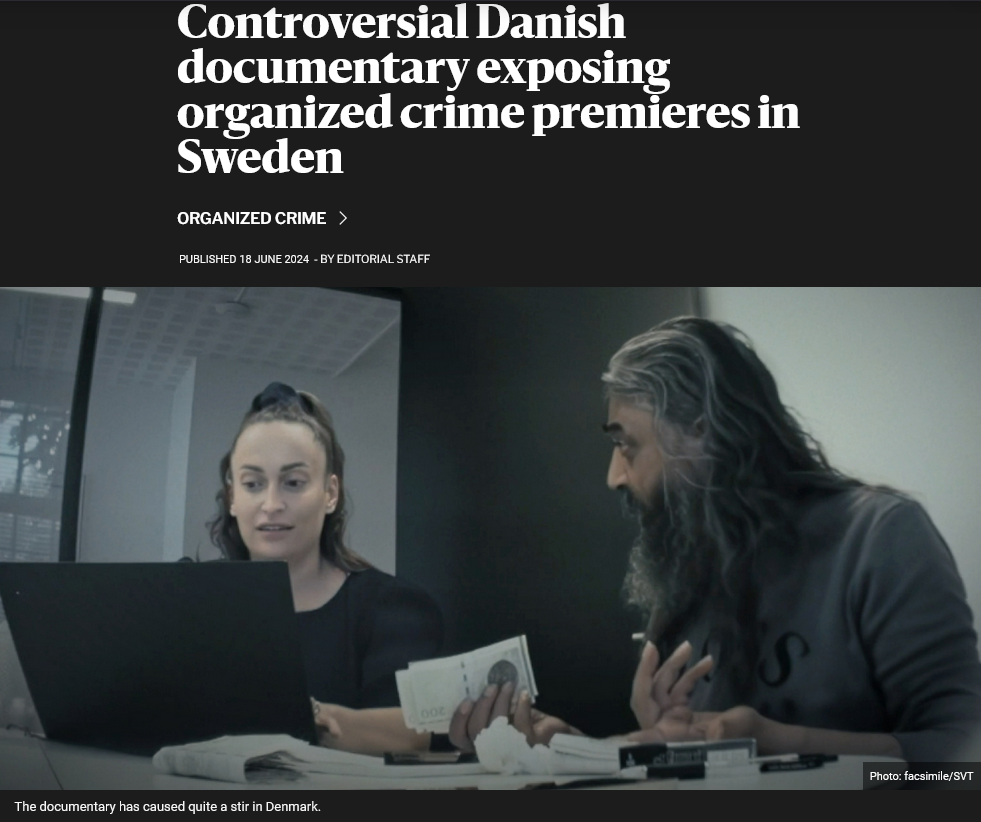
- https://www.avallone.io/resources/danish-documentary-den-sorte-svane-impact-global-compliance-industry (in English, published on 3 June 2024)
- https://cphpost.dk/2024-05-30/news/round-up/the-first-police-report-has-come-after-shocking-documentary/ (in English, published on 30 may 2024)
- https://nos.nl/artikel/2525372-witwassen-fraude-en-verborgen-camera-s-documentaire-schokt-denen (in Dutch, published on 20 June 2024)
- https://nyheter.sh/n/en/shocking-crime-documentary-rocks-denmark (in English, more or less a summary of the Dutch news item)
- https://en.365nyt.dk/2024/05/28/danish-minister-responds-to-the-black-swan-documentary-controversy/ (in English, published on 28 May 2024)
- https://nordictimes.com/the-nordics/the-black-swan-controversial-documentary-exposing-organized-crime-in-denmark-premieres-in-sweden/ (published on 18 June 2024)
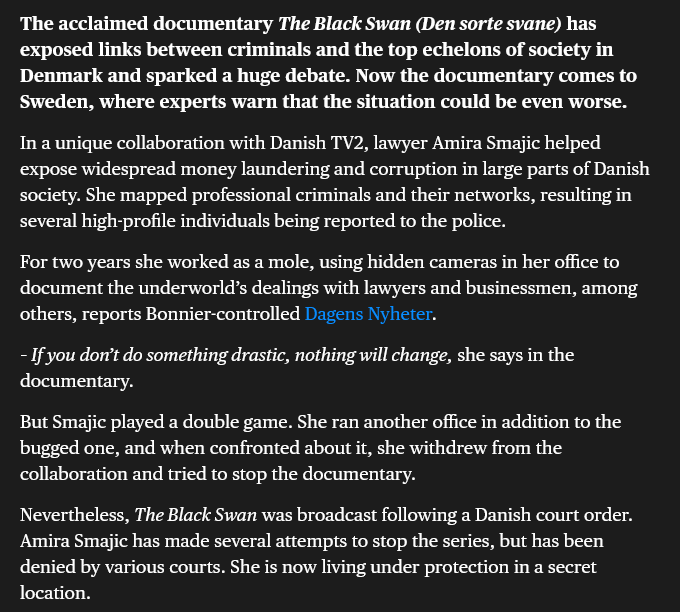
Here is an unedited ChatGPT translation of the Dutch news article:
A lawyer with connections to the Danish underworld feels remorse and offers to become an informant for a group of journalists. For ten months, every conversation in her office is recorded by hidden cameras. The result is a revealing look behind the scenes, showing how the upper and underworlds in Denmark are deeply intertwined.
The scenario seems perfect for one of the many acclaimed Scandinavian crime series. However, instead of fiction, “The Black Swan” is a documentary series that dominates conversations among Danes at the coffee machine this week.
Torture Chambers and Contract Killings
Central to the story is Amira Smajic, a lawyer who represents criminals from organized crime. After contacting a TV station, she opens a new office and equips it with hidden cameras. These cameras film officials, lawyers, and businessmen advising criminals on various matters, from money laundering through municipal funds to tax fraud and bribery. Criminals themselves openly discuss torture chambers and contract killings.
Everyone who visits the office believes they are unobserved and speaks freely. Financial-economic crime is facilitated by legal companies and service providers, resulting in millions of crowns, which belong to the state treasury, ending up in the pockets of criminals.

It all contradicts the self-image of Denmark, which is known for its transparency. For years, the country has topped the list of least corrupt nations. The public administration is highly accessible: every Dane has the possibility to inspect public decisions, while government agencies are obliged to accurately record communications around decision-making. That in such a society, lawyers and businesses consciously collaborate with criminals to circumvent the law and embezzle state funds, shocks many Danes.
This systematic undermining has caused a significant stir. Several complaints have already been filed against involved lawyers and businessmen, some of whom have already been dismissed or have resigned from their board positions. The Danish Bar Association is investigating multiple lawyers, some of whom work at the largest law firms in the country.
Uproar at the Highest Level
The issue is also affecting politicians. A local social-democratic politician has already resigned after it was revealed that he had connections with one of the businessmen featured in the documentary.
National politics is also abuzz with the documentary. Prime Minister Mette Frederiksen publicly thanked the creators for their work, and the government met with opposition parties to discuss the documentary. The question arises whether the authorities possess sufficient economic knowledge to detect and prevent such crimes.
Does the End Justify the Means?
However, part of the outrage in the country is also directed at the documentary makers themselves. The public debate, for example, questions whether the end justifies the means. Is it permissible to secretly record conversations with hidden cameras? Are crimes not being incited this way?
There is also the question of the extent to which lawyer Smajic should have been protected: when it became clear upon completion of the documentary that it would not portray her entirely positively, she tried to prevent its broadcast. She says she fears reprisals from the criminal network she helped expose as a whistleblower.
It took two court rulings before the documentary could be aired. Since then, Smajic has gone into hiding.
According to the documentary makers, the societal interest weighed more heavily. They aptly named the series ‘Black Swan,’ referring to the theory that an unexpected event with enormous impact can make people view the world differently. This certainly applies to the Danish government: after the summer vacation, they will present a bill to strengthen money laundering controls.
Continue readingNeed proof of the astonishingly low intelligence of the species Homo sapiens?
Here.
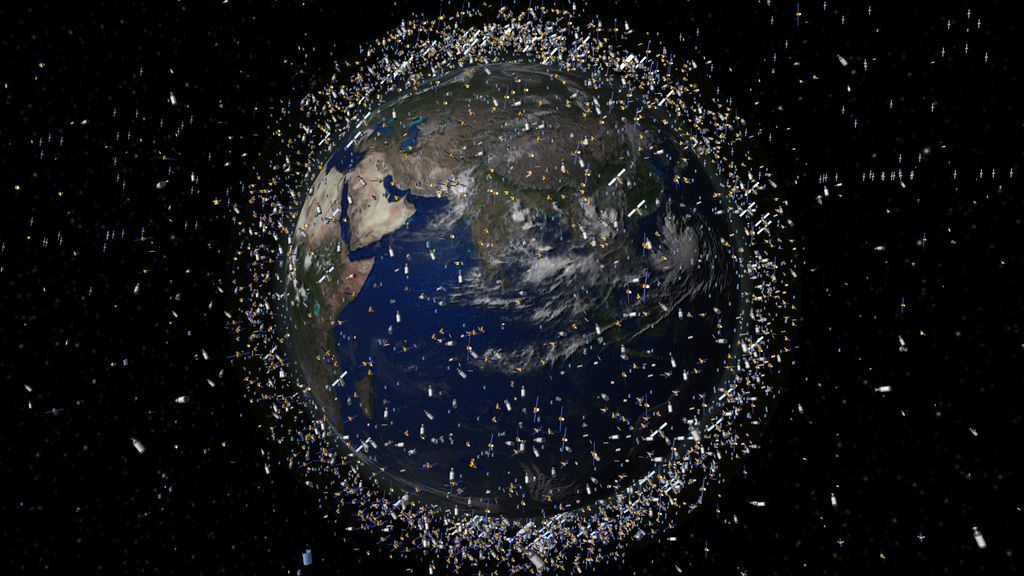
https://nos.nl/artikel/2525383-ruimtepuin-steeds-groter-probleem-hoop-gevestigd-op-grijparmen-en-laserbezems
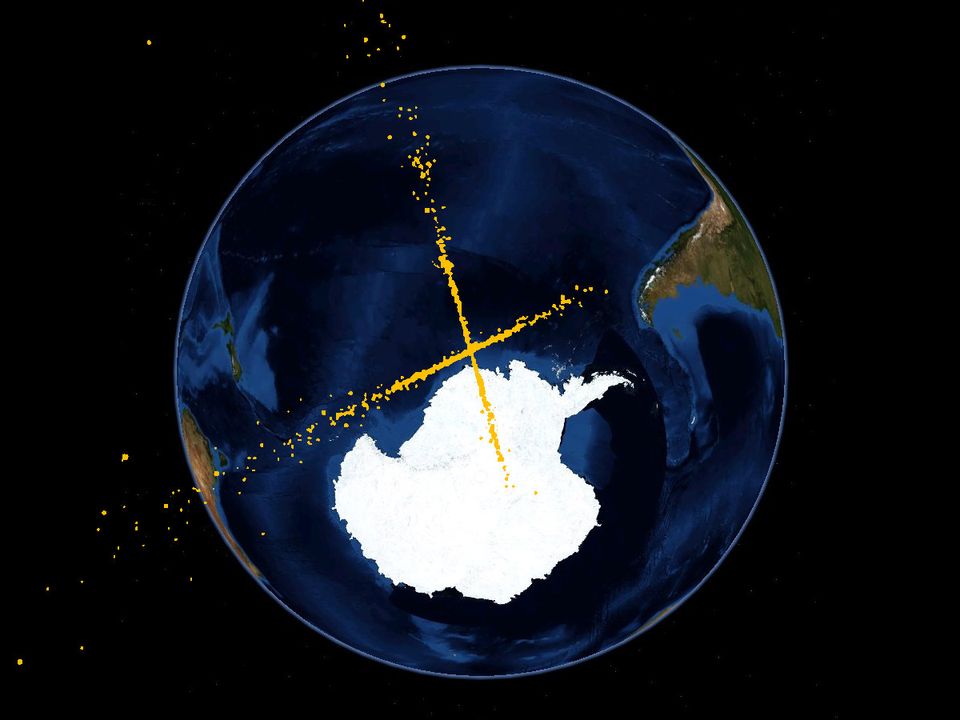
2009:

Organic agriculture increasingly lagging in the Netherlands

Pale green = transitioning into organic
Saturated green = fully organic
(as percentage of the country’s agricultural surface area)
https://nos.nl/artikel/2525231-biologische-landbouw-groeit-in-europa-maar-nederland-blijft-achter
Employers, look after your staff
Particularly young people aren’t doing very well at the moment. They’re lonely. It seems to be a global trend now.
Brits used to be Europe’s loneliest people, according to studies. I figured that they were among the world’s loneliest because each time when I walked down an English street and heard lively animated chatting and some laughter and the clink clonk sounds of glass and cutlery, it always came from foreigners. It also often applied when I sat in Portsmouth’s Le Café Parisien, which was one of my favorite spots for a long time.
I remember reading an article by a young English person about twenty years ago. She was on a business trip, sitting in her hotel room and realized that there was nobody she could call.
Studying how this loneliness disease came about in Britain may contain lessons for how to combat the loneliness epidemic around the world. One of the solutions is surely to stop boxing people in according to age. It does not only isolate the elderly, it also isolates the other age groups and perhaps particularly young people.
There’s also this:
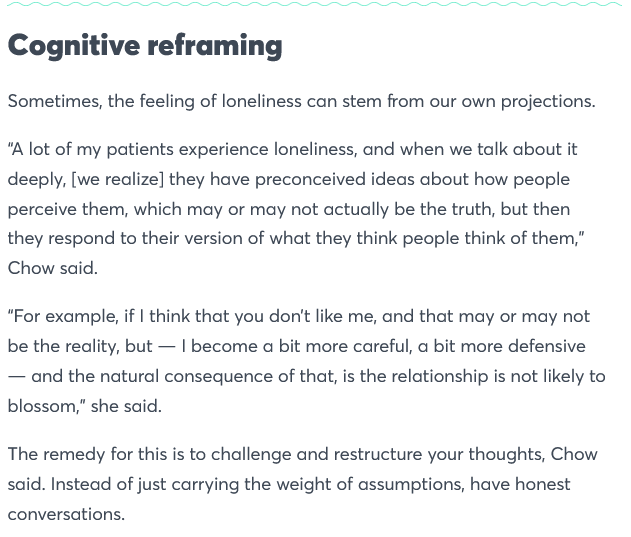
https://www.cnbc.com/2024/06/19/loneliness-is-on-the-rise-globally-here-are-5-ways-to-combat-it.html
Then again, a big part of the loneliness epidemic is also surely the idea that being on your own is bad. People may be ruminating too much about their perceived loneliness instead of living their lives. Blame social media? More and more young people are now ditching their smart phones because they want to have meaningful interactions in real life again.
Why Marlene Engelhorn is right

Humiliation
What is that?
Statements such as “it is very humiliating for so and so” when it was others – not so and so – who did something really stupid or embarrassing to someone else made me realize that “humiliation” is as ill-defined as dignity.
When I explored dignity, it became clear to me that dignity is so personal that it can only be defined by the person it applies to. A life in dignity hence is one in which one can make one’s own decisions and opinions and communicate them, also when communicating them is not easy.
Humiliation, on the other hand, has little to do with the person or persons it is about. It is fully defined by the person or persons who find something humiliating, for someone else. What it does is express the opinion that the other person is perceived as a lesser human or a lesser being.
It’s hilarious when a pet has something on his head or a person has a piece of paper on his back, just a friendly slap and presto. But the pet or person is not aware of it, so it’s got nothing to do with the being that is perceived as experiencing humiliation.
When someone is attacked, it can also be perceived as “humiliating” but it has nothing to do with the person who is attacked. It’s entirely in the mind of the perceivers. When I looked into related word, I realized that it seems to be connected to “to bring low”, so maybe it is about making someone appear less than the person actually is.
It’s a really baffling concept when you think about it.
Just consider someone who gets soaked in a rain shower. I once read that it’s an absolute faux pas to show up at a job interview looking as if you’d just been in a shower. That it could be seen as evidence of bad planning or not being very capable. But the fact is that you don’t control the weather and if you plan to get a taxi that will drive you into the parking garage of a building so that you can enter that way, you could get stuck in traffic or find the parking garage temporarily closed. Umbrellas have their limits.
Humiliation is a fascinating concept.
Why is this “humiliating” for the dog? It’s funny. But why do some people call this humiliating for the dog?
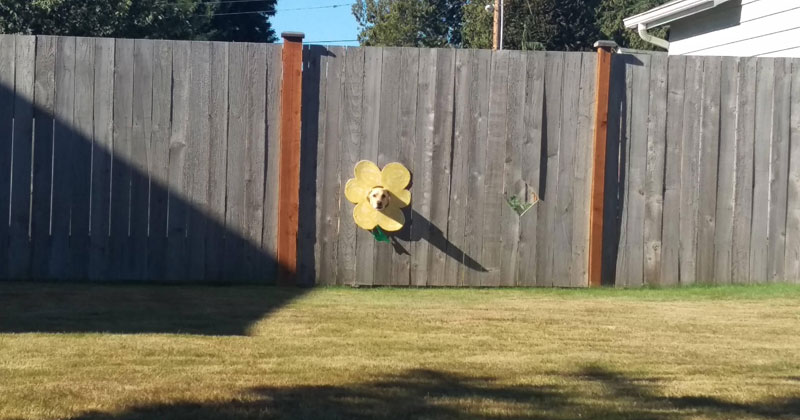
This is hilarious, in my eyes. I can’t tell you why the lower photo is hilarious, but it is. In the above photo, it is the discrepancy. Oh, wait, that also applies to the lower photo.
But if it is also humiliating, then why?

This one is terrific, and also hilarious. Is this one also seen as “humiliating”? I bet not.
So humiliation truly is in the eyes of the beholder and as such often says more about the beholder than about the person (or being) they are looking at.

It’s related to otherization, somehow. It’s got something to do with playing with boundaries. It could hold the key to some of the challenges the world is dealing with.
It’s why people like Nigel Farage sometimes get treated to a milkshake or a cake.
(Oh, it’s just happened again! In Clacton, on 4 June. I didn’t know that.)

https://www.bbc.com/news/articles/c6pp7yg0y3po
Is it intended to bring them down from their high horse in that case? It’s definitely intended to break their stride. Maybe it’s done to make them feel what they are doing to others. Because their rhetoric whips up a lot of hate and it leads to worse than people throwing milkshakes at them.

This
Not “retired” but the rest. Retired is for 9-to-5 salary junkies.

How we treat the over-45s but shouldn’t
I happen to have had a physically tough week. I’m so done with that too. I need all those hippos off my chest. Be free again.
Where I am right now, it’s ridiculously similar to Portsmouth in some respects. 😁
You provide services to clients. Or you have a shop. What do you tell your clients if you have a stalker who may happen to be a hacker as well?
Only 15% of Wikipedia’s editors are women

Sadism at a care facility for disabled people in the Netherlands
I can’t help but wonder HOW MANY TIMES the victims asked for help and were dismissed.
Because would you believe someone if they tell you that:
- they were being pushed under water
- soap was squirted into their mouths
- urine was thrown at them ad over them
Father and son-in-law have just been sentenced to five years, and to pay damages to six of their victims (which is very rare and usually very modest in the Netherlands). Sadism, said the court. These are people who enjoy hurting people, said others.
People who are this controlling and sadistic often are also experts at spinning tales about the people they are abusing, which makes it even less likely that anyone will believe them.
Complaints about sadism are often ignored.
In England, many people WATCHED as they saw a radiant young woman change in front of their eyes as she became kept as a slave and inundated with sadism. She was eventually found in a cupboard, emaciated and dead.
I know very well how this works. If you dare talk about what is going on, people will experience you as unpleasant, and as making things up.
People see what is happening, because it is essentially happening in front of their eyes, they know that something is going on, they know that what is happening does not add up, yet they CHOOSE TO LOOK THE OTHER WAY and blame the victims.
Things like this can only happen with the full cooperation of people who witness it and choose to blame the victims.

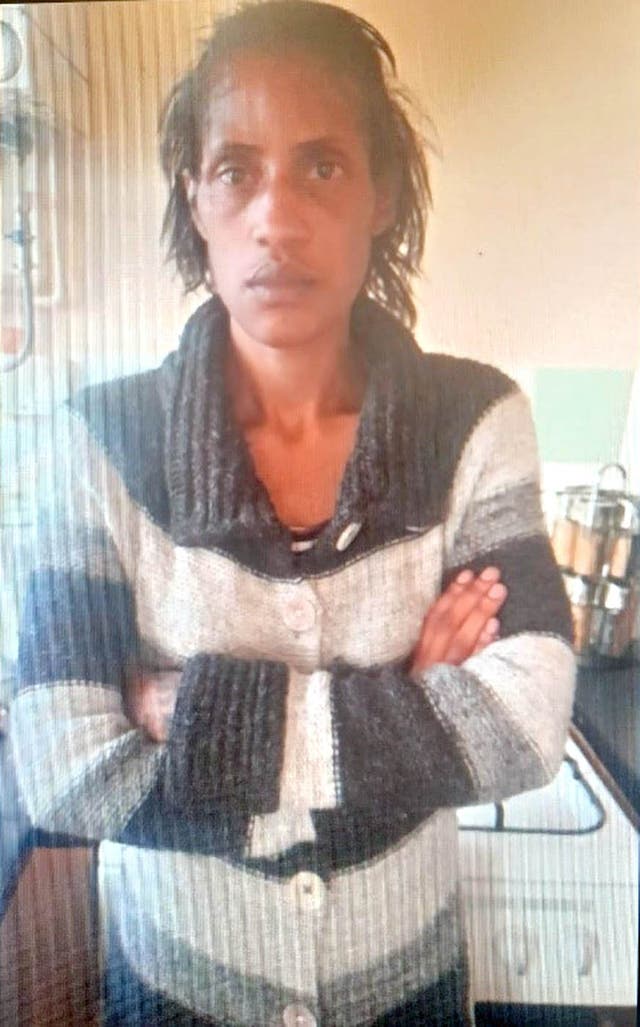
Many people become abusive or controlling or sadistic when someone else depends on them and has no recourse. Never never never ask people for help (if that means that you’d then depend on them) unless you are one thousand per cent sure that they won’t abuse you. Because you might end up in an even worse situation, otherwise.
Having (mostly) been inundated with hate for two decades, I know how strongly it can affect a person, how it can change you. It does not require you to have been a mentally weak or cognitively impaired person at the start.
Harvard-trained psychologist: 8 phrases to set healthy boundaries at work for more ‘safety, fairness and meaning’
1. ‘I need more time’
2. ‘I’m not available’
3. ‘I need help’
4. ‘Please speak to me respectfully’
5. ‘I have a suggestion’
6. ‘I feel underappreciated’
https://www.cnbc.com/2024/06/12/harvard-psychologist-how-to-set-boundaries-at-work-what-to-say.html
I agree! (climate, environment, the Netherlands)
Citizens need to start taking personal responsibility, says advice council.
In the Netherlands, people are extremely individualistic but they also rely heavily on local and national government and don’t necessarily like taking initiative. “Everything needs to be BIG. It can’t be small; that means that it doesn’t get taken seriously.” That needs to change. Every little step counts.
Most are still really into greenwashing themselves green as far as I can see, but people’s lifestyles need to change.
Yes, more attention for brain damage in crime suspects, please!
I agree. A brain scan should become standard. We already take fingerprints.
I argued for this in my book “We need to talk about this”. Now a professor in Forensic Neuro-pedagogy (Maaike Kempes) is saying something similar.
One third of young Dutch criminals have brain damage, she says. Brain damage can mean that someone may have little control over the person’s behavior. They can for example get into fights and traffic accidents more easily than people without brain damage. Stress such as caused by financial difficulties in combination with brain damage can aggravate this.
Neuro-pedagogy is an interdisciplinary field that combines neuroscience and education to understand how the brain learns and how to apply this understanding to improve teaching methods and educational outcomes. This field aims to bridge the gap between brain research and practical teaching strategies, providing insights into how cognitive processes such as memory, attention, and emotion influence learning.
https://nos.nl/artikel/2524033-hoogleraar-meer-aandacht-nodig-voor-hersenschade-bij-verdachten
Want to live happily ever after? Go “planet first”
Never mind
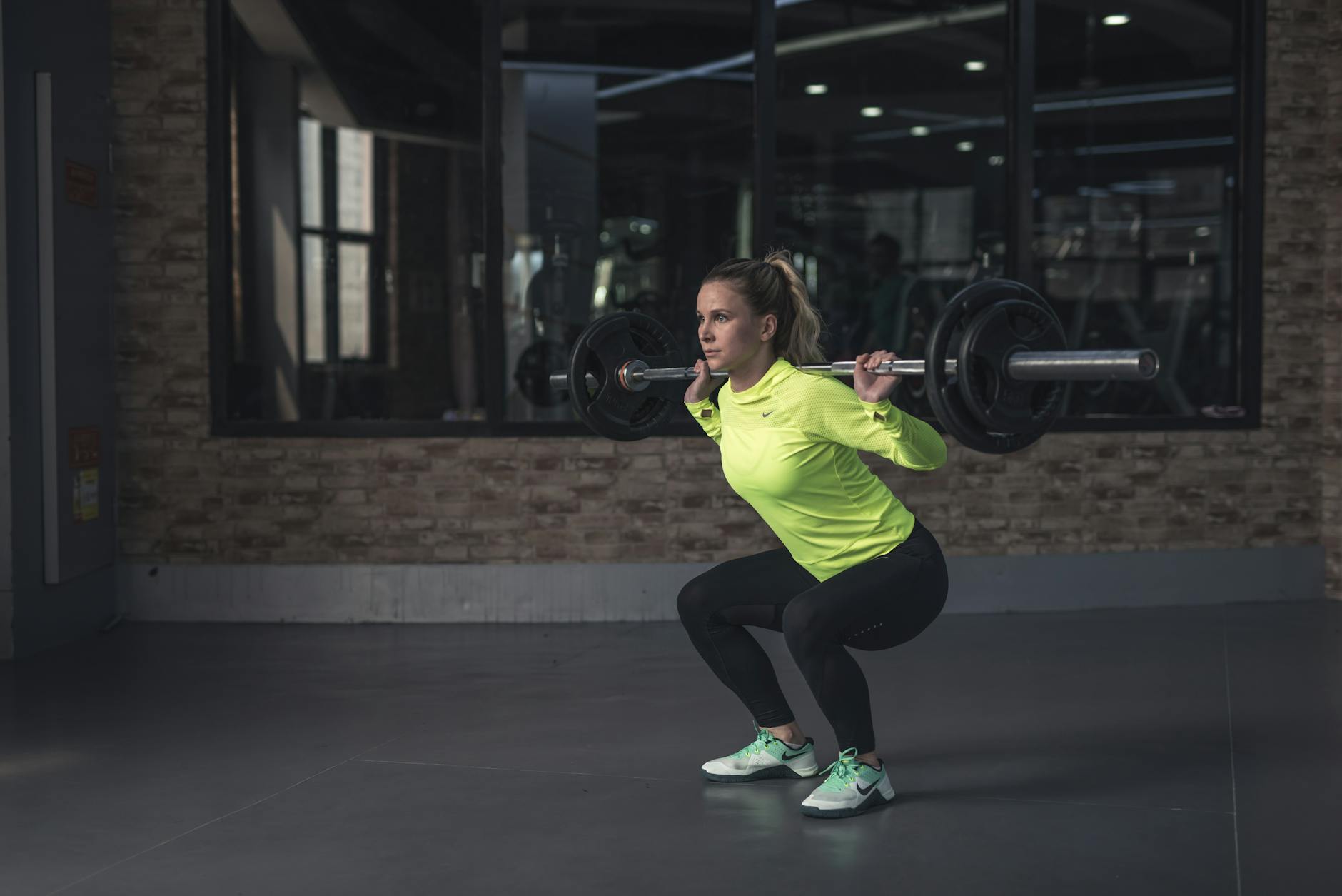
This is life. The weights never get lighter.
Yikes – versus not yikes (EU)
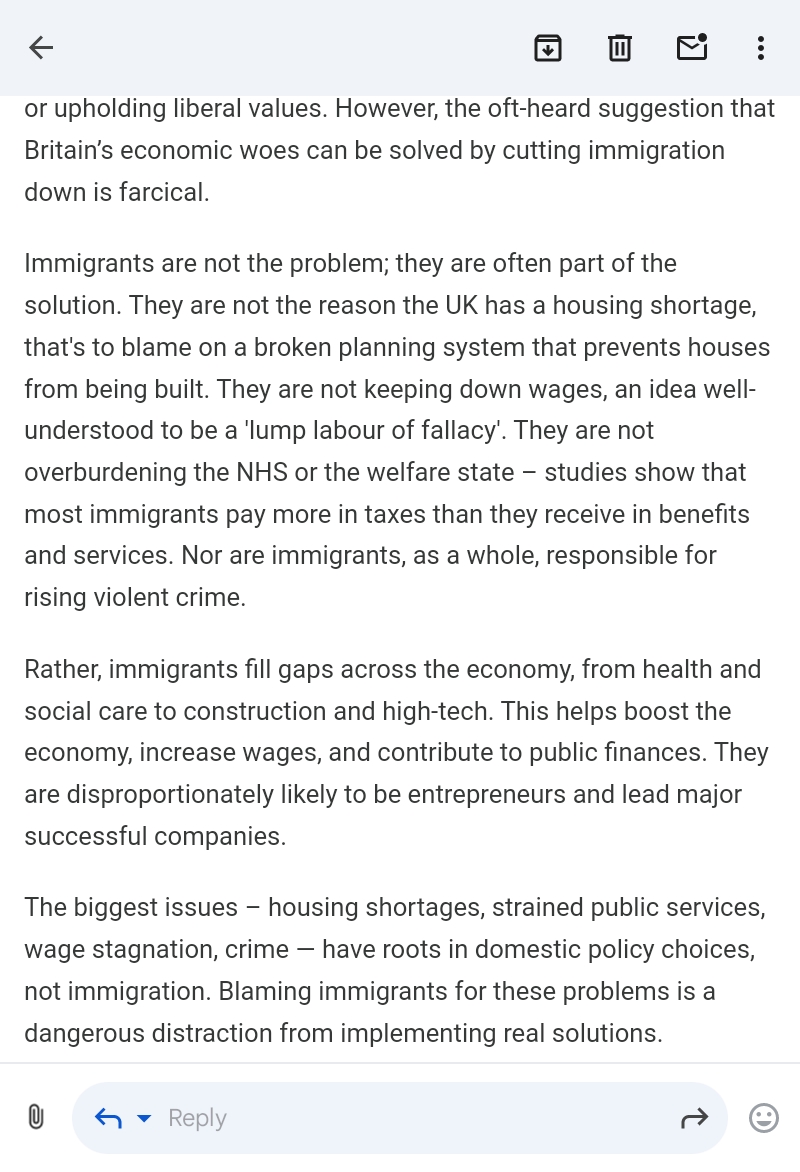
“Immigration is not the problem” says right-wing think tank (UK)
“Immigration is not the problem.”
That says even the supposedly right-wing think tank that calls itself the Institute of Economic Affairs.
Below is part of the email that it sent under that heading today.
Continue reading
What do a hardcore English Conservative (Penny Mordaunt) and I have in common?

Penny Mordaunt, MP for Portsmouth North and leader of the Commons, and I both lost our mothers to breast cancer when we were teenagers.
Continue readingEU elections, Dutch component, plus UK 7-party debate on BBC this evening
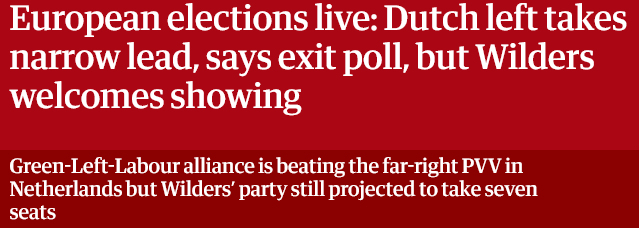
I’m glad I voted after all. The ones that did, like me, even if they considered not voting, like me, helped achieve that narrow lead. #notinmyname
Later followed by this, also in the Guardian:

This evening is also UK election debate. I wonder if the BBC will stream it on YouTube. Let’s find out…
Yes, streamed on site.
Yuck, weasel Farage, been hiding under a stone for so long, has popped up again. Mordaunt looks tired. Never seen her look this tired before.
Yes, Penny (Conservatives), re laughing stock.
Yes, Carla (Greens), this election – more than ever, perhaps – is indeed about what kind of country we want to live in.
No, Angela, bringing up the non-dom issue in response to questions about the NHS is bollocks. Shameful! That’s almost like Theresa May.
Malarkey, Nigel.
Oh, Penny messed up? Portsmouth already had a dentistry department at the university, but I may have misheard.
Angela is basically just as big a disgrace as the Tories. And she is modulating her accent on purpose. Wow.
Lorenzo Barba, member of the public, doesn’t want immigration? No, he wants responses.
Thank you, Stephen!
Malarkey, Nigel. Malarkey.
Thank you, Rhun!
Penny sayin’ this from a town that was and is built on immigration, also from within the UK, that migration is too high. Portsmouth would collapse without the money spent there by its high percentage/number of mostly very highly educated foreigners.
Thank you, Carla!
Side note: fact checking going on in the background.
By the sound of it, Wales and Scotland still remain the brains of the UK, which is reassuring.
There’s not enough difference between Labour and the Conservatives.
As evidenced by how similarly they went at eachother?
(Penny’s lost her edge. OMG. I’ve seen her at the Guildhall in 2010 or thereabouts. She was so much more impressive then. I had to admit that she came across as highly capable. She’s lost that. At least during this debate. Makes sense. Back then, the sky was the limit. Nothing to lose. Now she has nothing left to lose and nothing left to gain. She’s going nowhere.)
Nigel is just calculated hot air. It’s just words, no substance.
Wow. The applause so far goes for Green, SNP and Welsh views. (Welsh=Welsh Labour, Plaid Cymru)
Penny dodging the question, like so often.
Thank you, Mishal, moderator. (Repeatedly)
Apparently, Rishi Sunak makes 30 million from his investments, not 2. (Gary Stevenson initially thought it was 3, then corrected it to 30. I assume he’s correct.)
Nigel remains just another Boris.
Carla, yes, it’s called dithering and it’s bad for businesses when they can’t plan.
Penny, you’re lost. It’s hilarious how she deliberately tries to channel Theresa May and appear prime ministerial and then goes off the rails again.
There they go again. Angela and Penny show they cannot govern the country.
Carla, you should have had that number!
Dang, Nigel gets applause for stop and search.
Lower crime numbers do not represent less crime, just fewer people reporting crime.
Many young people don’t feel safe, agreed. Which is why many carry knives.
Many older adults don’t feel safe. Many women don’t feel safe.
Police have not been investigating most crimes for a long time. I doubt that job satisfaction among police officers has increased under the Tories.
Angela turns up her accent again during her final statement.
(It obviously plays no role for Wales and Scotland.)
Carla!!! You mindreader! 😁
(I suppose that’s why I was a member of the Greens for a while. I’ve been saying that Labour and the Conservatives are too alike for years. Yes, it’s gotten worse under Starmer.)
I agree with Wales needing to be taken into account.
Ha ha, Penny.
Nigel, fighting for ordinary people? Since when?
THE END
And that’s when I realized that I don’t think I have said anything about the Lib Dems…
Also, can people in England vote for Plaid Cymru or the SNP? I don’t know.
I assume that the BBC will have the video of it up soon and then I will post it below.
8 June 2024
The BBC has only published bits of it on its YouTube channel and so have other channels.
The Guardian calls Farage a confident speaker. Yes. It’s Boris Johnson’s style. It’s not suitable for anyone seeking to lead. Other than that, yes, indeed, he was on the fringes of the action, mostly piping up as if he were entertainment in a break.
So it’s still about who shouts the loudest? I hope not.

https://www.bbc.com/news/articles/clddkpy66eno

And here below we have a former political journalist from the BBC (Sr True Dedication) trying to achieve the opposite of what Rayner and Mordaunt seem to want. Apparently, half the world is having elections this year so half the world is determining what kind of leadership it wants.

Please don’t mix games with reality, that’s insanity
On this website, I’ve mentioned a few times before that I sometimes have the impression that some people out there have lost the ability to distinguish between computer games and real life and that I find that worrisome.
So stunts as described in this CNN article do not please me and I am reassured to see that the guy behind it is being charged. Stunts like these normalize violence and destruction. That’s dangerous.

This (housing, income)
Remember what I’ve been saying lately? It’s simple arithmetic.


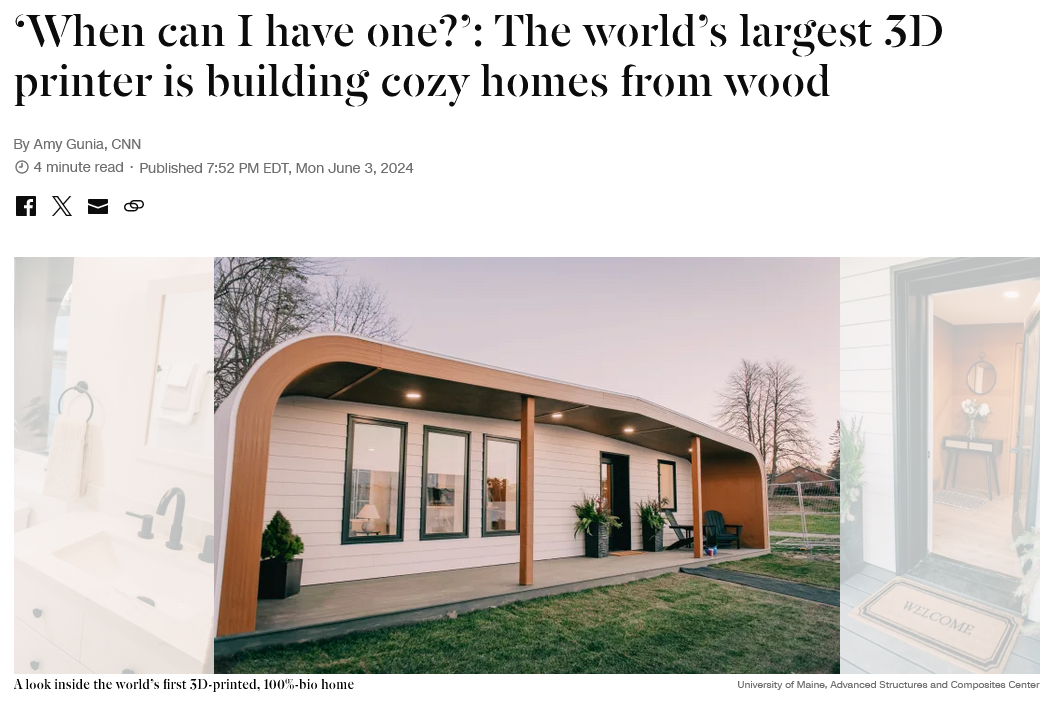
Another housing crisis solution!
I’d want one if I had a patch of land in the US or some other countries where I could have one.
https://edition.cnn.com/style/worlds-largest-3d-printer-homes-maine-hnk-spc-intl/index.html
Jeremy Bentham update
I am not the only one who found this father of utilitarianism – and his disciple John Stuart Mill – cold and callously calculating, but there may soon be a little bit more insight into how this extremely privileged pampered person saw the world.
The solution for Dublin’s housing crisis? Van life!
Only seven EU countries require parties to reveal identity of all private donors
Spain and France are among the most opaque when it comes to declaring who party funders are, analysis shows.
- Quarter of political donations in EU go to extremist and populist parties, data reveals
Only Bulgaria, Czech Republic, Estonia, Greece, Latvia, Poland and Croatia require the source of all donations to be identified.
Legalese: Commas matter
Years ago, when I was drafting documents for a lawsuit that I had started on my own and was carrying out on my own, I contacted a local lawyer to ask him about a term. (Well, technically, he was in Fareham, I think.) He didn’t understand why I was making such a fuss about one word.
Having worked at top law firm Clifford Chance (while also working at VU University and starting my small business and convening a conference session in Boston), where we drafted and printed and edited and printed and edited and printed and edited and edited and faxed and edited and edited agreements that were usually around one hundred pages, I knew that even a comma can make a crucial difference, and as I wasn’t dealing with small-time solicitors but with the lawyers for insurance companies (and a London-based barrister), I couldn’t afford to make a mistake that might accidentally undermine the point that I wanted to make. I wanted to avoid any ambivalence.
For those of you who think that I am exaggerating, read this article about how a single comma is deciding over the fate of so many humans:

What the ICJ should have written is the following.
Instead of writing that Israel should
“Immediately halt its military offensive, and any other action in the Rafah governorate, which may inflict on the Palestinian group in Gaza conditions of life that could bring about its physical destruction in whole or in part.”
The ICJ should have written that Israel should
a) Immediately halt its military offensive; and
b) Immediately halt any other action in the Rafah governorate, which may inflict on the Palestinian group in Gaza conditions of life that could bring about its physical destruction in whole or in part.
Why didn’t it?
Time to look into that ruling: https://static01.nyt.com/newsgraphics/documenttools/95964284e55d5c79/b0c539e2-full.pdf
Okay. It was definitely meant in the latter sense is my first impression after having taken a look, so this was sloppy writing.
Continue readingDream interpretation: What your nightmares really mean
This
I watched a film last week that turned out to be based on true events. A textile worker befriended a guy in prison and helped him escape with the aid of a helicopter which she hijacked and forced to land in the prison yard. It happened in 1985. It struck me that not much in her life changed when she went to prison.
