(This is what I call a disease. It’s not a mere expression of diversity. There are no positives as far as I can see.)
Health
Stinky feet story
Are you getting really stinky smelly feet, yuck, gross, and are you for example blaming it on your new shoes?
Because you can’t figure out what’s going on?
Perhaps in despair you’ve ordered one of those UV disinfecting wands for your shoes.
Well, if it happens to be the case that you recently moved, ask yourself if you used to have the habit of treating your feet to a nice warm salt footbath every once in a while. Have you lost that habit?
If so, reinstate it. Problem solved, I bet.
(You may need to replace your socks, too. Washing at 60 degrees may make the problem worse. Washing at 90 or 95 degrees is better, but most socks can’t handle that. See links below.)
Look after your feet. They’ll thank you in so many ways.

How you can tell that this image is AI-generated? Nobody ever places a footbath at height. You place it on the floor. This AI clearly doesn’t know that. It thinks it’s like doing the dishes.
Let me know if you disagree.
The science of dirty laundry
Most people wash at 30 or 40 degrees Celsius these days,but that’s rarely enough to get rid of bacteria.
Some bacteria really thrive at 60 degrees C. Stinky feet bacteria are examples of those, if memory serves me right. So you have to get close to boiling to get rid of that “Cheetos to the power of 100” smell or find a different way to disinfect your socks.
Below are some related research papers. I remember that the Guardian or a different major newspaper had an article referring to this type of research too, a few years back, telling us readers that our clothes tend to have remained dirty after a washing cycle.
A quick tip: Using a tumble dryer also helps get rid of bacteria.
- Laundry hygiene and odor control: State of the Science https://pmc.ncbi.nlm.nih.gov/articles/PMC8231443/
- Your washing machine may not actually rid clothes of harmful bacteria https://www.newscientist.com/article/2478665-your-washing-machine-may-not-actually-rid-clothes-of-harmful-bacteria/
- Level of decontamination after washing textiles at 60°C or 70°C followed by tumble drying https://www.researchgate.net/publication/268791510_Level_of_decontamination_after_washing_textiles_at_60C_or_70C_followed_by_tumble_drying
Why the Clinical Diagnostics hack is such a nightmare
This is MUCH MORE than a mere ransomware attack.
These patients risk getting hounded for years.
I know what I am talking about.
People think that these are goofy little dorks, the people who do this. Wrong.
On the basis of my blood test results, people like that tried to make me believe that I had blood cancer. That was in Portsmouth. Someone else might have fallen for it. I didn’t. I didn’t bother telling my GP practice about it.
On the basis of my eye test results here in the Netherlands, people tried to make me believe that something was seriously wrong with my left eye.
This Clinical Diagnostics hack involved Amphia patients. I have known for over a year that Amphia’s systems are not secure. That does not mean that this hack took place via Amphia but it is possible.
I am aware of several other Dutch systems that aren’t secure. I am not going to mention them here as it would signal to other hackers that these systems are vulnerable.
Asbestos class action (well, sort of) in the Netherlands against Eternit (may have affected my dad too)
My dad died of lung cancer in 2016, within a month of being diagnosed, I was told at the time.
There were photos – if memory serves me right – of people using a circular saw to cut up the sheets of Eternit cladding for my dad’s cooling facility. The year was 1970 or thereabouts. I was still in primary school, I think. I certainly remember the construction.
My dad was a milkman and grocer. We also had a facility for cleaning and rinsing glass bottles but that was being phased out and was later turned into my bedroom so that my sister’s could each have their own bedroom on the same floor.
I’m sure that my uncle Harrie assisted with this project. He too died of lung cancer.
Likely mere coincidences. Then again… who knows?
Current issue of AMA Journal of Ethics is dedicated to sleep
Sleep Stewardship
Sleep hygiene, causes of sleep disruption, and sleep disorder interventions are recent, important topics of health and cultural awareness. The better one’s sleep quality over their lifespan, the better their health status and health outcomes, so who has reliable access to quality sleep is not just a clinical matter, but one for ethics and justice. This theme issue’s focus is broader than poor sleep pathologies and investigates how sleep is, perhaps, best conceived as a communal, natural resource. We all need clean air and water, shelter, nutritionally dense food, and sleep. Of course, we sleep as individuals, but our common human interest in quality sleep of sufficient duration generates collective obligations to respond equitably to chronic health conditions that exacerbate poor sleep patterns; to support conditions for feeling safe, peaceful, and calm enough to rest; and to mitigate noise and light pollution that compromise our and our neighbors’ sleep environments.
The above is some honestly stolen content from that issue. Most of the articles are about medical aspects including education, but one is titled “Sleep Is a Human Right, and Its Deprivation Is Torture“. I draw your attention to it.
A good daily practice to have, 14 minutes
Health matters
My right rib cage began to sting. Ouch. Memories of 2017 returning.
I remembered the veterinary medicine tip from my good friend Julie. Coupage.
Applied it.
A lot of goo started coming out. Is still coming out. In the winter, this mucus gets much denser. So it starts clogging up my airways. (That’s what causes the stinging, I think.) Lower temperatures here may play a role too? Fearful/stressful situations leading to shallow breathing can play a role too, I think. Not enough exercise as well.
Started to feel better then and the aching began to subside. Not gone yet. It’s a matter of daily maintenance.
A few years ago, I started taking N-acetyl cysteine to thin the mucus – helps a lot! – and usually up my dosage in the winter. I just did that. Thankfully, I only recently started a new bottle.
I may be coming down with a flu, though.
Also, my vitamin A levels are low. Everything is pitchblack when I turn off the light and leave the toilet. Can’t see a thing. Nothing. Just black. That’s Vitamin A shortage. Fixable.
Also, no more costly compromises.
This is about what _I_ need right now, not about how many hoops I can obediently jump through.
No more scapegoating of “poor little learning-disabled” me.
No more of the “running from” that started in Portsmouth. Running toward only.
I’m the captain of the ship that is my life.
Period.
Continue readingFour factors that result in boredom and, ultimately, brain death
- Monotony
- Lack of purpose
- Constraint
- Poor fit between our skills and the challenges of the moment
Frustration = When we want to do something but can’t
Boredom = When we can’t figure out what we want to do
I found this in one of my notebooks today. I’m sure that this comes from a video I watched or an online article I read. Worth sharing.

This, I like
And it’s on sale. Half price!
3M’s history with PFAS
https://www.propublica.org/article/3m-forever-chemicals-pfas-pfos-inside-story
(The Kris Hansen story)
Also, my tablet currently thinks it’s in Malta again. Or Google feeds it Malta stuff, to be exact. The Malta stuff that I recently posted about was on my computer. Different SIM card, different phone.
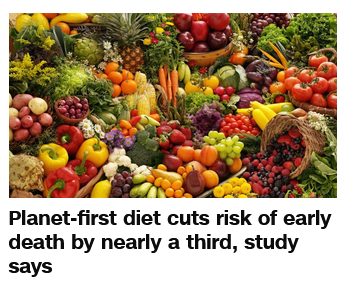
Want to live happily ever after? Go “planet first”
Eye wish
I wish that in the past decade or so, someone had clued me in to the fact that my vision problems were merely caused by DRY EYES. People have no idea how much it can interfere with working on a computer, particularly when it concerns work that isn’t really interesting (which makes it much easier to get distracted and annoyed by blurry vision).
Dream interpretation: What your nightmares really mean
We are our brains to such a large degree
Spoiler: it was a form of encephalitis that landed her on that psychiatric ward and meds for psychosis
Aquafaba
Update: it’s actually pretty good as it is, what I whipped up today. It wasn’t the vinegar of which I added too much, it was ground mustard seeds. They are pretty good.
In an attempt to lower the number of (plastic) jars of vegan mayo I purchase and throw less stuff away that is actually useful and nutritious, I just tried my first aquafaba recipe.
I didn’t get the proportions right as the recipe was on my computer in another room and I mixed up teaspoons and tablespoons – and I was using cups, anyway. I’m also not using a fridge. Instead, I placed the mixture in the microwave and heated it up; that too thickened it up really nicely. (That possibly was because I had resorted to adding some corn starch, which I may not do next time.)
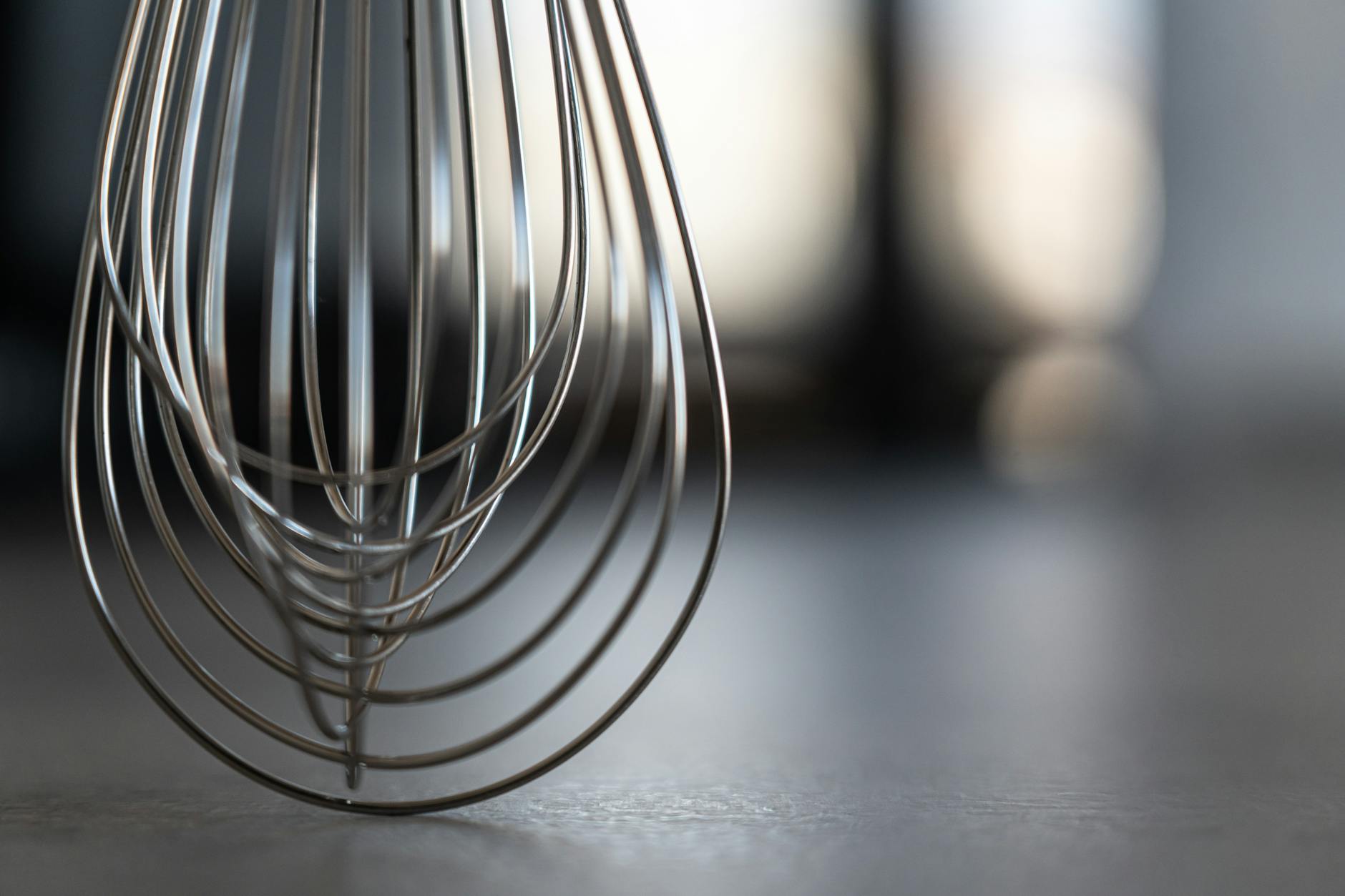
I used a plain metal whisk, by the way, not a blender. (Bamboo whisks exist too.)
I used olive oil, but I didn’t want to use up all my olive oil because I didn’t see much thickening, likely because I had added to much vinegar.
A tip: If you heat olive oil, it can lose its super healthy properties that help protect your heart and vascular system (according to a BBC program that I watched a few years ago). I don’t know at what temperature that deterioration kicks in, but heating a bowl in the microwave for one or two minutes is probably very okay.
My very first mayo attempt is a little too tart – my fault – and to make up for that, I’ll add some ground almonds. Ground almonds, that’s my shredded cheese.
Next time, I’ll get it right. I can tell. I’m very pleased.
Did you know that you can also use tofu juice and the juice in a can of peas as aquafaba? Can, that’s tin, for Brits.
If I tin do this, so tin you.
What sparked this? I was eating courgettes and chickpeas yesterday and thought “Some mayo with this would be nice.” Chickpeas come with the best aquafaba. Courgettes, that’s zucchini, for Americans. (Ameritins?)

(Also, I am being ravaged by gnats in my sleep. Apparently, they hate the smell of vanilla. I don’t. So I’m going to try that too.)
Need more inspiration for what you can do better in terms of sustainable living? This may help:
I too really wrestle with the fact that the actions of the species Homo sapiens are often so harmful and so thoughtless.
I’ve seen a pigeon realize that mice, no matter how annoying mice can also be to pigeons, need food to survive, to my amazement. I had a pet pigeon who often spilled her food and I had a neighbor with mice who would sometimes venture into my place. It dawned on the pigeon what was happening and she stopped spilling food where she spent most of her time, and where she did not want to see any mice, but I also saw her spill food off a high shelf one day, very deliberately – and then look down to see what would happen.
I’ve seen another bird species have empathy for cats.
The difference may be how secure biological beings are, in terms of food and shelter.
If that is the case, then greater equality and facilities like universal income might make a huge difference in the long run. It’s not easy to have empathy when you are struggling to support yourself, when you struggle to feed and house yourself. It makes total sense, doesn’t it?
The step toward living more sustainably becomes easier too, then.
I’ve also recently realized that my life in the past two decades would have been much easier if I had owned a car. I’m still digesting that. The issue is actually a different one, but today’s world sometimes forces certain choices and limitations on us. Balancing them out is a bit like choosing between local loose apples that are not organic or organic apples or vegan products that are packaged in plastic and can have been shipped around the world. Not easy.
The solution is to find a local grower who does not use plastic to package organic fruits and vegetables in. In some regions, there are apps that make that possible, that allow you to connect with local organic farmers and order products from them.
Headaches… (and coincidences)
They’d been plaguing me for far too long (a few weeks now) but are slowly starting to go away…
(Yes, they’ve hampered me recently. What can I say? I am merely human.
Having a bad headache usually doesn’t result in brilliant thinking.)
I was – am still – dealing with gallbladder congestion, massive sinus congestion and esophagus issues. (It’s all related and in turn can affect circulation.) I know how to deal with this. We all have our weaknesses. My body needs to be working like a race-horse’s because if it isn’t, it really starts to buck to get my attention. That’s the non-conscious part of the brain kicking in, trying to get through to the conscious part.
Also… I just wrote the following… (see below). Then, when I was looking for an address to send a book to, I discovered that I have a niece who’s just completed a BA in psychology (though her thesis calls it a BSc, likely as per Dutch university instructions). Topic? Bullying in care homes (among residents). That’s an interesting coincidence. (I took a quick look. I suspect that I might really like you, niece, if we ever were to meet.) It’s made me smile.
I think that I should mention now that because of the housing situation and the plethora of regulations and registration requirements in the country that I am currently in, I am living in an actual nursing home – care home – in a small municipality surrounded by agricultural land, miles away from anything, far away from places where I would like to be and need to be.
I thought I’d be content (and resourceful) enough to make it work. I was completely unprepared for the lack of privacy – which I have found some solutions for – and the fact that when nothing is physically wrong with you and you are much younger than most other residents, almost everyone assumes that you either have dementia or must be learning-disabled (“except most of the residents,” I should probably add).
I’d also not at all considered the fact that people who go live in such places go live there to die there. Ambulances are frequent visitors as are undertaker vans (and removal lorries), along with the daily tides of carers. The hopelessness and emptiness is often overwhelming and the lack of respect and consideration with which you get treated is not really cheering me up either.
That’s partly my fault because I feel so out of place here. (That’s for other reasons, too, including having lived abroad for so long.)
At first, strangers who didn’t know that I was living here too even sometimes made remarks along the lines of all people who live here no longer being interested in anything whatsoever, everything passing them by. To almost everyone else, you become a thing when you live in a place like this. You’re seen as frail, by definition.
I had really underestimated how incredibly hard this would be.
(Don’t worry, not everything is bad.)
Hundreds of people – all kinds of staff and other visitors – walk in and out throughout the day and because there are also people with dementia here, you have to go through a set of sluice doors – that’s a lock – of glass doors. After hours, you need to tap in a code to be able to leave. During the day, you have to wait for the other doors to have closed but there is enough staff and a receptionist to keep on eye on wandering dementia patients.
Crazy Dutch weather and headaches
Chronic stress is bad for your health
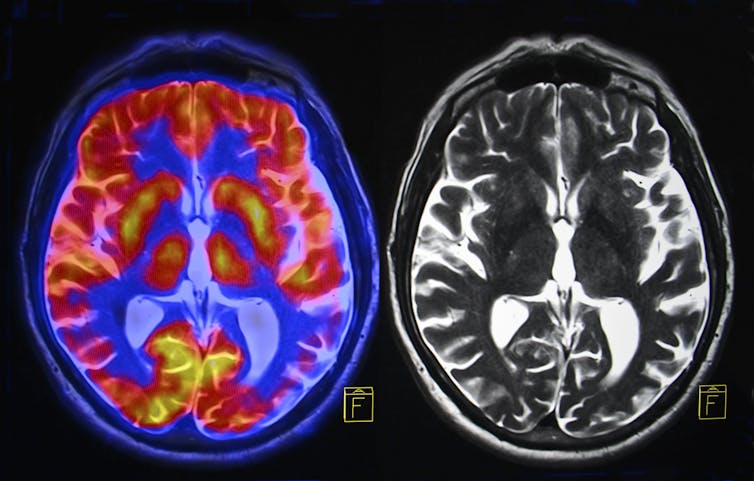
How chronic stress changes the brain – and what you can do to reverse the damage
Semnic
Barbara Jacquelyn Sahakian, University of Cambridge; Christelle Langley, University of Cambridge, and Muzaffer Kaser, University of Cambridge
A bit of stress is a normal part of our daily lives, which can even be good for us. Overcoming stressful events can make us more resilient. But when the stress is severe or chronic – for example caused by the breakdown of a marriage or partnership, death in the family or bullying – it needs to be dealt with immediately.
That’s because repeated stress can have a huge impact on our brain, putting us at risk of a number of physical and psychological problems.
Repeated stress is a major trigger for persistent inflammation in the body. Chronic inflammation can lead to a range of health problems, including diabetes and heart disease. The brain is normally protected from circulating molecules by a blood-brain barrier. But under repeated stress, this barrier becomes leaky and circulating inflammatory proteins can get into the brain.
The brain’s hippocampus is a critical brain region for learning and memory, and is particularly vulnerable to such insults. Studies in humans have shown that inflammation can adversely affect brain systems linked to motivation and mental agility.
There is also evidence of chronic stress effects on hormones in the brain, including cortisol and corticotropin releasing factor (CRF). High, prolonged levels of cortisol have been associated with mood disorders as well as shrinkage of the hippocampus. It can also cause many physical problems, including irregular menstrual cycles.
Mood, cognition and behaviour
It is well established that chronic stress can lead to depression, which is a leading cause of disability worldwide. It is also a recurrent condition – people who have experienced depression are at risk for future bouts of depression, particularly under stress.
There are many reasons for this, and they can be linked to changes in the brain. The reduced hippocampus that a persistent exposure to stress hormones and ongoing inflammation can cause is more commonly seen in depressed patients than in healthy people.
Chronic stress ultimately also changes the chemicals in the brain which modulate cognition and mood, including serotonin. Serotonin is important for mood regulation and wellbeing. In fact, selective serotonin reuptake inhibitors (SSRIs) are used to restore the functional activity of serotonin in the brain in people with depression.
Sleep and circadian rhythm disruption is a common feature in many psychiatric disorders, including depression and anxiety. Stress hormones, such as cortisol, play a key modulatory role in sleep. Elevated cortisol levels can therefore interfere with our sleep. The restoration of sleep patterns and circadian rhythms may therefore provide a treatment approach for these conditions.
Depression can have huge consequences. Our own work has demonstrated that depression impairs cognition in both non-emotional domains, such as planning and problem-solving, and emotional and social areas, such as creating attentional bias to negative information.

Andrey_Popov
In addition to depression and anxiety, chronic stress and its impact at work can lead to burnout symptoms, which are also linked to increased frequency of cognitive failures in daily life. As individuals are required to take on increased workload at work or school, it may lead to reduced feelings of achievement and increased susceptibility to anxiety, creating a vicious cycle.
Stress can also interfere with our balance between rational thinking and emotions. For example, the stressful news about the global spread of the novel Coronavirus has caused people to hoard hand sanitisers, tissues and toilet paper. Shops are becoming empty of these supplies, despite reassurance by the government that there is plenty of stock available.
This is because stress may force the brain to switch to a “habit system”. Under stress, brain areas such as the putamen, a round structure at the base of the forebrain, show greater activation. Such activation has been associated with hoarding behaviour. In addition, in stressful situations, the ventromedial prefrontal cortex, which plays a role in emotional cognition – such as evaluation of social affiliations and learning about fear – may enhance irrational fears. Eventually, these fears essentially override the brain’s usual ability for cold, rational decision-making.
Overcoming stress
So what should you do if you are suffering from chronic stress? Luckily there are ways to tackle it. The UK Government Foresight Project on Mental Capital and Wellbeing has recommended evidenced-based ways to mental wellbeing.
We know, for example, that exercise has established benefits against chronic stress. Exercise tackles inflammation by leading to an anti-inflammatory response. In addition, exercise increases neurogenesis – the production of new brain cells – in important areas, such as the hippocampus. It also improves your mood, your cognition and your physical health.
Another key way to beat stress involves connecting with people around you, such as family, friends and neighbours. When you are under stress, relaxing and interacting with friends and family will distract you and help reduce the feelings of stress.
Learning may be a less obvious method. Education leads to a cognitive reserve – a stockpile of thinking abilities – which provides some protection when we have negative life events. In fact, we know that people are less likely to suffer from depression and problems in cognition if they have better cognitive reserve.
Other methods include mindfulness, allowing us to take notice and be curious of the world around us and spend time in the moment. Giving is another – volunteering or donating to a charity activates the reward system in your brain and promotes positive feelings about life.
Importantly, when you experience chronic stress, do not wait and let things get the better of you. Early detection and early effective treatment is the key to a good outcome and good wellbeing. Remember to act in a holistic manner to improve your mood, your thinking and your physical health.
And you don’t have to wait until you are overwhelmed with stress. Ultimately, it is important that we learn from an early age to keep our brain fit throughout our whole life course.
Barbara Jacquelyn Sahakian, Professor of Clinical Neuropsychology, University of Cambridge; Christelle Langley, Postdoctoral Research Associate, Cognitive Neuroscience, University of Cambridge, and Muzaffer Kaser, Clinical Lecturer, University of Cambridge
This article is republished from The Conversation under a Creative Commons license. Read the original article.
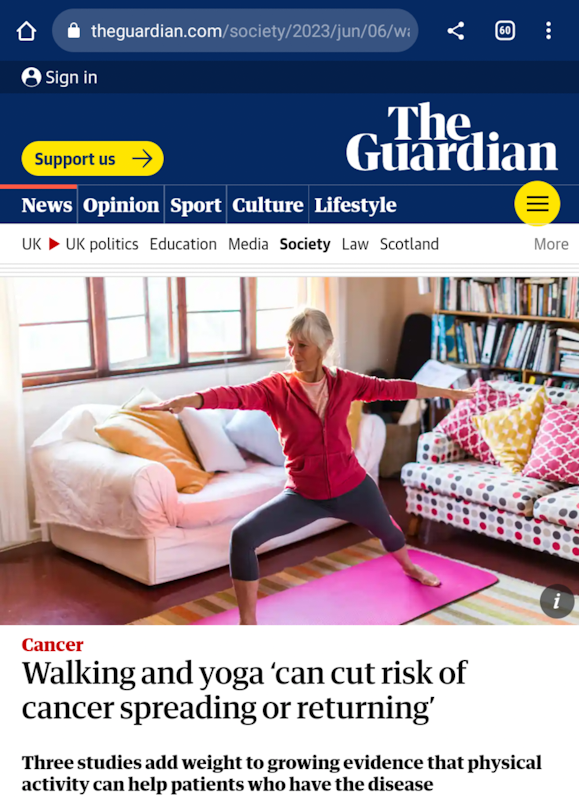
Couch potatoes, sit up and take notice
Two great tips for people with money in the UK
- Sun tunnels! https://www.sterlingbuild.co.uk/category/sun-tunnels
This is something I’ve been fantasizing about for a long time. There are other solutions on this website that will help you light up dark homes and enable heat from the sun to enter in colder weather and help vent hot air overnight in hot weather.
- Eco-Mate Sandalwood and Cedarwood Concentrated Non-Bio Laundry Liquid, Plant-based, 100% Biodegradable Paper Bottle & Contents, Vegan Friendly, Natural, Hypoallergenic, Plastic Free, Pack of 3 https://amzn.to/41d8G9K
Sounds fantastic! I love the fragrance of sandalwood and cedar. You too?
Oh, I love this!! You too?
Brrr, cold!
I was running my Crockpot overnight to cook a new batch of legumes. Different ones than last week. There are so many different legumes! This batch will last me about a week. I put it in pots and tubs once it’s cooled down. In the microwave, I then cook a batch of brown rice, with some white rice mixed in, every few days.
That Crockpot provided some heat, so there was no need to run a heater.
My feet were cold, however, and weren’t getting any warmer. So I got up, put the kettle on and filled a hot-water bottle.
Mmmm, toasty!

How I slow-cook my beans
What do you call a veterinarian who can only take care of one species? A physician!
‘One needs to feel safe’: Racism can put sleep — and its health benefits — out of reach
Tryin’a stay fit? Try this.
Telehealth. Do you want Facebook to have your medical data?
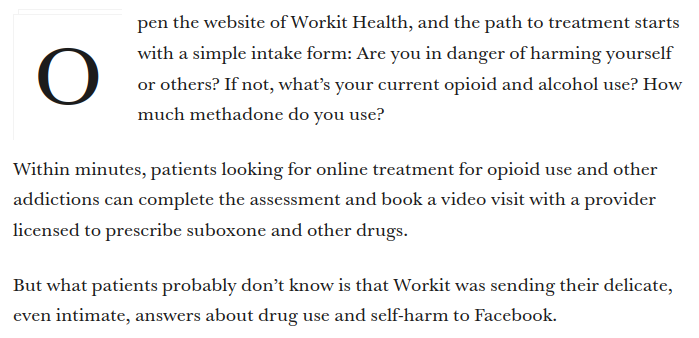
Read the rest if the story at STAT: https://www.statnews.com/2022/12/13/telehealth-facebook-google-tracking-health-data/
An investigation of around 50 telehealth companies shows that their virtual care websites were leaking sensitive medical information they collected to the world’s largest advertising platforms.
Want to support your gut flora? Your intestinal microbiome? Increase your vitamin K2 intake?
Well, besides Asian fermented options, sauerkraut – called “zuurkool” in Dutch – is good too. I grew up with the bagged version with a limited shelf life but you can also get sauerkraut in jars these days. (The version in the jars will likely taste slightly differently.)
In the Netherlands, it’s usually eaten with mashed potatoes and “rookworst”, preferably from HEMA (smoked sausage, typically Dutch). If you can’t get it from HEMA, then use the Unox brand.
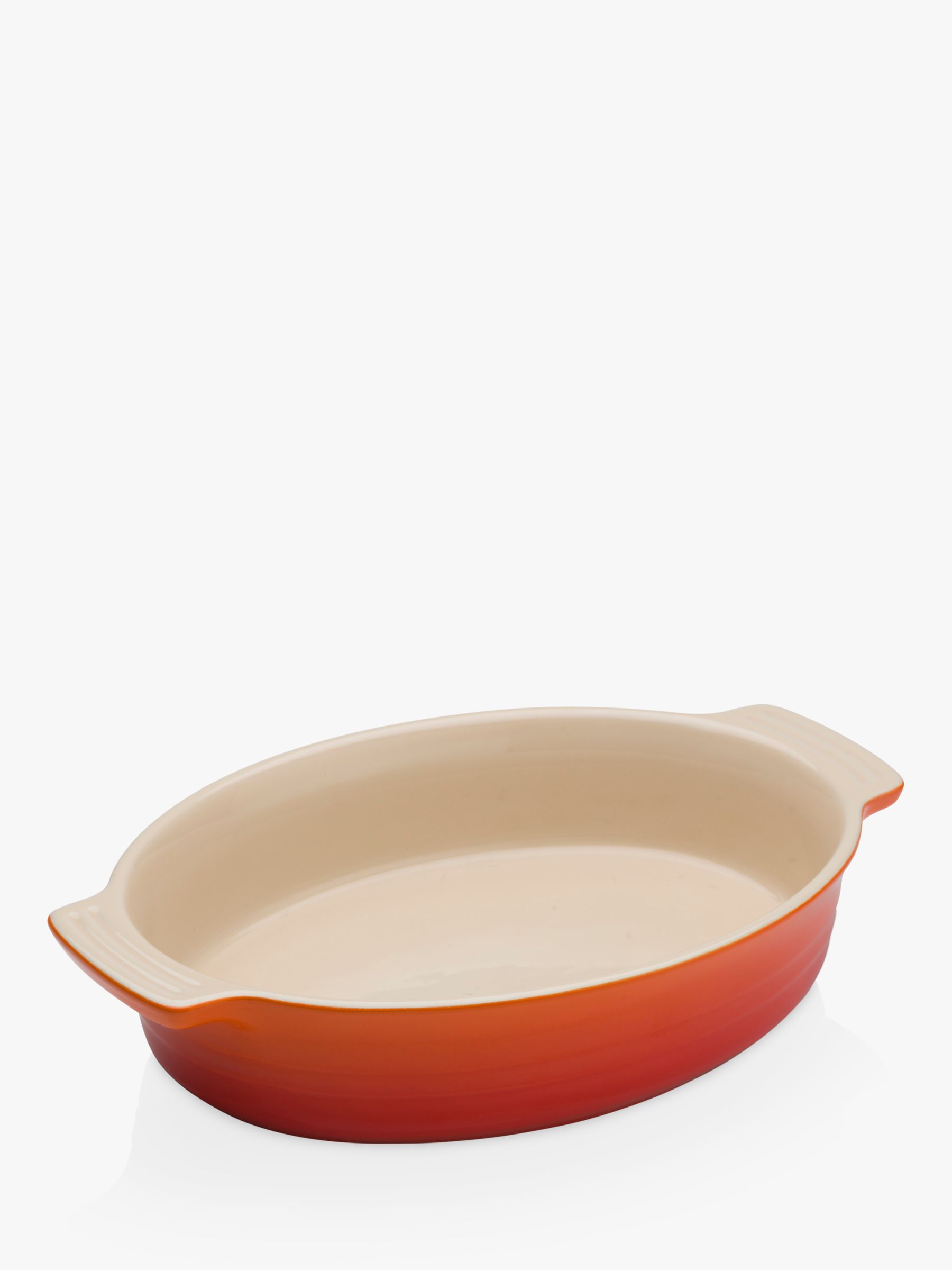
My mother (who passed away in 1975) used to put leftover sauerkraut in a flat oven dish (gratin dish). She would cover it with mashed potatoes, flatten and smooth the mash surface, then use a knife to butter the surface, put “paneermeel” (bread crumbs) on top of that and a few dots of butter on the paneermeel.
I liked it much much better that way as it takes a bit of the tartness out of the sauerkraut no matter how healthy it is.
It’s already “gaar” so you only pop it into the oven to heat it and to make the breadcrumbs brown and crunchy.
Yum! Haven’t had this for decades.
Continue readingReducing the temperature inside the nose by as little as 5 degrees C may reduce your nose’s immune response to bacteria and viruses by nearly 50%
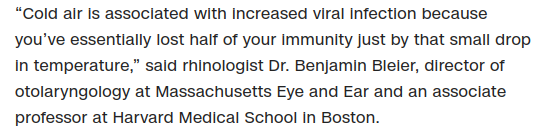
https://edition.cnn.com/2022/12/06/health/why-winter-colds-flu-wellness/index.html
So maybe there was some truth to those old wives’ tales about keeping your head warm in winter after all.
Does noise often wake you?
Put the sound of the surf on repeat. You’ll sleep better. Maybe you’ll even dream that you’re a California surfer or a South Carolina van-lifer or camping on the Isle of Wight or Skye or the Outer Hebrides.
You can use an old phone with decent sound quality as your MP3 player. You can plug the phone into these and then these into this or that, and then this or that into that.
Sound complicated? Sound expensive? Nah. I am am just messin’ with ya. Kinda. But not really.
I’ll give you a download of one hour of surf. Below is the mp3 file (75 MB). You can get the 635 MB wav file from my Google Drive.

This sound file below may help you relax and fall asleep. Use it with headphones or earbuds; it won’t work if you put it on your speakers. (Binaural beats, delta.)

Feel free to share your opinion below, please.