Hi. My main background is in the earth & life sciences, but I now predominantly explore topics in the broad area of bioethics. That's about equality, fairness, justice, diversity and inclusivity. It's also about people's biases, the associated otherization and everything that this can result in. That includes poverty, homelessness, poor health, shabby looks, shrinking personal bubbles, exposure to chemical and noise pollution and lots more. It's also about law, philosophy, speciesism, science & technology, forensic psychology, politics and public policy (governance). Diversity and inclusivity are much bigger challenges than I used to believe. I for example now think that society's lack of genuine acceptance and support for people whose brains work very differently can among other things result in destructive behaviours for which the forensic psychology term is sadistic stalking or resentful stalking.
For some unfathomable reason, the economic calendar sometimes gives me the wrong times. I sometimes get the wrong number of hours versus UTC.
As I also need to keep the difference with the US in mind and not every release happens at the same time, and daylight savings time doesn’t run synchronously either and I am in two different timezone countries, certainly in my head, I don’t always notice it when this happens.
Today, it happened again, apparently, or maybe this time it was me who got the time wrong. (Probably! Mea culpa.) (Update: Nope, a day or so later I once again noticed that the time of the calendar was off again. After I left Portsmouth, I would still often remain on UK time. When I contacted someone about this, the time started changing 1 hour in the other direction (for Letland).
Today’s data releases (Jolts etc) tripped me up.
It cost me about 7 bucks. Could be worse.
(Ehm, did it? Not necessarily. I closed a short at a loss of 7, but had intended to. It was a trade that I was unable to close yesterday when I wanted to, a pending trade that I should have deleted before it kicked in. I have a long running that I would have closed today, if I had been appropriately alert, but that’s actually all right for now. The day ain’t over yet, anyway.)
I found myself thinking “what’s that rate waiting for, why’s it hovering, stalling? The data aren’t coming in yet, after all.”
Focus…
What can I say? I’m human. My back is troubling me. It’s distracting. I’m focusing on ibuprofen. My circumstances are crappy, too. I do what I can. I’m still ahead. Mistakes are part of it.
Logic says that if lots of people expect something to go up, then they will start buying, with the plan to cash out later when the something goes up. That then drives up its price in advance.
Sometimes that is clearly the case.
However, you can also see this happening when something is expected to go down. Then the price gets jacked up so that the shorts when the thing that is expected to go down goes down – in this case, the US dollar – are able to make a lot more money.
We’ll see which is which. Will I have the patience?
Complication: Trump has ended traditional bullish/bearish predictions for the dollar, but old habits die hard and this is not global but US. (His tariff circus kicked the dollar off its throne as a safe currency, but there’s been some rebound.) The yields story isn’t what it used to be either, relative to the dollar.
(I understand that yields v inflation is what’s currently driving the gold price. Feels like bad news for the dollar to me, but I don’t know much at all about this stuff and that is an understatement.)
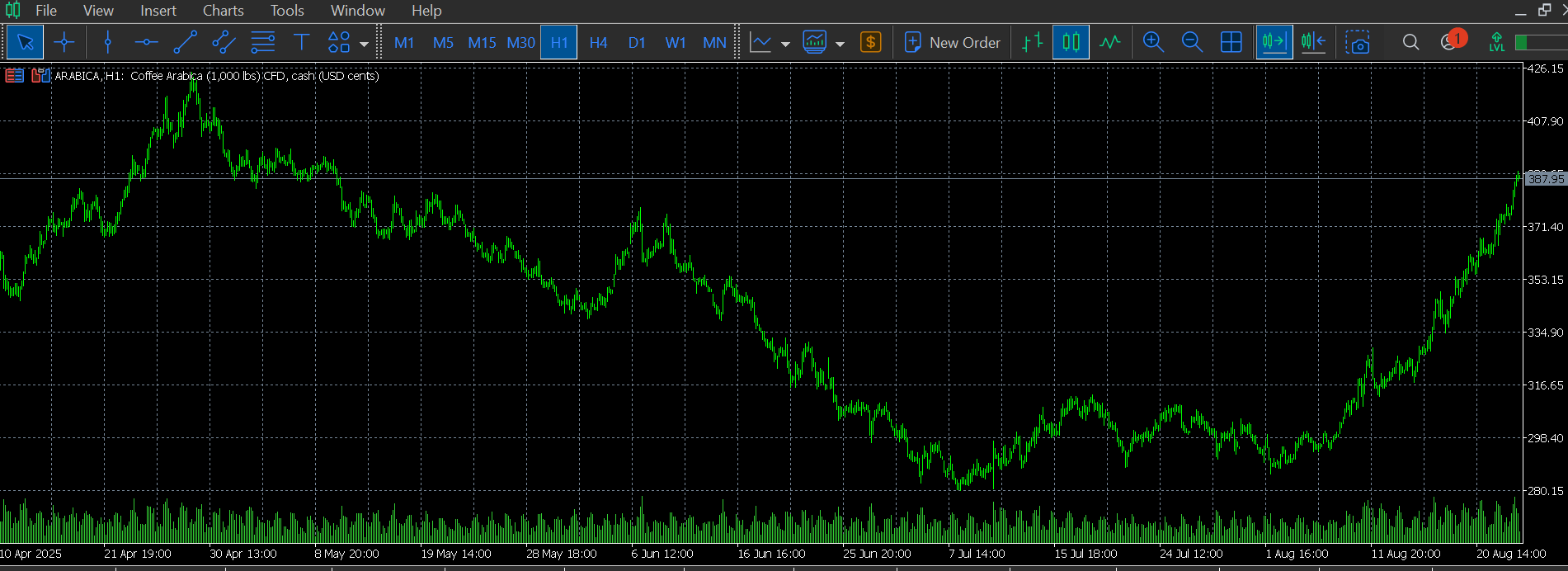
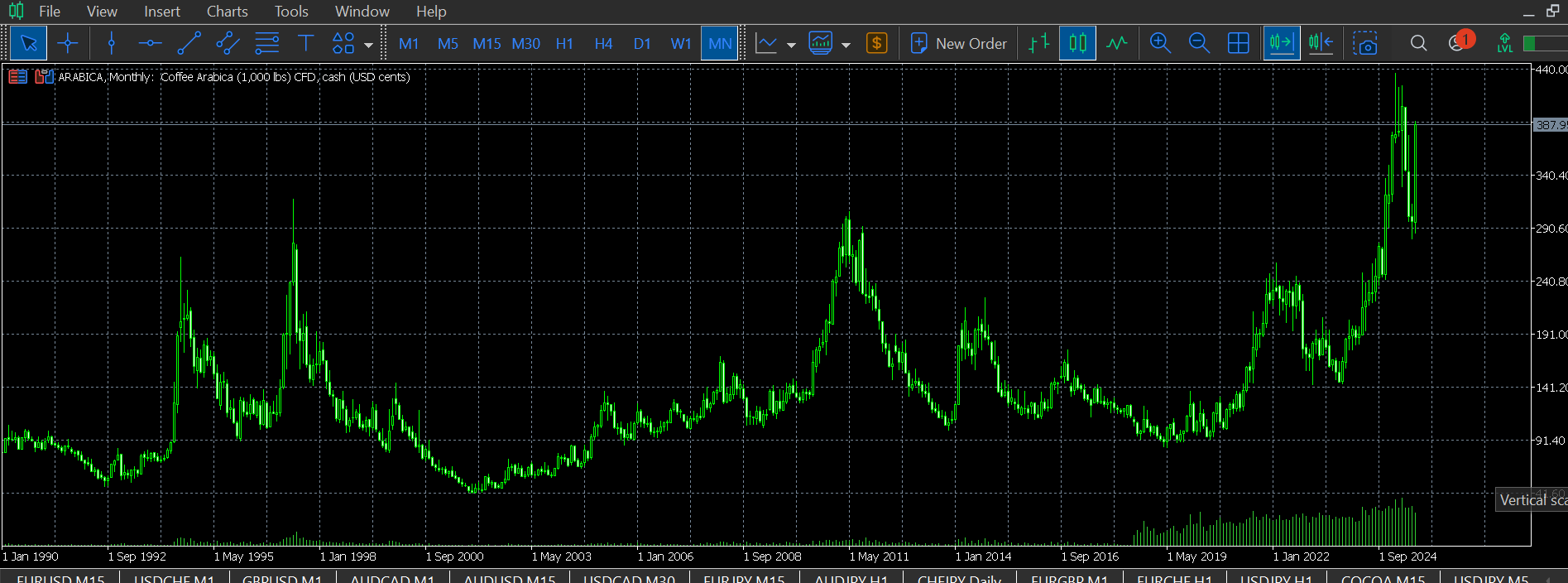
Arabica, 10 April until todayArabica, 1 January 1990 until today (Do you see the effect of the pandemic, when global shipping ground to a halt and prices went up, then came down again? At the time, people were constantly looking which ports had containers stuck in them and which countries that grow coffee had ports from which shipping was still happening.)
Efforts are on the way to create lab-grown coffee. I’ll see if I can find the news about that; I was into coffee futures for a while, but have lost track as my current circumstances are too limiting. The same goes for pharmaceutical developments etc. I can’t do my due diligence, so to speak. My research. Keep up with developments. Keep notes. Be on top of things. (I have to be free from stupid-people crap, too. It’s why they have special tracks for F1 races and don’t hold them or kart races or horse races in the middle of Paris or London. No interference from other people’s cars and bicycles.)
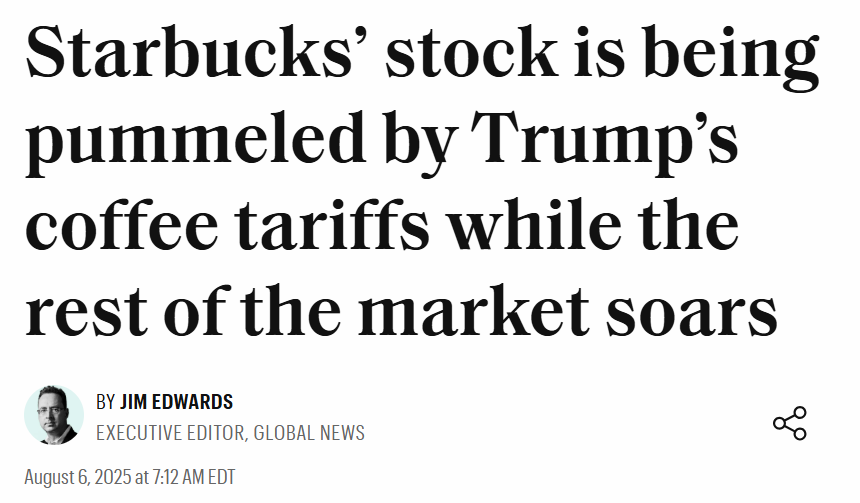
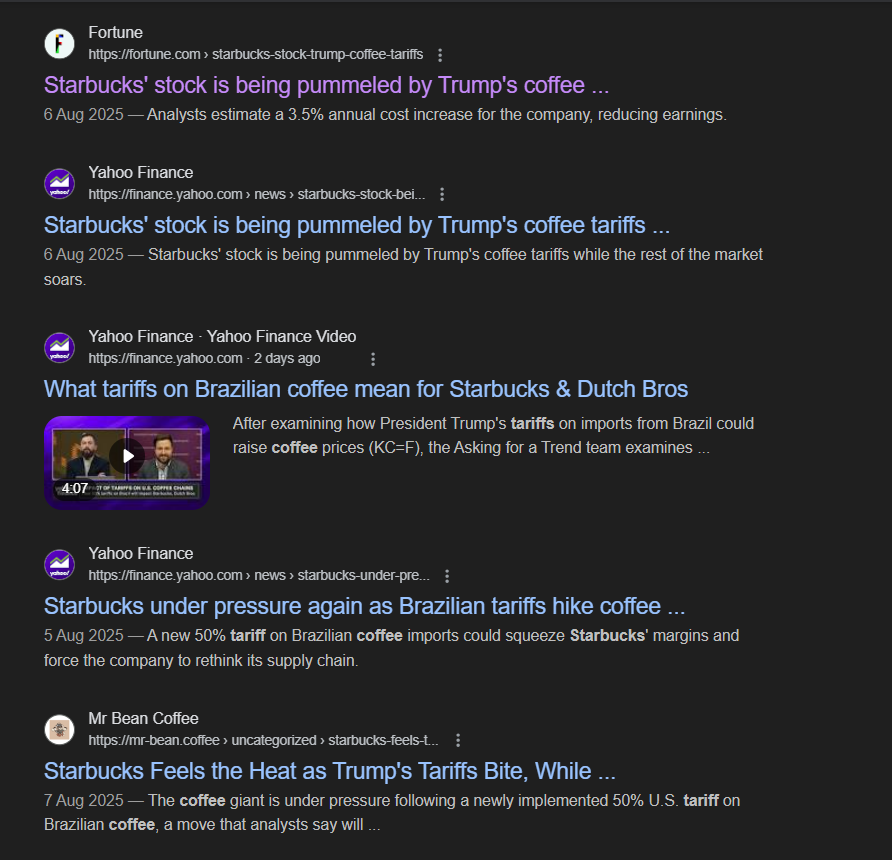
Coffee prices can go down, then, for other parts of the world. So Luckin may get lucky (but I assume that Starbucks in China is not going to be hit by Trump’s tariffs).
Luckin was the very first stock CFD that I traded. I had no idea what I was doing, what was happening The bookkeeping scandal had just hit and the price was all over the place for a while. I kinda liked Luckin but then it went OTC (delisted in the US, at NASDAQ). Some companies have it, some don’t.
What can I say? I’m a coffee junkie… I like dealing with things that I have some affinity with (and preferrably also sufficient knowledge about). I like checking the international news first thing in the morning, too, so that is no added burden either.
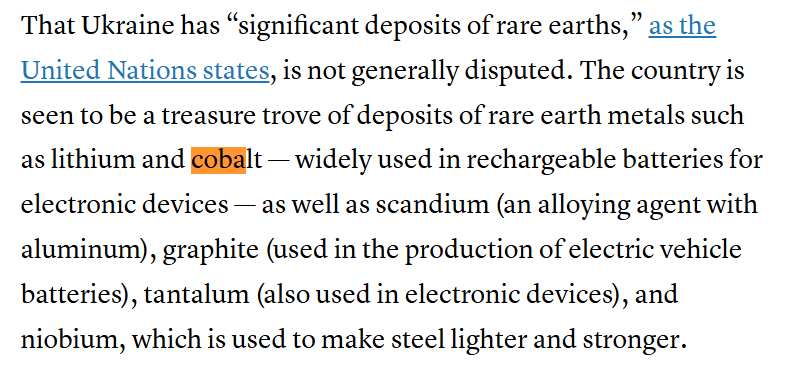
Lithium, cobalt, niobium, graphite etc are not “rare earth metals”, however, and this is why the China angle remains so important. China has the monopoly on extracting rare earth elements (processing the ore and separating the elements) which is hard.
“In 2022, the Russian-language service of UN News reported that Ukraine’s deposits of rare earths accounted for approximately 5% of the world’s reserves. These materials are key in the production of devices for the development of “green” energy. These include lithium, cobalt, scandium, graphite, tantalum, and niobium.”
What the author may have meant was that lithium etc are also of strategic importance. That is correct.
The UN report also called nickel and graphite a rare earth element.
Nickel is a base metal.
Graphite is the stuff in your regular pencils or the stuff that some people use to grease locks and what not. It’s carbon. Specifically, graphite is carbon in a layered crystal structure with electrons hovering between and able to move within a layer – and layers able to slip past each other – but not across it. I’m saying this off the top of my head. (A different crystal structure for carbon but that only develops under great pressure? Diamonds.)
A little bit later in the same CNBC article, CNBC’s Holly Ellyatt correctly writes:
“There’s been a lot of buzz about Ukraine’s rare earth minerals, but the country does not in fact have large quantities of rare earth elements, according to experts at the Atlantic Council.”
“What it has instead is significant reserves of titanium, graphite, and lithium, which are foundational resources for the U.S. defense industry and wider high-tech economy,” Reed Blakemore, director of research and programs at the Atlantic Council’s Global Energy Center, commented online Wednesday.”
For those who don’t know that: I’ve done quite a bit of rare earth element (REE) research, within a scientific context. I’ve also extracted and separated REEs in a clean lab, over two sets of ion chromatography columns (Chelex 100 column and AG50W-X8- cation exchange column).
I’m not a specialist in these matters, by no means, but I am used to processing and analysing data (numbers) and there was a recent discrepancy between ADP and NFP that I could not make add up. When I looked at those data in a bit more detail, I remained puzzled. It all struck me as odd.
Something was off.
(It’s possible that the NFP lags the ADP, so that the ADP predicts the future month’s NFP data rather than the same month.)
If I put myself in the shoes of business owners, then with the tariff uncertainties, I would hold off on hiring and replacing staff.
(I might for example have to make the decision to start marketing to a different market segment, and sell less, but at higher prices and with fewer employees.)
12 August, FD: Dabbedoelik
(With regard to USD/JPY, it had already been suggested that the recent blip up could be just a corrective move related to the overcrowding in dollar shorts. Never follow one person’s opinion. Keep everyone’s in mind and observe what happens.)
This morning, Change.org sent me a petition that sounded as no more than an attack on the Portsmouth Lib Dems, but I’ve been in Portsmouth for enough years and in enough contexts to have learned to never take anything at face value there.
The petition was anonymous and contained no links.
As I am currently abroad, I can’t access the planning documents and the report received by Portsmouth City Council (PCC), but at first glance, from what I read on the web here and there, it sounds to me as if PCC made the right decision. If that is the case, however, then they are also being very sloppy in their communications, apparently. It’s ticking people off because they feel that they are being lied to.
Ah, so GVJ is chair of the planning committee these days. (Doesn’t that clash with his friendship with one of Portsmouth’s property owners/developers? I assume he doesn’t have the last word, though.)
I continue to have the impression that this is similar to non-issues that a lot of noise was made about while I was a member of the Portsmouth Environmental Forum (briefly, until it folded), but that PCC is being clumsy in its communications approach. I still can’t tell what exactly is going on.
Pool in Eastney will be demolished.
New facilities will be created at Bransbury Park.
End of discussion?
Did this pool have such a strong community role in Eastney? Is that what the noise is about? It’s been closed for 4 years. There occasionally is an overly strong emphasis on dust-covered history in Portsmouth and that is holding Portsmouth back but PCC is anything but innovative and tends to go for “more development” and for “bland and characterless”. Still, it does a lot better than Southampton.
I haven’t signed the petition yet. It sounds too much like sheer pettiness.
I’ve asked the protesters/petitioners to send me the planning documents and the report(s).
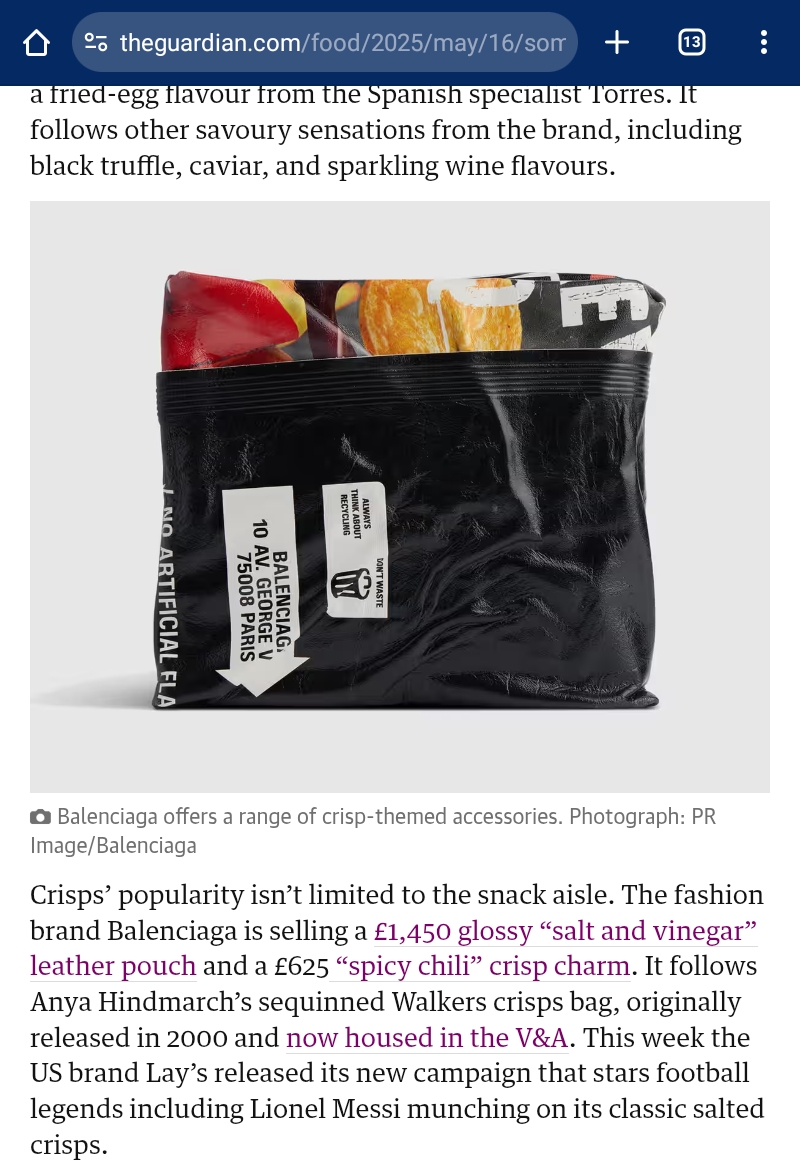
I’d been collecting crisps bags in Portsmouth for the purpose of upcycling them into women’s bags after I noticed how pretty many are. I always had upcycling projects going on there.
Those who know me or follow me closely are probably aware that I still get royalties for work that I did before I moved from Southampton to Portsmouth. This concerns books published by “real publishers”, as opposed to “by myself”. I get royalties over the purchases as well as lending fees (libraries).
(I also occasionally get Amazon royalties and Udemy royalties, but that’s still relatively rare and this is not what I am talking about here.)
Through sheer coincidence, I discovered that e-book versions have meanwhile appeared of many of those works. As I was not aware of their existence up to that point, I hadn’t submitted any of those e-books to the Dutch organization that processes and pays out the royalties for those books.
I’ve recently added them to my portfolio. The related payments slowly started to come in after I did that. I just received three more specifications. Particularly the pandemic seems to have made a difference for e-lending.
There’s one book of which I wrote a small portion and that I haven’t added yet. As I don’t remember having made sure at the time that my contribution was going to be mentioned in the book, I don’t think that trying to submit it to my portfolio is going to be worth my while.
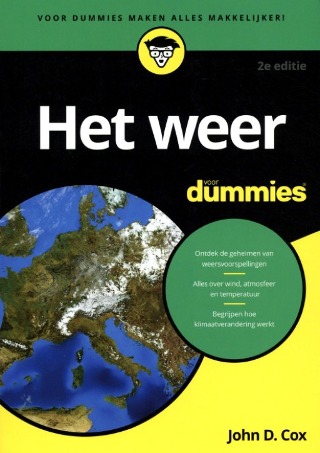
I wrote a small portion of this book (part of a chapter). As I am an earth scientist and meteorology is an earth science – yes, Diana was in my year and was in some of my fieldwork groups – I was qualified to do that.
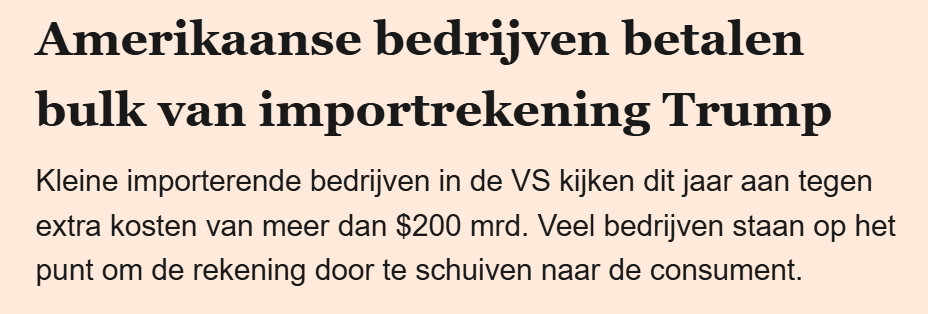
I had spotted these or similar headlines on the CNN website a few days ago and was vaguely surprised. They just popped up again and this time, I paid more attention. Turns out that they’re advertisements.
I have previously reported – looks like hacker is currently in my system while I am typing – that I found that my contact details appeared to have been changed back to what they were 10-15 years ago. E-mail, yes. Phone number, not sure as I was focused on correcting the details asap, but it was an 078 number and I think it ended in 3641 and I think that this could be a number that I used to have.
I needed to change my bank account, which I managed to do. Then HMRC informed me that my bank did not accept direct debits! I checked – they do – but to avoid problems, I then changed it to one of my personal bank accounts.
Shortly after that, someone typed “I was” and “I was” after two things in a list with highlights about me that I was amending on my website, as if to say “you are nothing now.”
HMRC approved my VAT return, but continues to give contradicting amounts.
I just logged in again to see what it says and find to my astonishment “You were previously signed up for Making Tax Digital for VAT.“
I did not do that. I have no outstanding return either.
(I’ve meanwhile rebooted to boot the hacker off my system, hopefully, and be able to type normally.)
That’s because I was going to call HMRC (today, as it happens) with questions I had about this after I looked into it. I found that I couldn’t sign up to it yet. I posted about this on a UK business forum, but received no replies. Is that because that post did not go beyond my hacker’s computer? It’s happened so many times before, this kind of thing, after all. (There was even a time when I discovered that my comments were only visible on my computer, not on my phone, but I currently have no access to uncompromised equipment, thanks to the pandemic.)
I still need to wait a while before I can enquire about the VAT repayment.
I did receive a letter from them reminding me to sign up to MTD as well as two letters that said that my change had been approved, without HMRC stating which change it referred to.
Yesterday, my hacker also interfered on my screen again. I want this destructive monster gone. Out of my life.
The stuff that is going on at the HMRC site is very similar to what went on at the Barclays business banking site a while back.
DEFRA currently has a consultation called “the regulation of genetic technologies”. Post-Brexit adaptations or not? Will we drop the phrase “even if their genetic change(s) could have been produced through traditional breeding” or not?
Post-Brexit, animal welfare protections are being abandoned. We can’t let that continue unbridled. This consultation is not just about animals, however. It is also about agriculture, bacteria and foodstuffs.
It consists of two parts, that is, the actual consultation is Part 1. You can come back to Part 2 later after you’ve completed Part 1. I have been working on Part 1 so far.
When I downloaded the 14-page document that goes with this gene editing consultation, I spotted several problems. There is a pretence of an emphasis on science and there is at least one or one half paragraph that has nothing to do with genetic technologies (obfuscation).
The document starts as follows: “Building back greener is integral to creating a healthier, more resilient world for future generations and the Prime Minister has highlighted the need to take a more scientifically credible approach to regulation to help us meet some of the biggest challenges we face.”
This is the document’s fourth paragraph: “While GE is unlikely to be able to address all these complex challenges, a whole range of innovative approaches could help us make progress over time.These could include increasing agro-ecological approaches for land management, the use of robotics and artificial intelligence, vertical farming, and the development of undervalued protein sources.“
The part in blue has nothing to do with gene editing. So why throw it in? The first sentence seems to suggest that there may not even be a need for gene editing. What is the purpose of this paragraph? To obfuscate?
On page 5 it says: “Our position follows the science, which says that the safety of an organism is dependent on its characteristics and use rather than on how it was produced.”
That, with all due respect, sounds like pretentious nonsense. No references are given, no scientists are mentioned, no agencies or universities are named.
Anyone wishing to take part in this consultation, however, is supposed to provide evidence and literature references and the consultation is clearly not intended to draw the public’s opinion.
Also on page 5 of the consultation document, DEFRA mentions that Japan, Brazil, Australia and Argentina take a different position than the EU and there is the suggestion that the EU’s view is flawed.
“Now the transition period has ended, retained EU law requires that all GE organisms are classified as GMOs irrespective of whether they could be produced by traditional breeding methods. This was confirmed by a Court of Justice of the European Union (CJEU) judgment in 20181. This is not consistent with the position taken by most countries who have reviewed their respective regulations like Argentina, Australia, Brazil and Japan, which have concluded that certain GEOs should not be regulated as GMOs.”
There is also a 2-page Gene Editing Explainer, which tells the public what to think, again without providing any literature references or links.
(Only Rothamsted Research in Hertfordshire is mentioned in it. Wikipedia says: “previously known as the Rothamsted Experimental Station and then the Institute of Arable Crops Research” “one of the oldest agricultural research institutions in the world, having been founded in 1843”. It is located on the campus of “Rothamsted Enterprises”. I assume that it is comparable to some of the departments of Wageningen University and Research. I am unfamiliar with it, had never heard of it before.)
I am a little disgusted with the approach taken by DEFRA here. I have taken part in DEFRA consultations before, when that particular PM mentioned at the start of the document was not PM yet. I may not often agree with DEFRA, but DEFRA’s consultations did not use to annoy me. This one does.
It is a political document, isn’t it?
I may be way off, but I hear the PM’s voice in the background and I sense the assumption that the public at large does not have the capability to understand the science and/or that the public is not well informed enough to be able to contribute to this consultation.
(Note that research in Germany showed that providing more information did not make the public more accepting of the use of genetic technologies; link below. These kinds of studies are not my field of expertise and there may be plenty of studies that found the opposite. But if that were the case, then why did DEFRA provide so little information?)
Below are my two cents, so far. Also biased, namely skewed toward caution, and written off the cuff.
In my opinion, organisms developed using genetic technologies such as gene editing (GE) must continue to be regulated as genetically modified organisms (GMOs) even if their genetic change(s) could have been produced through traditional breeding.
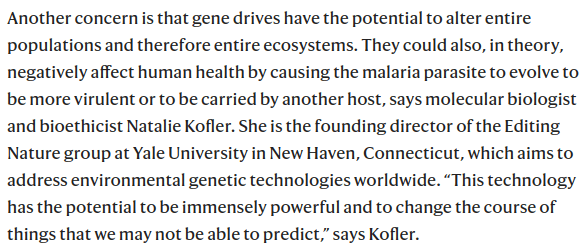
Genetic technologies can have side effects that are not necessarily instantly clear. An example could be that the changes that Dr He introduced in a pair of human twins in China to make them immune to HIV could also have resulted in “off-target” changes and scientists are largely still in the dark about this. (Natural breeding does not have the potential for unintended changes that CRISPR still has.)
The application of genetic technologies may also impact animal welfare differently than when their genetic change(s) are produced through traditional breeding.
Regarding the question as to the risk associated with the application, the problem is that we cannot predict what we don’t know yet.
If you look back into history, you can see that in the past, we’ve often hailed as great progress what we later ended up banning.
We gave a Nobel Prize in medicine for the development of DDT. It almost eradicated the American bald eagle and that is only one aspect of its many side effects. DDT causes nerve damage and affects the hormone-producing systems of many animals, among other things lowering their fertility. In the United States, it was the environmentalist and marine biologist Rachel Carson’s work that eventually led to a ban on DDT and other pesticides.
We didn’t even foresee the blatantly obvious consequences of insecticides, namely that their use would affect pollination as well as bird populations.
Should I mention thalidomide? DES? That ibuprofen may affect male fertility?
Many people are pushing to have other harmful pesticides banned, such as glyphosate and chlorpyrifos. That isn’t because they’re afraid of progress. It’s because these substances are not as harmless as we thought.
When I was still based in the Netherlands and a board member of the Environmental Chemistry (and Toxicology) Section of the Royal Netherlands Chemical Society, our section organised a symposium on brominated flame retardants. They were already being found in tissues of animals in the Arctic. Did we see any of that coming? No, we did not. Subsequently, there was a push to phase them out in favour of others that turned out to have similar problems.
Did we expect to do damage to the ozone layer when we introduced CFCs?
Should I mention PFAS? (You may want to look into the situation in the Netherlands, where PFAS in soil have caused major upheaval because the Dutch want very little of it in their soils and the stuff is everywhere. When permitted levels were lowered, construction ground to a halt all over the country.) But we all thought that non-stick coatings (also called Teflon, PTFE, polytetrafluorethylene etc) were the greatest thing since sliced bread. People with pet birds started noticing disastrous effects. Perfluorooctanoic acid (PFAO), also known as C8, dissolves well in water and does not decay. It is now globally present in the air and in seawater. In the Netherlands, discharges by the Chemours plant in Dordrecht led to increased PFOA concentrations in the Merwede river and in the groundwater along its banks. In the U.S., a former DuPont plant in West Virginia released more than 1.7 million pounds of C8 into the region’s water, soil and air between 1951 and 2003. C8 was phased out after a class-action lawsuit that alleged that it causes cancer. Chemours now makes a new compound called GenX instead, for which safety thresholds have yet to be established. Regular water treatment methods don’t remove it from drinking water. GenX may be safer than C8, but it is also alleged to have caused tumours and reproductive problems in lab animals.
None of what I just wrote has anything to do with the use of genetic technologies. My point is that we never know with 100% certainty that all forms of progress are safe and we have missed the blatantly obvious in the past. This uncertainty also goes for genetic technologies.
I also think that dropping “even if their genetic change(s) could have been produced through traditional breeding” would likely make the regulation harder to apply. It would have companies trying to find all sorts of shortcuts (to “prove” that the effect of the technology they used could also have been produced through natural breeding). It might lead to frustrating discussions and costly legal proceedings. It might even lead to more campaigning, protests, etc.
(I did not look into how Japan, Brazil, Argentina and the United States handle these matters.)
There might well be effects on trade as well. German consumers for example traditionally have put great emphasis on ensuring that their food is as “clean” as possible.
“The consumers who are more accepting of genetic modifications are younger, less educated and less concerned about their nutrition. The average effect of our provided information is negligible. However, the initially less opposed become slightly more opposed. Our results thus do not support the view that a lack of information drives consumer attitudes. Instead, attitudes seem to mostly reflect fundamental preferences.”
Many of the questions and the choices for answers in the DEFRA consultation survey are blatantly biased and it is quite clear that DEFRA would like to see the phrase “even if their genetic change(s) could have been produced through traditional breeding” dropped.
Am I being too critical? I don’t think so.
See also for example these two articles:
https://angelinasouren.com/2018/12/11/an-opinion/ by Cecile Janssens, professor at Emory University. A quote: “Most DNA mutations do nothing else other than cause the disease, but DNA variations may play a role in many diseases and traits. Take variations in the MC1R “red hair” gene, which not only increases the chance that your child will have red hair, but also increases their risk of skin cancer. Or variations in the OCA2 and HERC2 “eye color” genes that are also associated with the risk of various cancers, Parkinson’s and Alzheimer’s disease. To be sure, these are statistical associations, reported in the scientific literature, some may be confirmed; others may not. But the message is clear: Editing DNA variations for “desirable” traits may have adverse consequences, including many that scientists don’t know about yet.“
I expected Part 2 to take as long as Part 1 – I imagine that the start of Part 2 is the point at which many give up – but it did not. And in essence, it was a repeat of Part 1.
Since the start of the first lockdown, the number of internet searches for “workplace bullying” went down. As of about July, the number began to increase again. This indicates that now is a good time to ensure that such practices do not flare up again once the bulk of the pandemic is behind us.
Because workplace bullying is costing businesses a lot of money and not just that, business owners are expected to deal with it. They must look after their employees.
I am aware of two cases in England in which employees were set on fire at work and Landrover / Jaguar has just experienced a landmark case of constructive dismissal to do with workplace bullying.
In the UK, the incidence of workplace bullying is around 30% (2015, Trades Union Congress), with 71% of disabled women reporting some form of abuse and 91% of workers stating that bullying in the workplace wasn’t being dealt with appropriately.
The Chartered Institute of Personnel and Development (HR professionals) found a percentage of 15 for the years 2017, 2018 and 2019 yet added that more than half did not report bullying.
Most bullying at work in the UK appears to take place in London and the southeast.
Most bullying is carried out by someone higher in the hierarchy.
In a study by Kew Law (employment law), 71% of the employees at 131 companies in the UK stated that they had either been bullied or witnessed bullying.
Are you sticking your head in the sand over it, ostrich-style?
Workplace bullying. Don’t pretend it isn’t happening when you know it is.
In the UK, the incidence of workplace bullying is around 30% (2015, Trades Union Congress), with 71% of disabled women reporting some form of abuse and 91% of workers stating that bullying in the workplace wasn’t being dealt with appropriately.
The Chartered Institute of Personnel and Development (HR professionals) found a percentage of 15 for the years 2017, 2018 and 2019 yet added that more than half did not report bullying.
In a study by Kew Law (employment law), 71% of the employees at 131 companies in the UK stated that they had either been bullied or witnessed bullying.
Workplace bullying is very costly. Are you sticking your head in the sand over it, conveniently closing your eyes? Well then, with most staff still working from home, NOW may be the perfect time to wake up and address it. Workplace bullying. Don’t pretend it isn’t happening.